
Beautiful Plants For Your Interior
Beautiful Plants For Your Interior
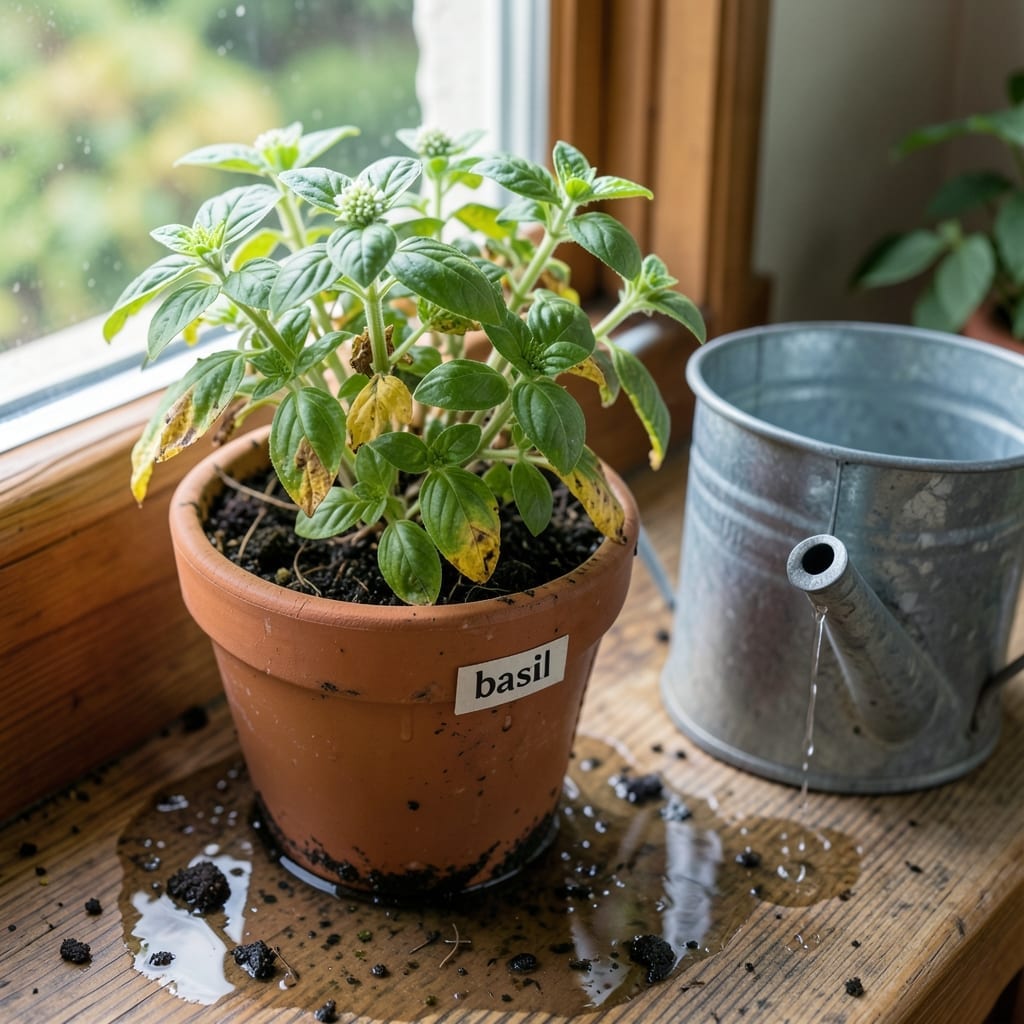
Yellowing leaves and soggy stems spelled disaster for my basil last week. 🌱 I caught it just in time—overwatering is the silent killer that turns thriving plants into wilting disasters overnight.
Here’s the thing—basil needs consistent moisture, not a swamp. The roots suffocate when they can’t breathe, and the plant starts drowning from the bottom up. I’ve rescued more than a few by adjusting my approach.
You’ll see improvement within 3-5 days once you fix the drainage and let the soil dry slightly between waterings. The leaves perk up, the stems firm up, and that fresh basil scent returns.
Works for potted plants, garden beds, or any struggling basil that’s seen better days. Spot the signs early, and you can turn it around.
Overwatering basil is often a well-intentioned mistake, but it disrupts the plant’s natural balance. Here’s why it happens:
Basil thrives in moist but not soggy soil. Frequent watering—especially without checking soil moisture—leads to waterlogged roots. The plant’s roots need oxygen to respire, and saturated soil suffocates them, halting nutrient uptake. Actionable fix: Stick your finger 1-2 inches into the soil; water only if it feels dry.
Pots without drainage holes or dense, compacted soil trap water at the roots. This creates a stagnant environment where Pythium and other root-rot fungi thrive. Basil in such conditions can’t expel excess water, leading to yellowing leaves and stunted growth. Actionable fix: Use containers with drainage holes and a well-aerated potting mix (e.g., perlite or sand blended in).
High humidity or cool temperatures slow evaporation, meaning soil stays wet longer. Basil in low-light areas (e.g., indoor windowsills with limited sun) also uses less water, increasing the risk of overwatering. Actionable fix: Place basil in bright, indirect light and adjust watering based on environmental conditions.
Large pots hold more soil, which retains moisture longer. A small basil plant in an oversized container struggles to absorb all the water, leading to root asphyxiation. Actionable fix: Start with a pot just slightly larger than the root ball (6-8 inches in diameter for mature plants).
Reviving your wilting basil starts with correcting its watering routine. Here’s how to address each issue and prevent future overwatering:
Trim away any yellow or soft leaves with clean scissors to prevent rot from spreading. Repot the plant in fresh, well-draining soil and a container with drainage holes. Hold off on watering for a few days—let the soil dry slightly between waterings.
Prevention tip: 💡 Water only when the top inch of soil feels dry to the touch.
Gently remove the plant from its pot and inspect the roots. Healthy roots are white and firm; rotten roots are brown and mushy. Trim off any affected roots, then repot in sterilized soil. Avoid watering for 5–7 days to let the roots recover.
Prevention tip: ✨ Use a pot with drainage holes and a saucer to catch excess water—empty it after each watering.
If the soil feels soggy, stop watering immediately. Move the pot to a sunny, well-ventilated spot to help the soil dry faster. Consider adding perlite or coarse sand to improve drainage.
Prevention tip: 🎯 Use a moisture meter to monitor soil conditions before watering.
This often signals oxygen starvation in the roots. Loosen the soil gently with a fork to improve aeration. If the pot lacks drainage, transfer the basil to a better-suited container immediately.
Prevention tip: 🌡️ Basil thrives in warm, not soggy, conditions—water deeply but infrequently.
Water when the top 1-2 inches of soil feels dry. In hot weather, this may mean watering every 2-3 days, but always check the soil first. Basil prefers consistent moisture, not soggy conditions.
Yes, if caught early. Trim off brown, mushy roots and repot in fresh, well-draining soil. Avoid watering for 5-7 days to let the roots recover.
Yellow leaves often signal overwatering. Check the soil—if it’s soggy, stop watering and move the pot to a sunny spot to dry out. Remove affected leaves to prevent rot from spreading.
Use a container with drainage holes and a diameter of 6-8 inches. Terra cotta pots are ideal as they allow soil to dry faster, reducing the risk of overwatering.