
Beautiful Plants For Your Interior
Beautiful Plants For Your Interior
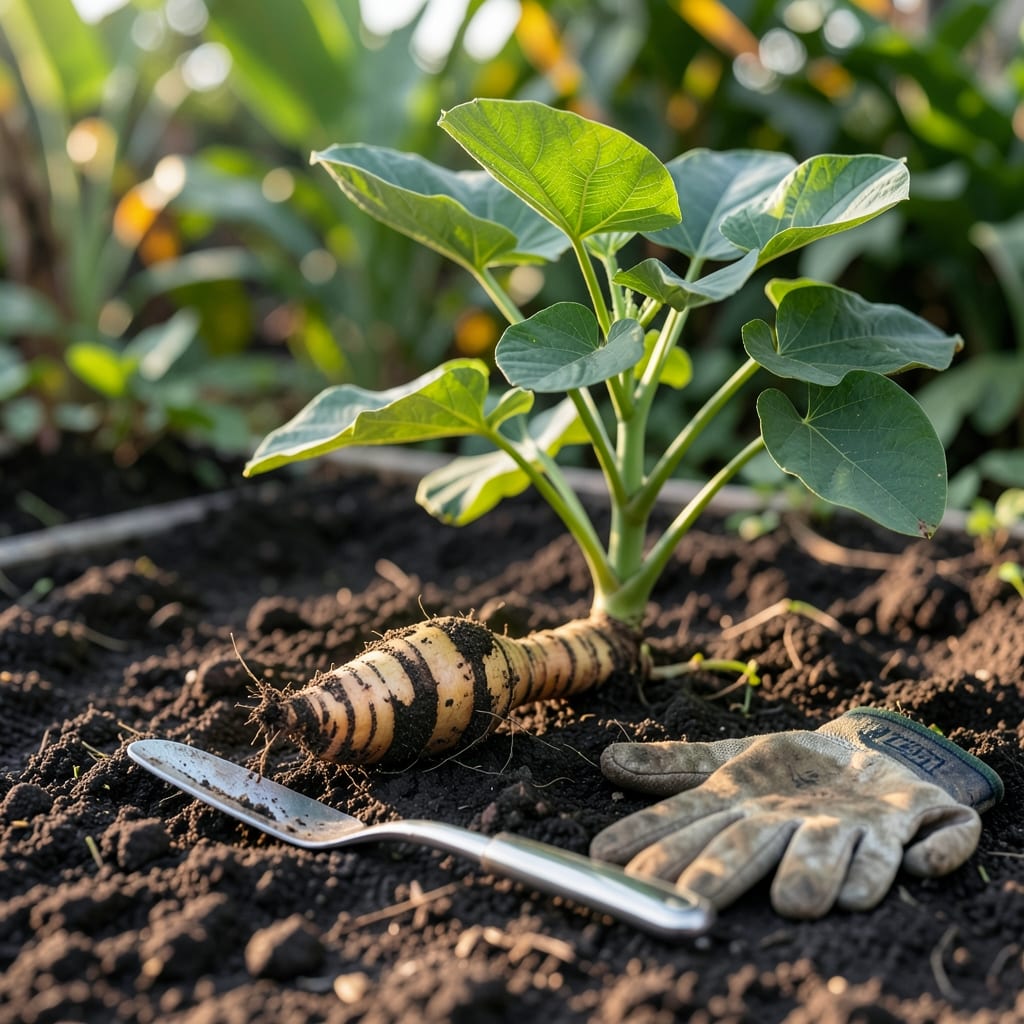
I started growing turmeric on a whim after seeing its golden roots at the farmers market. Now my patio pots produce enough for fresh tea and cooking whenever I want.
This plant thrives with basic care—warmth, consistent moisture, and well-draining soil. You’ll harvest bright orange roots in 8-10 months, with each clump multiplying yearly for bigger yields.
📚 In This Guide
This method delivers consistent results, even for first-time growers in varied climates.
Begin with organic turmeric rhizomes that show visible buds or “eyes” (the small nubs where shoots emerge). I prefer fresh rhizomes from a trusted nursery over grocery store purchases, as the latter may be treated to inhibit sprouting. Soak the pieces in lukewarm water overnight to hydrate and encourage faster root development.
Cut larger rhizomes into 2-3 inch segments, ensuring each has at least 2-3 buds. Allow the cut surfaces to dry for 24-48 hours before planting—this callousing prevents rot. You’ll notice the buds plump slightly during soaking, a sign they’re ready for soil.
Turmeric thrives in well-draining, loamy soil with a pH of 5.5-6.5. I amend garden beds with 50% compost to improve fertility and drainage. For containers, use a 12-16 inch deep pot with multiple drainage holes—shallow containers restrict rhizome growth.
Fill the container or bed with your prepared mix, leaving 1 inch below the rim. Turmeric prefers warm soil (above 65°F), so if planting in early spring, use a heat mat or wait until temperatures rise consistently.
Plant rhizome segments 2 inches deep with buds facing upward, spacing them 6-8 inches apart in rows 12 inches apart. Cover lightly with soil and water until the top 1-2 inches feel evenly moist. Avoid waterlogging—soggy soil causes rhizomes to rot before sprouting.
Place in partial shade to full sun, but shield from harsh afternoon rays in hotter climates. You’ll see shoots emerge in 2-4 weeks; until then, keep the soil consistently warm and damp. I check daily for the first signs of green—once sprouts appear, reduce watering slightly to prevent fungal issues.
Water when the top inch of soil feels dry, aiming for 1 inch of water weekly in the absence of rain. Turmeric is drought-tolerant but produces larger rhizomes with steady moisture. Feed with a balanced organic fertilizer every 4-6 weeks during active growth.
Mulch with 2-3 inches of organic matter to retain moisture and suppress weeds. Watch for yellowing leaves, which often signal overwatering or nutrient deficiencies. In containers, move pots to a sheltered spot if temperatures drop below 50°F—turmeric halts growth in cooler conditions.
Turmeric matures in 8-10 months, with leaves yellowing and drying as a harvest cue. Dig carefully with a fork to avoid damaging the rhizomes. Shake off excess soil and rinse gently under cool water if needed. Cure in a warm, well-ventilated area (70-80°F) for 1-2 weeks to dry the outer skin.
Store cured rhizomes in a cool, dark place or freeze for long-term use. For fresh turmeric, peel and use immediately—the flavor peaks right after harvest. I always save a few healthy rhizomes for replanting the next season.
Small adjustments in preparation and care can significantly improve your harvest success.
Rhizome Preparation: The 24-48 hour drying period for cut rhizome surfaces is non-negotiable. I learned this after losing an entire first batch to rot—calloused surfaces create a protective barrier against soil-borne moisture that would otherwise cause decay before sprouting begins.
Soil Temperature: Turmeric’s preference for soil above 65°F means early spring planting often fails without supplemental warmth. I use a seedling heat mat under containers until outdoor temperatures consistently stay above this threshold, which prevents the stalled growth I experienced my first season.
Sprouting Timeline: Those 2-4 weeks of waiting for shoots to emerge test patience. Confession: I nearly dug up my first planting at day 10. Now I know the buds plump during the overnight soak, and maintaining consistently warm, damp soil (not soggy) is what finally produces those first green shoots.
Harvest Curing: The 1-2 week curing period at 70-80°F transforms fresh rhizomes from perishable to storage-ready. I cure mine on a mesh screen in my sunroom, where good airflow prevents mold while the warmth dries the outer skin to the perfect leathery texture.
Organic turmeric root typically takes 8–10 months to mature from planting. In warmer climates, it may grow faster. Patience is key, as the rhizomes need time to develop fully underground.
Yes! Use a large pot (12+ inches deep) with well-draining soil. Place it in a sunny spot or under grow lights. Keep the soil warm (70–85°F) and consistently moist for best results.
Watch for leaf blight, root rot, or pests like aphids and spider mites. Prevent issues with good airflow, organic neem oil, and avoiding overwatering. Healthy soil boosts plant resistance!
Fresh organic turmeric root offers better flavor and potency, but powder works in a pinch for cooking. For medicinal uses, fresh root is preferred due to its higher curcumin content.
Yellow leaves often signal overwatering, poor drainage, or nutrient deficiencies. Check soil moisture and ensure your pot has drainage holes. Adjust care as needed to revive your plant.