
Beautiful Plants For Your Interior
Beautiful Plants For Your Interior
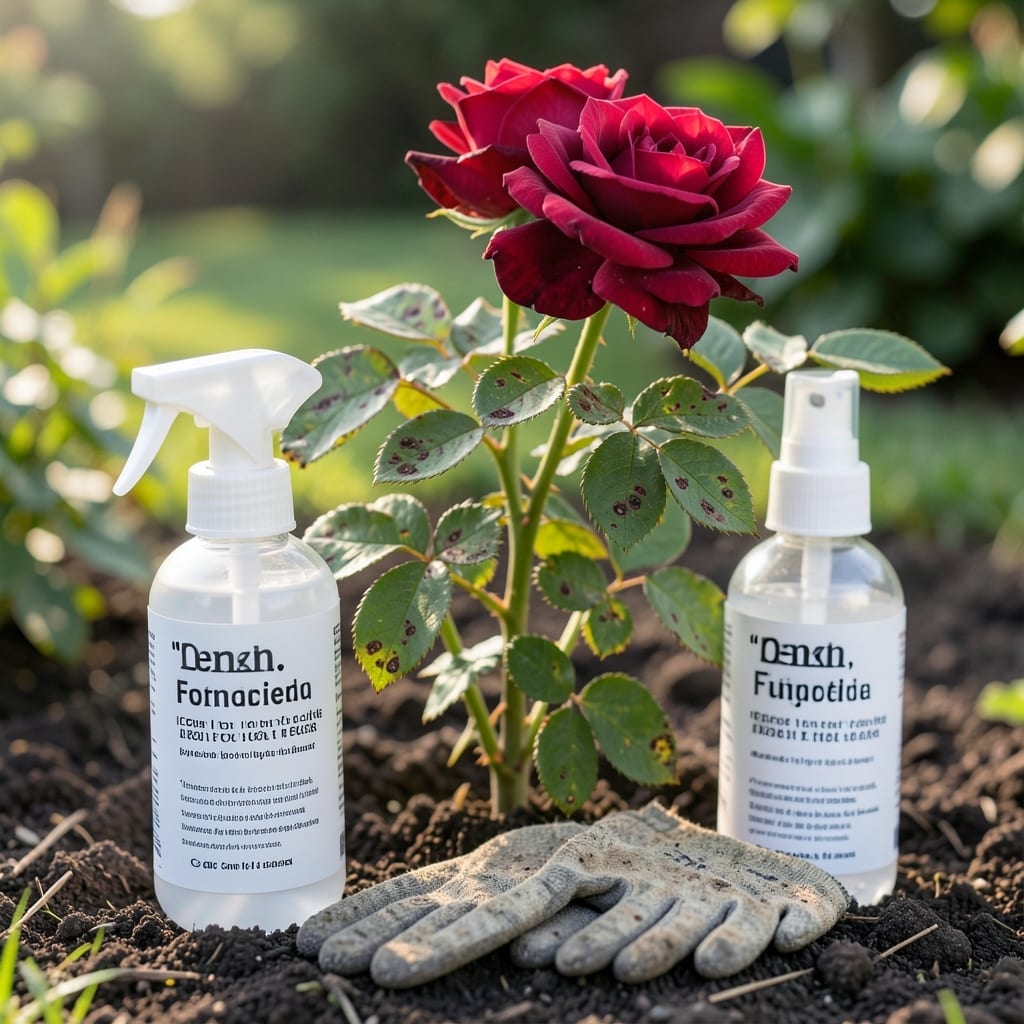
Black spots on your rose leaves aren’t just ugly—they’re a warning sign. I’ve lost entire bushes to fungal infections before learning how to stop them naturally.
Organic fungicides work because they prevent spores from taking hold, rather than just masking symptoms. The best part? You can make effective treatments from ingredients you already have at home.
Your roses will bounce back with healthier foliage and more vibrant blooms within 2-3 weeks of consistent treatment. No harsh chemicals, just natural protection.
Works for black spot, powdery mildew, and rust. Here’s exactly what to use and when to apply it.
Roses are susceptible to fungal diseases due to a combination of environmental, biological, and cultural factors. Understanding these causes helps you prevent issues before they start—and target solutions like organic fungicides more effectively.
Fungi thrive in damp, stagnant conditions. Overhead watering, high humidity, or crowded plantings create the perfect breeding ground for spores. When rose leaves stay wet for extended periods (especially overnight), pathogens like Diplocarpon rosae (black spot) or Sphaerotheca pannosa (powdery mildew) take hold. Action: Water at the base of plants early in the day and prune for better airflow.
Stressed roses—whether from nutrient deficiencies, drought, or root damage—produce fewer natural defenses. Fungi exploit these vulnerabilities, spreading rapidly through compromised tissues. A lack of silica (which strengthens cell walls) or excessive nitrogen (promoting soft, fungus-prone growth) can also tip the scales in favor of infection. Action: Use balanced organic fertilizers and mulch to support resilience.
Fungal spores linger in soil, on pruning shears, or even in fallen leaves. Phytophthora and Verticillium wilt, for example, persist in infected soil for years. Reusing dirty tools or failing to remove diseased debris reintroduces pathogens to healthy plants. Action: Sterilize tools with rubbing alcohol and remove all infected plant material promptly.
Cool, wet springs and mild autumns are prime times for fungal outbreaks. Powdery mildew favors warm days and cool nights, while black spot spreads aggressively in temperatures between 65–75°F with high humidity. Sudden weather changes can also stress roses, lowering their resistance. Action: Monitor forecasts and apply organic preventatives (like neem oil or baking soda sprays) during high-risk periods.
Fungal problems in roses can often be resolved with simple, natural solutions. Below are targeted fixes for common fungal causes, along with prevention tips to keep your roses thriving.
Fix: Spray affected leaves with a mixture of 1 tablespoon baking soda, 1 teaspoon liquid soap, and 1 gallon of water. Apply weekly or after rain. Neem oil (diluted as directed) also works well as a preventive and curative treatment.
Prevention: Improve air circulation by pruning dense foliage. Water at the base to keep leaves dry, and avoid overhead watering in the evening.
Fix: Remove and destroy infected leaves to prevent spread. Apply a compost tea or sulfur-based spray (available in organic garden stores) every 7–10 days until the issue clears.
Prevention: Keep the garden clean—remove fallen leaves and debris where spores can overwinter. Choose resistant rose varieties like ‘Knock Out’ or ‘Double Delight’.
Fix: Prune and dispose of rust-infected stems and leaves. Treat with copper fungicide (organic-approved) or a garlic-infused spray (blend 2 bulbs of garlic with 1 quart of water, strain, and add a drop of soap).
Prevention: Avoid wetting foliage. Space plants properly to reduce humidity, and apply a thin layer of mulch to prevent soil-borne spores from splashing onto leaves.
Pro Tip 💡: Always apply organic fungicides in the early morning or late afternoon to avoid leaf burn from the sun. Consistency is key—stick to a schedule for the best results!
Apply every 7-10 days during active fungal outbreaks. For prevention, use treatments every 2-3 weeks during wet seasons or when you notice early signs. Consistency is key to keeping spores from spreading.
Yes! Baking soda, neem oil, and garlic are highly effective. Mix 1 tablespoon baking soda with 1 gallon of water and a drop of soap for a simple spray. These are safe and often just as powerful as store-bought options.
Early morning or late afternoon is ideal. This prevents leaf burn from the sun and gives the treatment time to dry. Avoid spraying in direct sunlight or during the hottest part of the day.
Fungi can persist in soil or on tools. Always remove infected leaves, sterilize pruners, and improve airflow. If the problem continues, rotate treatments to prevent resistance.