
Beautiful Plants For Your Interior
Beautiful Plants For Your Interior
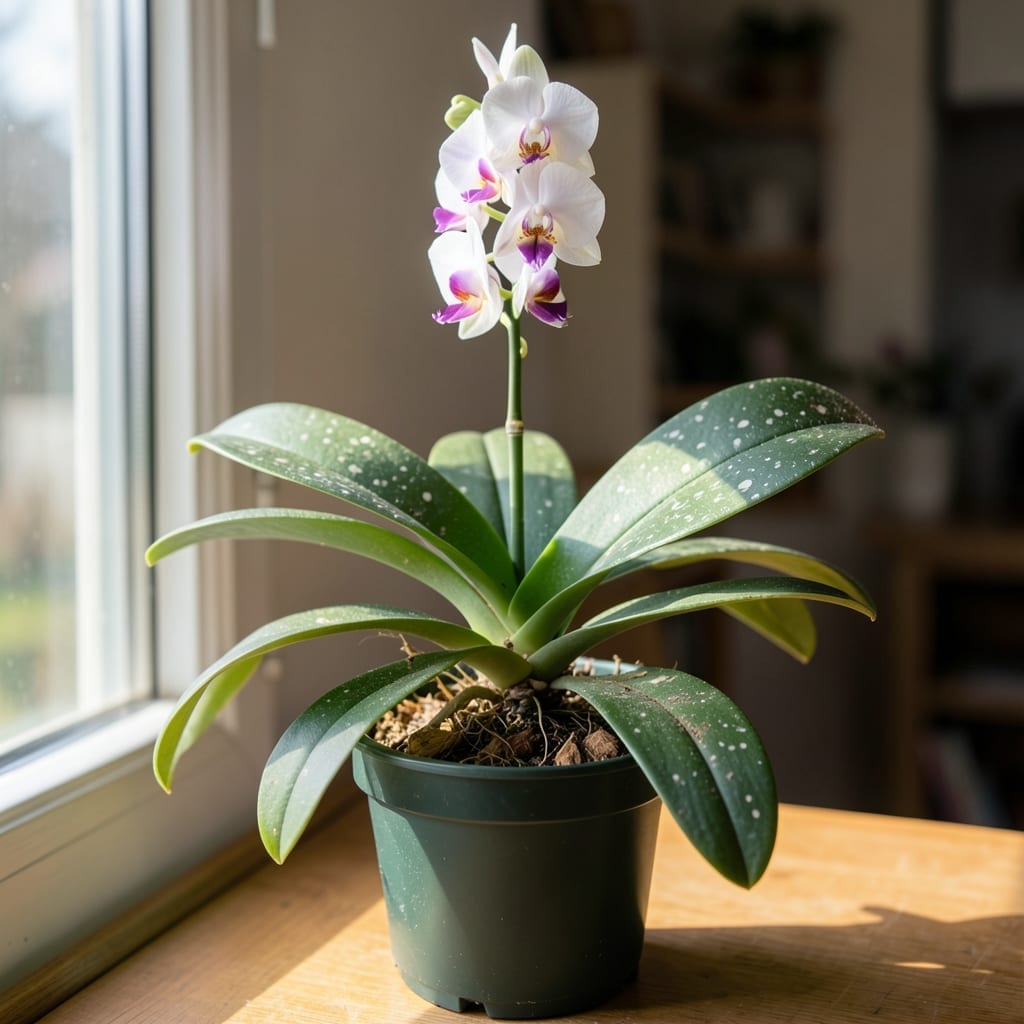
White spots on orchid leaves ruined my confidence last winter. Turns out, it’s usually one of three culprits: pests, fungal infections, or hard water residue. Each leaves a distinct pattern if you look closely.
I learned the hard way that mealybugs create cottony clusters while fungal spots spread in rings. Hard water leaves chalky deposits that wipe off easily. The fix starts with proper identification—no guesswork allowed.
Once you know what you’re dealing with, solutions range from a simple wipe-down to targeted sprays. My orchids recovered within 2-3 weeks of consistent treatment, and new growth came in clean.
Prevention beats cure every time. Better air circulation and distilled water for misting stopped the problem from returning. Here’s how to diagnose and fix yours.
White spots on orchid leaves often signal underlying issues that disrupt the plant’s health. Below are the most common causes, explained with actionable insights to help you diagnose and address the problem.
Fungi like Powdery Mildew or Botrytis thrive in humid, poorly ventilated environments. These pathogens form white, powdery, or fuzzy spots on leaves as they colonize the surface. Overwatering or high humidity without airflow accelerates their growth. To confirm, check for a musty odor or spreading patches.
Common orchid pests such as mealybugs, scale insects, or spider mites leave white residues or cottony clusters on leaves. Mealybugs, for instance, secrete a waxy white substance as they feed on sap. Inspect the undersides of leaves and leaf axils for tiny, mobile pests or sticky honeydew.
If your orchid is watered with hard tap water, minerals like calcium and magnesium can accumulate on leaves, forming chalky white spots. These deposits are typically dry to the touch and appear on the upper leaf surface. Unlike fungal or pest-related spots, they don’t spread or change texture over time.
Direct sunlight or extreme heat can scorch orchid leaves, creating bleached white or yellowish patches. Unlike fungal spots, these are often irregular in shape and appear on the most exposed parts of the plant. Orchids prefer bright, indirect light, and prolonged exposure to intense light can damage their delicate tissues.
Overuse of fertilizers, pesticides, or foliar sprays can leave white, crusty residues on leaves. This is especially common if products aren’t properly diluted or rinsed off. Check for a uniform, powdery layer that can be wiped away with a damp cloth.
Addressing white spots on orchid leaves starts with identifying the cause. Below are targeted solutions for each common issue, along with prevention tips to keep your plants thriving.
If the spots are fuzzy or spreading, a fungal issue is likely. Remove affected leaves with sterilized scissors, then apply a copper-based fungicide or a natural option like neem oil. Spray the entire plant, including the undersides of leaves, and repeat every 7–10 days until the spots disappear.
Prevention: Improve airflow around your orchid, avoid overhead watering, and ensure the potting mix drains well. Water in the morning so leaves dry quickly.
For pests like mealybugs or spider mites, isolate the orchid immediately. Wipe leaves with a soapy water solution (1 tsp mild soap per liter of water) or use insecticidal soap. For stubborn infestations, apply neem oil or a systemic insecticide. Repeat treatments weekly until pests are gone.
Prevention: Inspect new plants before bringing them near others. Maintain humidity levels between 40–70% and keep the growing area clean.
If hard water is the culprit, flush the potting mix with distilled or rainwater to remove mineral deposits. Wipe leaves gently with a damp cloth to clean off residue. Switch to filtered or low-mineral water for future waterings.
Prevention: Use room-temperature, soft water for orchids. If tap water is your only option, let it sit out for 24 hours before using to allow some minerals to settle.
Move the orchid to a spot with bright, indirect light. If direct sun is unavoidable, use a sheer curtain to diffuse the light. Trim severely damaged leaves to help the plant focus on new, healthy growth.
Prevention: Rotate your orchid occasionally for even light exposure, and avoid placing it near south- or west-facing windows without protection.
By tackling the root cause and following these steps, your orchid can recover its lush, spot-free foliage. Stay consistent with care, and your plant will thank you with vibrant blooms! 🌸
Yes, if caused by fungus or pests. Fungal spores and pests move between leaves. Isolate affected plants and treat immediately to prevent spreading.
Pests leave cottony clusters or sticky residue. Fungal spots often have fuzzy edges or rings. Use a magnifying glass to check for tiny bugs or webbing.
Only if the cause is mineral deposits. Use distilled water and a soft cloth. For fungus or pests, wiping alone won’t solve the problem.