
Beautiful Plants For Your Interior
Beautiful Plants For Your Interior
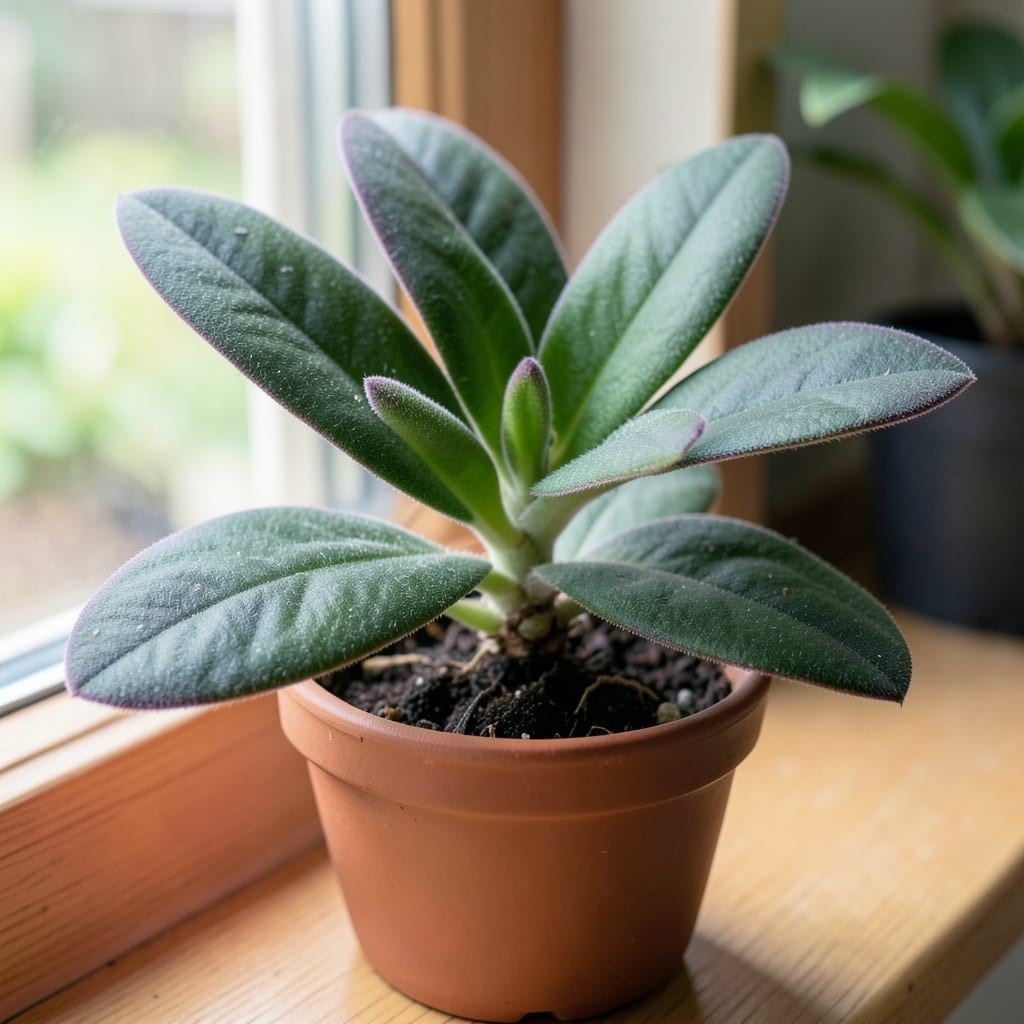
Red leaves on your jewel orchid aren’t a death sentence. I’ve seen this happen with my own plants, and it’s usually a sign of stress—not a lost cause.
Most often, it’s about light exposure. Too much direct sun can scorch those gorgeous leaves, while too little leaves them weak. The soil pH matters too—orchids prefer slightly acidic conditions, and anything off-balance affects nutrient uptake.
With a few adjustments to placement and soil, you can reverse the reddening. I fixed mine in 2-3 weeks by moving plants to bright, indirect light and checking the soil mix.
The key is acting fast. Once you spot the color change, your orchid’s telling you it needs help. Let’s get it back to its vibrant green best.
Jewel orchids (Ludisia discolor) develop red leaves due to environmental stress or physiological responses. Below are the primary causes, explained with actionable insights.
Direct sunlight triggers a photoprotective response, where the plant produces anthocyanins—red pigments that shield cells from UV damage. Jewel orchids thrive in low to medium indirect light (500–1,000 foot-candles). Move your plant to a shadier spot if leaves turn red and feel leathery or crisp.
Cold drafts (below 60°F/15°C) or heat stress (above 85°F/29°C) disrupt chlorophyll production, revealing red undertones. These orchids prefer stable temps between 65–80°F (18–27°C). Avoid placing them near vents, radiators, or icy windows.
A phosphorus deficiency can cause reddening as the plant struggles to synthesize chlorophyll. Use a balanced, diluted orchid fertilizer (e.g., 20-20-20 at ¼ strength) monthly during growing season. Flush the soil with water every 2–3 months to prevent salt buildup.
Jewel orchids favor slightly acidic to neutral pH (5.5–7.0). Alkaline soil (pH > 7.5) locks out iron and magnesium, leading to chlorosis (yellowing) with red hues. Test soil pH and amend with peat moss or sulfur if needed.
If your jewel orchid’s leaves are turning red, act fast to restore its health. Below are targeted fixes for the most common causes, along with prevention tips to keep your plant thriving.
Move your orchid to a spot with bright, indirect light. East-facing windows or a few feet away from a south/west window are ideal. If natural light is too intense, use a sheer curtain to filter it. Prevention tip: 💡 Rotate the plant weekly to ensure even light exposure and avoid sunburn.
Keep your jewel orchid in a stable environment between 65–80°F (18–27°C). Avoid drafts from vents, heaters, or AC units. If temperatures drop at night, move the plant to a warmer room. Prevention tip: 🌡️ Use a small indoor thermometer to monitor conditions around your plant.
Jewel orchids prefer 50–70% humidity. Use a humidity tray or a small humidifier nearby. If overwatering is the issue, let the top inch of soil dry out between waterings and ensure the pot has drainage holes. Prevention tip: ✨ Water only when the soil feels slightly dry—stick your finger in to check!
Test your soil’s pH with a kit (aim for 5.5–6.5). If it’s too acidic or alkaline, repot the orchid in a well-draining mix made for orchids. Add a bit of perlite or bark to improve aeration. Prevention tip: 🎯 Repot every 1–2 years to refresh the soil and prevent buildup of minerals from tap water.
No, it’s often reversible with proper care. Move your plant to indirect light and stabilize conditions. New growth should return to green within 2-3 weeks.
Yes, dry air stresses the plant. Aim for 50-70% humidity. A pebble tray or humidifier nearby can help restore healthy color.
Only if they’re damaged or dried out. Healthy red leaves may recover, so wait and monitor. Trim with clean scissors if they don’t improve after 4 weeks.
Test every 3-6 months, or if you notice persistent color issues. Use a simple pH kit and adjust with peat moss or sulfur if needed.