
Beautiful Plants For Your Interior
Beautiful Plants For Your Interior
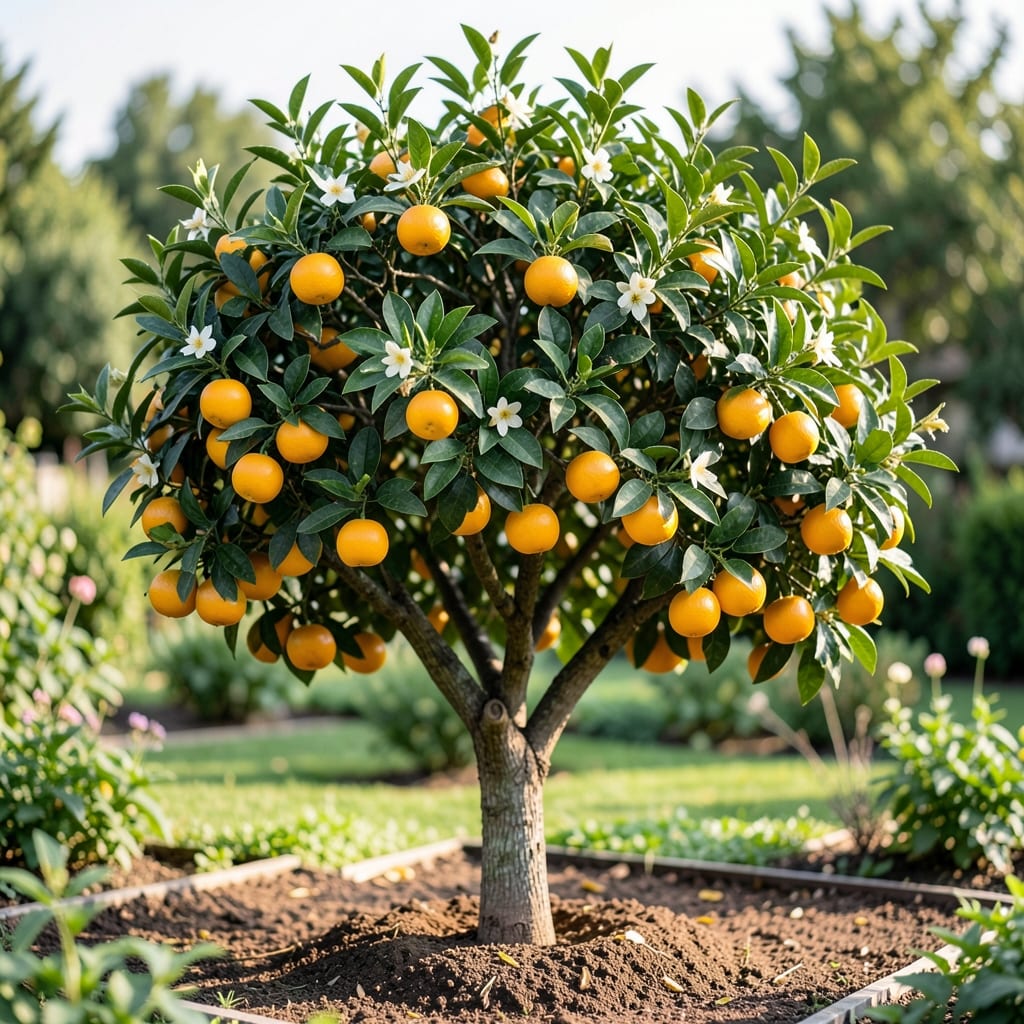
Sun-kissed and sweet, these squash varieties light up any garden plot. I’ve grown orange yellow squash for years, and nothing beats their bright, cheerful presence come harvest time.
They thrive in full sun with well-draining soil, and a little compost at planting time gives them a strong start. Water consistently at the base to avoid wetting the leaves, which can invite disease.
Within 50-60 days, you’ll have tender, flavorful squash ready to pick. Harvest when the skin is firm but still shiny—wait too long, and they’ll turn tough and seedy.
Great for small gardens, containers, or large plots. The plants are prolific, so a few will feed a family all season.
The vibrant orange-yellow hue in squash is primarily influenced by genetic, environmental, and nutritional factors. Here’s a breakdown of the key causes:
Certain squash varieties, like butternut or carnival, are naturally bred to develop orange or yellow pigments as they mature. These colors come from carotenoids—compounds like beta-carotene (orange) and lutein (yellow)—which are genetically programmed into the plant’s DNA. If your squash turns orange-yellow, it may simply be expressing its inherited traits.
Sunlight triggers carotenoid production in squash. More direct sunlight often intensifies the orange and yellow pigments, while shaded areas may remain paler. This is why squash grown in full sun tend to have richer, more vibrant colors compared to those in partial shade.
Cooler temperatures can slow down chlorophyll breakdown, while warmer conditions accelerate the conversion of chlorophyll to carotenoids. This shift reveals the underlying orange and yellow hues as the green fades. Sudden temperature changes may also stress the plant, leading to uneven color development.
Soil nutrients play a role in pigment formation. A deficiency in nitrogen can reduce chlorophyll, making orange and yellow tones more visible. Conversely, an excess of phosphorus or potassium may enhance carotenoid production, deepening the color.
Growing vibrant orange-yellow squash can sometimes hit a snag, but most problems have simple fixes. Below are practical solutions to the most common issues, paired with prevention tips to keep your harvest thriving.
If your squash leaves turn yellow, it’s often a sign of nitrogen deficiency. Work a balanced fertilizer (10-10-10) into the soil around the base, or side-dress with compost. Water deeply afterward to help absorption. Prevention tip: Test soil before planting and amend with organic matter to ensure rich nutrients from the start.
Squash bugs and vine borers love these plants. Handpick pests early in the morning when they’re sluggish, or use row covers to block access. For vine borers, wrap stems in aluminum foil at the base to deter egg-laying. Prevention tip: Rotate crops yearly and remove plant debris after harvest to disrupt pest life cycles.
Wilting often signals underwatering or root rot from overwatering. Check soil moisture 1-2 inches deep—it should feel like a damp sponge. Water deeply 1-2 times weekly (more in heatwaves) at the base, not the leaves. Prevention tip: Mulch with straw to retain moisture and prevent fungal splash-back.
No squash forming? Hand-pollinate by transferring pollen from male to female flowers with a small brush. Encourage bees by planting pollinator-friendly flowers nearby. Prevention tip: Avoid pesticides that harm bees, and plant in sunny, sheltered spots to attract them naturally.
💡 Pro Tip: Healthy squash plants start with consistent care. Monitor leaves, water, and pests weekly to catch issues early!
Most varieties mature in 50-60 days from planting. Harvest when the skin is firm and shiny for the best texture and flavor.
Use well-draining, nutrient-rich soil with a pH of 6.0-7.5. Mix in compost before planting for healthier growth.
Wilting often means underwatering or overwatering. Check soil moisture 1-2 inches deep—it should feel damp but not soggy.
Yes! Choose a container at least 5 gallons with drainage holes. Dwarf varieties work best for small spaces.