
Beautiful Plants For Your Interior
Beautiful Plants For Your Interior
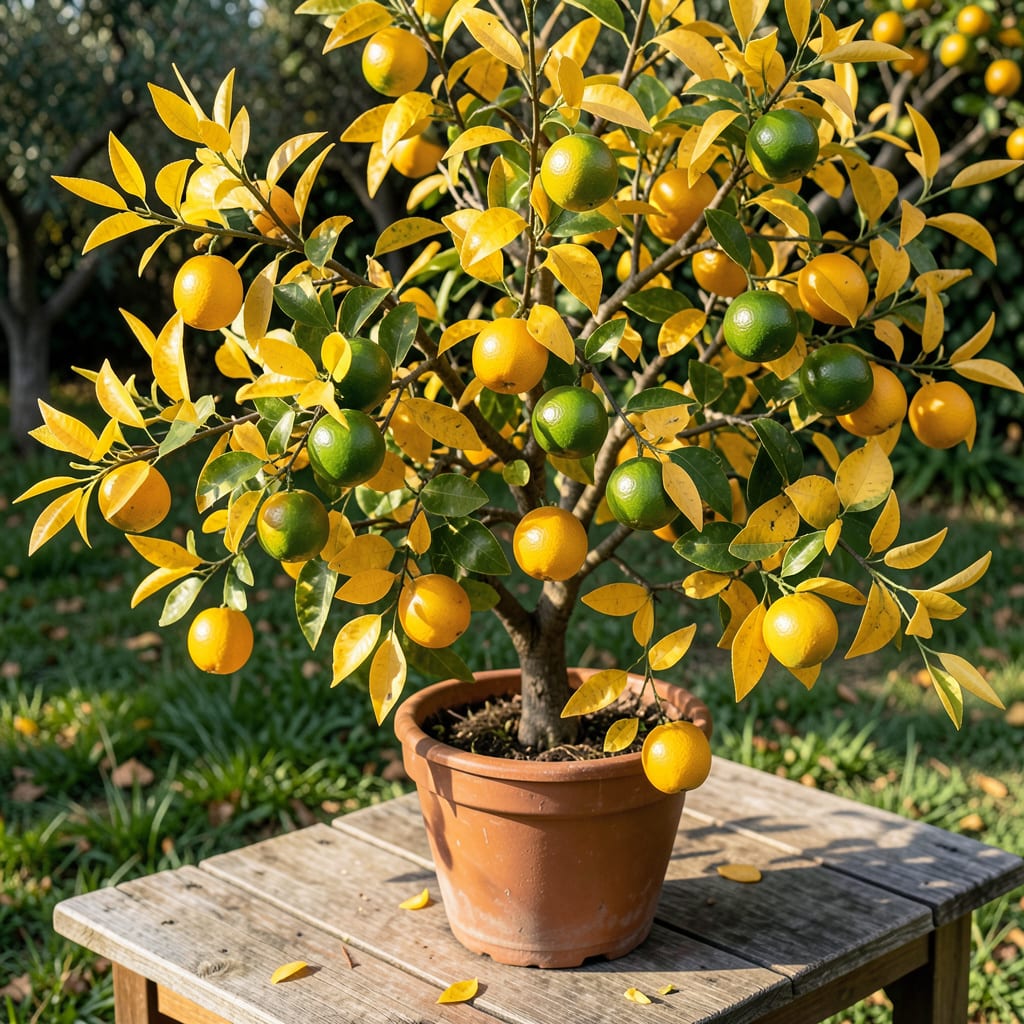
Yellow leaves on an orange tree don’t mean it’s dying—just that it’s trying to tell you something. I’ve saved more than a few citrus trees by learning to read these signs early.
Most often, it’s a simple fix: too much water, not enough nitrogen, or soil that’s too alkaline. The pattern of yellowing—whether it’s between veins, on older leaves, or across new growth—points to the real culprit.
With the right adjustment, you’ll see vibrant green return within 2-3 weeks. The tree bounces back faster than you’d expect, especially once you match the solution to the symptom.
Works for potted trees, backyard orchards, or even that neglected plant you inherited from a neighbor.
When your orange tree’s leaves turn yellow, it’s often a cry for help. Here’s why it happens, broken down by the most common causes:
Yellowing leaves often signal a lack of essential nutrients. Nitrogen deficiency causes uniform yellowing, starting with older leaves. Iron or magnesium shortages lead to interveinal chlorosis—yellowing between the veins—while potassium deficiency may cause yellow edges. A soil test can pinpoint the exact deficiency, allowing you to amend with the right fertilizer (e.g., chelated iron for iron deficiency).
Both overwatering and underwatering can stress the tree. Overwatering suffocates roots, reducing their ability to absorb nutrients, while underwatering leads to drought stress. Check soil moisture 2–3 inches deep: it should be damp but not soggy. Adjust irrigation to maintain consistent moisture, especially during dry spells.
Pests like spider mites, aphids, or citrus leafminers sap nutrients from leaves, causing yellowing. Diseases such as citrus greening (HLB) or root rot (from Phytophthora) also disrupt nutrient flow. Inspect leaves for pests or unusual patterns (e.g., mottling for HLB). Treat with horticultural oil or fungicides as needed.
Extreme temperatures, poor drainage, or compacted soil can stress the tree. Cold snaps may trigger yellowing, while heat stress accelerates water loss. Ensure the tree is planted in well-draining soil and protected from temperature extremes with mulch or shade cloth.
Here’s how to tackle yellowing leaves on your orange tree, cause by cause, with actionable fixes and prevention tips to keep your tree thriving. 🌿
Fix: Test your soil (a DIY kit works) to identify missing nutrients. For nitrogen deficiency, apply a balanced citrus fertilizer (10-10-10) or blood meal. For iron or magnesium shortages, use chelated iron or Epsom salt (1 tbsp/gallon of water) as a foliar spray. Water deeply after applying.
Prevent: Fertilize every 4-6 weeks during growing season. Mulch with compost to slowly enrich soil. 💡 Pro tip: Avoid over-fertilizing—it can burn roots!
Fix: Let the top 2 inches of soil dry out between waterings. If roots are soggy, improve drainage by amending soil with sand or perlite. For potted trees, ensure pots have drainage holes.
Prevent: Water only when needed (stick your finger in the soil!). Use a moisture meter for precision. ⏰ Morning watering reduces evaporation and fungal risks.
Fix: Spray leaves with neem oil or insecticidal soap to combat aphids, mites, or scale. For severe cases, introduce beneficial insects like ladybugs. Prune heavily infested branches.
Prevent: Inspect leaves weekly for pests. Keep the area weed-free and encourage biodiversity to deter outbreaks. 🎯 Target the undersides of leaves—pests love hiding there!
Fix: Shield trees from extreme heat with shade cloth. In cold climates, move potted trees indoors or use frost blankets. If sunlight is lacking, prune nearby plants to improve exposure.
Prevent: Plant in a spot with 6-8 hours of sunlight. Acclimate trees gradually to temperature changes. ✨ Consistency is key!
Check the soil 2-3 inches deep. If it’s soggy, you’re overwatering; if bone dry, it needs more water. Overwatered leaves often turn yellow and feel limp, while underwatered leaves may be dry and crisp.
This is classic interveinal chlorosis, usually from iron or magnesium deficiency. A foliar spray of chelated iron or Epsom salt (1 tablespoon per gallon) can quickly correct this.
Once leaves turn completely yellow, they typically won’t recover. Focus on fixing the underlying issue—new growth should emerge green within 2-3 weeks.
Apply a quick-release nitrogen source like blood meal or fish emulsion. For immediate uptake, use a liquid fertilizer with a high nitrogen ratio (20-10-10). Results appear in 1-2 weeks.
