
Beautiful Plants For Your Interior
Beautiful Plants For Your Interior
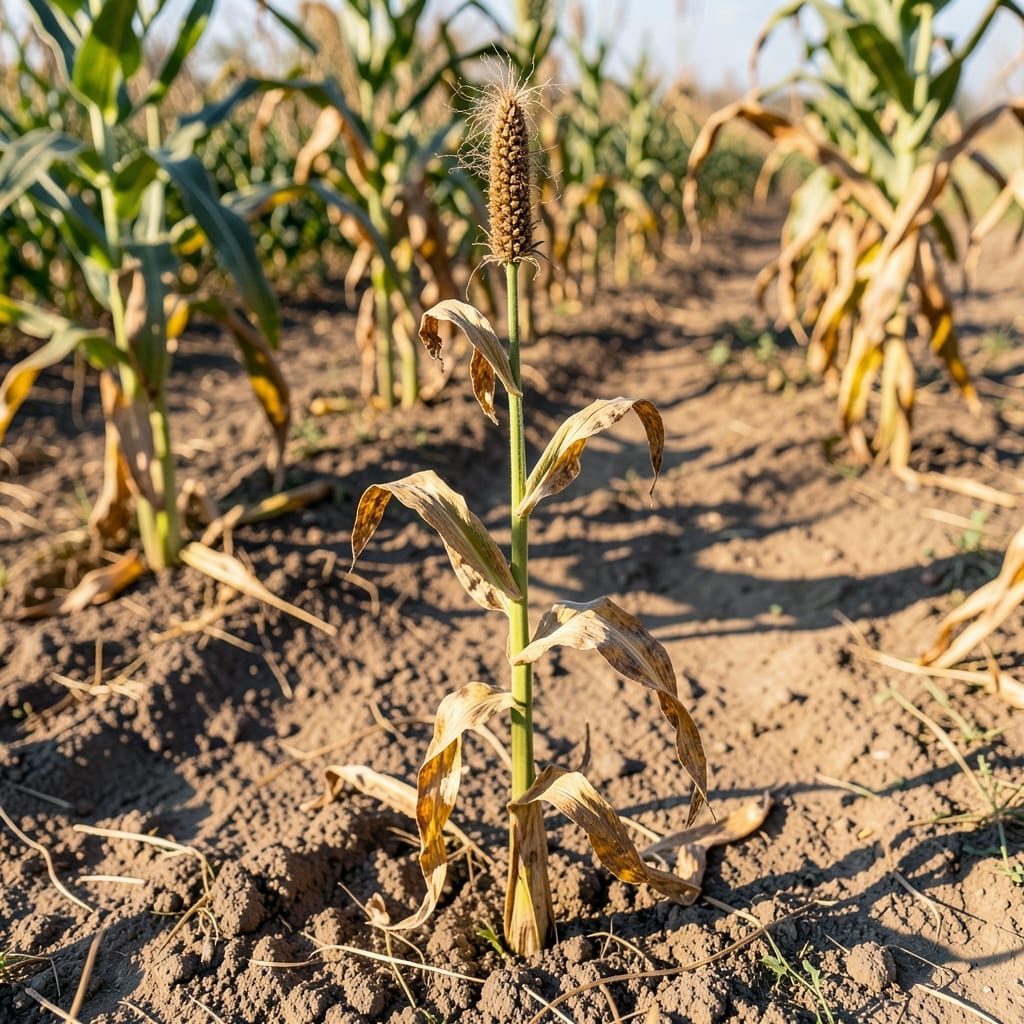
Yellowing leaves on your corn plants last week had me scrambling through my garden journal. Nutrient deficiencies show up fast in corn, and catching them early saves the season.
I learned the hard way that pale green or purple streaks aren’t just cosmetic—they’re your plants crying for specific nutrients. The good news is quick fixes exist once you know what’s missing.
You’ll spot the telltale signs before permanent damage sets in. From nitrogen to zinc, each deficiency has its own signature look, and matching symptoms to solutions is simpler than it seems.
Works for backyard plots, raised beds, or community gardens. Here’s the diagnosis guide.
Nutrient deficiency in corn plants often stems from several underlying factors. Understanding these causes helps in implementing targeted solutions.
Soils lacking essential minerals or with improper pH levels (typically below 5.5 or above 7.5) restrict nutrient uptake. Sandy or highly leached soils lose nutrients faster, while compacted soils limit root access to available nutrients.
Overwatering can leach nutrients like nitrogen and potassium from the root zone, while underwatering prevents roots from absorbing dissolved nutrients. Inconsistent moisture levels disrupt nutrient mobility in the soil.
Excessive application of one nutrient (e.g., nitrogen) can block the uptake of others (e.g., phosphorus or micronutrients like zinc). For example, high phosphorus levels may induce zinc deficiency even if zinc is present in the soil.
Soils low in organic matter struggle to retain and release nutrients efficiently. Decomposing organic material (e.g., compost or manure) improves soil structure and enhances nutrient availability for corn plants.
Beneficial microbes break down organic matter into plant-available nutrients. Overuse of chemical fertilizers or pesticides can harm these microbes, reducing nutrient cycling and leading to deficiencies.
Addressing nutrient deficiencies in corn plants starts with identifying the specific lack and applying targeted solutions. Below are practical fixes for common deficiencies, paired with prevention tips to keep your crop thriving.
Yellowing lower leaves and stunted growth signal a nitrogen shortage. Fix it by applying a nitrogen-rich fertilizer like urea or ammonium sulfate. Side-dress the plants during the growing season for quick absorption. Prevention tip: 💡 Rotate crops and incorporate organic matter like compost into the soil before planting to maintain long-term nitrogen levels.
Purple or reddish leaves, especially on older foliage, often indicate low phosphorus. Fix it by adding bone meal or rock phosphate to the soil. Ensure the soil pH is between 6.0 and 7.0, as phosphorus is less available in acidic or alkaline conditions. Prevention tip: 🌡️ Test soil pH regularly and amend with lime or sulfur as needed to keep it balanced.
Yellowing leaf edges and weak stalks suggest a potassium deficiency. Fix it by applying potash (potassium chloride or sulfate) to the soil. Water thoroughly to help the nutrient reach the roots. Prevention tip: ✨ Use a balanced fertilizer at planting and avoid over-watering, which can leach potassium from the soil.
Zinc, iron, or magnesium shortages may cause interveinal chlorosis (yellowing between leaf veins). Fix it with foliar sprays containing the missing micronutrient for quick uptake. For zinc, apply zinc sulfate to the soil before planting. Prevention tip: 🎯 Conduct a soil test to identify micronutrient imbalances and correct them before they impact plant health.
Regular soil testing and proactive amendments are your best tools to prevent deficiencies and ensure a healthy, high-yielding corn crop.
Look for yellowing lower leaves and slow growth. Nitrogen deficiency typically appears first on older leaves, turning them pale green to yellow while veins stay green.
Purple or reddish discoloration, especially on older leaves, often signals phosphorus deficiency. This happens most in cold, wet soils where phosphorus becomes less available to plants.
Yes! Excess water can leach nitrogen and potassium from the root zone. It also reduces oxygen in soil, harming roots and their ability to absorb nutrients.
Apply zinc sulfate as a foliar spray for quick uptake. For soil application, mix 1 tablespoon of zinc sulfate per gallon of water and spray leaves until dripping.