
Beautiful Plants For Your Interior
Beautiful Plants For Your Interior
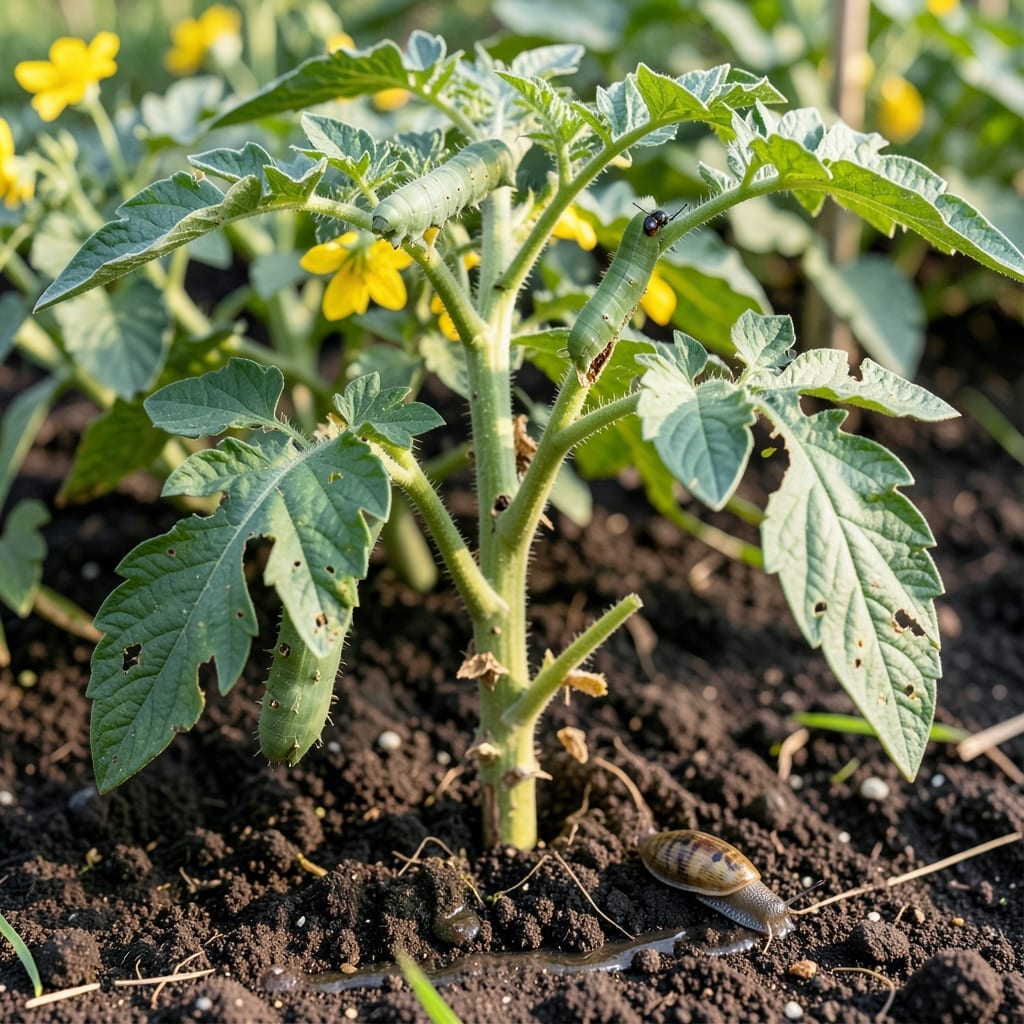
Waking up to chewed stems is every gardener’s nightmare. I’ve lost count of how many seedlings vanished overnight before I learned to spot the culprits early.
Cutworms, slugs, and beetles are the usual suspects, but the damage looks different for each. Cutworms sever stems cleanly at soil level, while slugs leave a slimy trail and jagged edges.
Once you identify the pest, solutions are straightforward: barriers for cutworms, hand-picking for beetles, or organic sprays for slugs. The key is acting before they multiply.
Prevention saves more plants than treatment. Simple habits like evening patrols, collars around stems, or diatomaceous earth can stop the cycle before it starts.
Plant stem damage is rarely random—it’s usually the work of hungry pests, environmental stress, or disease. Below are the most common causes, explained in clear, actionable terms so you can diagnose and fix the issue fast.
Insects like cutworms, slugs, and earwigs are notorious stem-munchers. Cutworms chew through young stems at soil level, causing seedlings to topple overnight. Slugs leave irregular holes and a telltale slime trail, while earwigs prefer tender new growth. Aphids and beetles may also target stems, weakening the plant by sucking sap or gnawing the bark.
Deer, rabbits, and rodents (like voles and mice) won’t hesitate to nibble stems, especially in winter or when food is scarce. Look for clean, angled cuts (rabbits) or ragged, torn edges (deer). Rodents often leave small tooth marks near the base. Fencing or repellents can deter these larger culprits.
Pathogens like Phytophthora or bacterial soft rot cause stems to rot, collapse, or develop dark, water-soaked lesions. These often thrive in overly moist conditions or poor air circulation. Unlike pest damage, diseased stems may ooze, discolor, or develop a foul odor.
Extreme heat, drought, or improper pruning can weaken stems, making them more susceptible to opportunistic pests. Sunscald (from intense light) or frost crack can also create wounds that invite further damage. Ensure consistent watering and mulch to protect the base.
Once you’ve identified the culprit, it’s time to act. Here’s how to tackle each common stem-muncher with simple, effective fixes—and prevent future attacks.
Handpick these pests at dusk or dawn when they’re most active, and drop them in soapy water. For a hands-off approach, set up beer traps (bury a shallow dish filled with beer) or sprinkle food-grade diatomaceous earth around plants. Copper tape around pots also deters them.
Prevention tip: 💡 Keep garden beds free of debris and water in the morning so surfaces dry by evening.
Wrap cardboard collars (2–3 inches tall) around seedling stems and push them 1 inch into the soil. This blocks cutworms from reaching the stem. You can also use aluminum foil or toilet paper rolls. Apply Bt (Bacillus thuringiensis) spray for organic control.
Prevention tip: 🌱 Till the soil in late fall to expose and disrupt overwintering larvae.
Blast them off with a strong stream of water early in the day. For stubborn infestations, apply insecticidal soap or neem oil (follow label instructions). Introduce beneficial insects like ladybugs or lacewings for natural control.
Prevention tip: ✨ Encourage biodiversity with companion plants like marigolds or herbs.
Protect stems with hardware cloth or plastic tree guards. Use humane traps or natural deterrents like peppermint oil or predator urine (available at garden centers). Avoid poison, which can harm pets and wildlife.
Prevention tip: 🎯 Secure compost bins and remove fallen fruit or seeds that attract them.
Look for seedlings severed at soil level overnight. Cutworms leave clean cuts and often curl around the stem.
Create barriers with copper tape or diatomaceous earth. Beer traps work well too—bury a dish filled with beer.
Yes, but it must be at least 2 feet tall and buried 6 inches deep to prevent digging. Chicken wire works best.
Toilet paper rolls or aluminum foil make great collars to block pests like cutworms.