
Beautiful Plants For Your Interior
Beautiful Plants For Your Interior
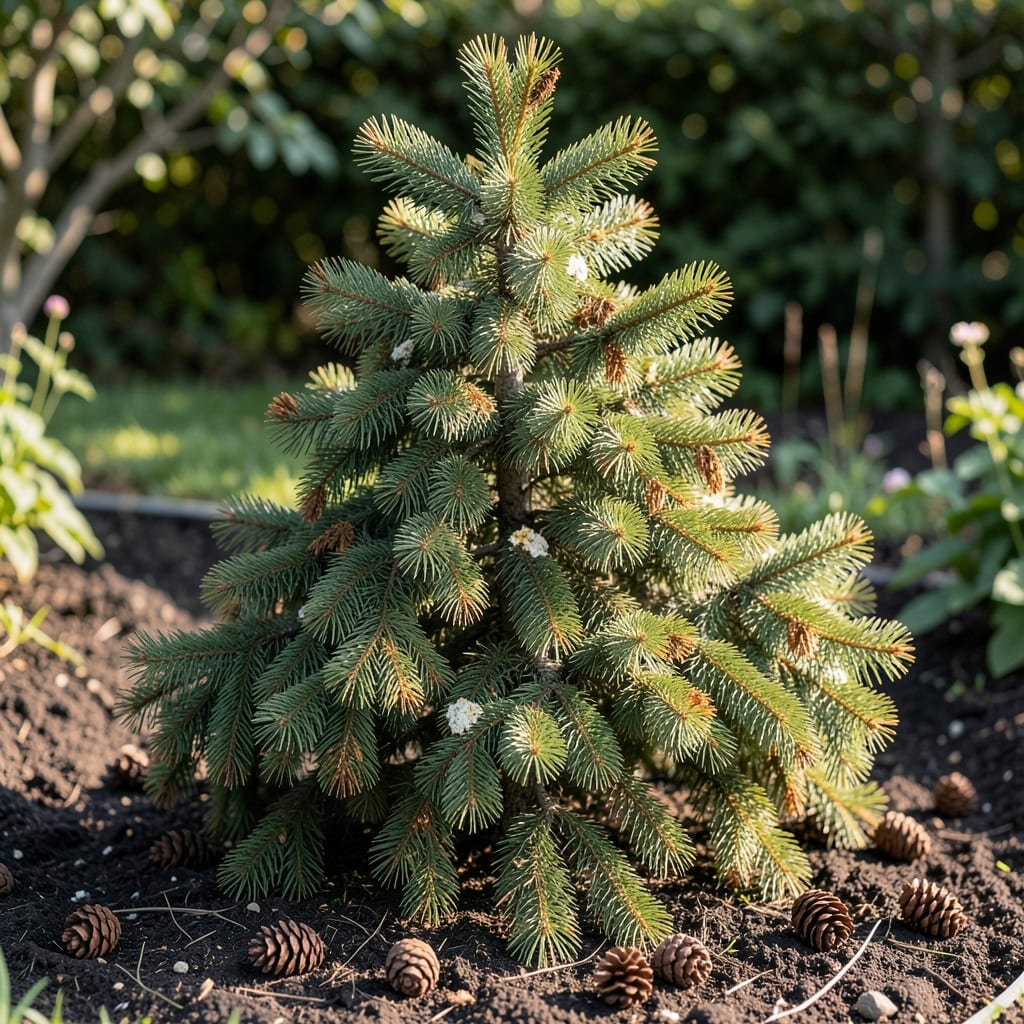
That sinking feeling when your Norway spruce starts looking sick. I’ve been there—watching healthy needles turn brown overnight, wondering if the whole tree is doomed. Early signs are subtle but unmistakable: discolored foliage, sticky residue, or powdery coatings on branches.
Most gardeners miss the first symptoms because they blend in with seasonal changes. The key is checking regularly, especially after wet periods. Organic treatment starts with removal of affected branches and improving air circulation around the tree.
You’ll see recovery within 4-6 weeks with consistent care. The tree’s natural defenses kick in once conditions improve. Prevention is simpler than treatment—keep the area clean and monitor closely.
Works for established trees and new plantings alike. Early action makes all the difference.
Understanding why Norway spruce trees develop fungal infections starts with recognizing the key conditions that favor pathogen growth. Below are the primary causes, explained scientifically and actionably.
Fungi thrive in damp environments. Overwatering, heavy clay soils, or inadequate drainage create waterlogged roots, stressing the tree and inviting pathogens like Rhizosphaera or Stigmina. Action: Improve soil drainage with organic matter or install French drains to prevent standing water.
Stressed Norway spruces—due to drought, nutrient deficiencies, or physical damage—are more susceptible to fungal spores. Compromised bark or pruning wounds provide entry points. Action: Maintain tree vigor through proper watering, mulching, and balanced fertilization to bolster natural defenses.
Dense canopies or crowded plantings trap humidity, promoting spore germination. Fungi like Phomopsis spread rapidly in stagnant air. Action: Thin out branches to enhance airflow and reduce leaf wetness duration.
Cool, wet springs or mild winters (which fail to kill overwintering spores) accelerate fungal growth. Action: Monitor weather patterns and apply organic fungicides preventatively during high-risk periods.
If your Norway spruce is showing signs of fungal infection, don’t panic—there are effective ways to stop the spread and restore its health. Below are targeted fixes for common causes, paired with prevention tips to keep your tree thriving. 🌲✨
Fungi like Rhizosphaera thrive in damp, stagnant conditions. Prune infected branches immediately using sterilized shears (dip in rubbing alcohol between cuts). Remove fallen needles and debris around the base to reduce moisture. Thin out dense foliage to boost airflow, which discourages fungal growth.
Prevention: Space trees at least 10–15 feet apart. Water at the base in the morning to allow foliage to dry quickly. 💡
Overwatered or poorly drained soil invites Phytophthora and other root-rotting fungi. Stop watering temporarily and check soil moisture—it should feel damp but not soggy. Amend heavy clay soil with compost or sand to improve drainage. For severe cases, apply a biological fungicide (e.g., Trichoderma-based) to the root zone.
Prevention: Plant Norway spruces in well-draining soil and avoid over-mulching. Use a moisture meter to guide watering. 🌧️
For early-stage infections, spray affected areas with neem oil or baking soda solution (1 tbsp baking soda + 1 tsp dish soap + 1 gallon water) every 7–10 days. For stubborn fungi, use copper fungicide (follow label instructions). Always apply in dry, calm weather for best results.
Prevention: Treat trees before symptoms appear, especially in humid seasons. Rotate fungicides to prevent resistance. ✨
A stressed spruce is more vulnerable. Fertilize in early spring with a balanced, slow-release formula to support growth. Ensure the tree gets full sun (6+ hours daily) and avoid compacting soil around the roots. Mulch with 2–3 inches of wood chips to retain moisture without suffocating roots.
Prevention: Monitor for pests (like spruce beetles) that weaken trees, and address them promptly. Healthy trees fend off fungi better! 💪
Look for brown or black needles, white or gray powdery coatings, and sticky residue on branches. Early signs often appear on lower branches first.
Apply treatments in dry, calm weather, preferably in early morning. Avoid spraying during rain or extreme heat.
Yes! A baking soda solution (1 tbsp + 1 tsp dish soap + 1 gallon water) works well for mild cases. Spray every 7-10 days.
Improve airflow by thinning branches, water at the base only, and remove fallen debris regularly. Healthy trees resist better!