
Beautiful Plants For Your Interior
Beautiful Plants For Your Interior
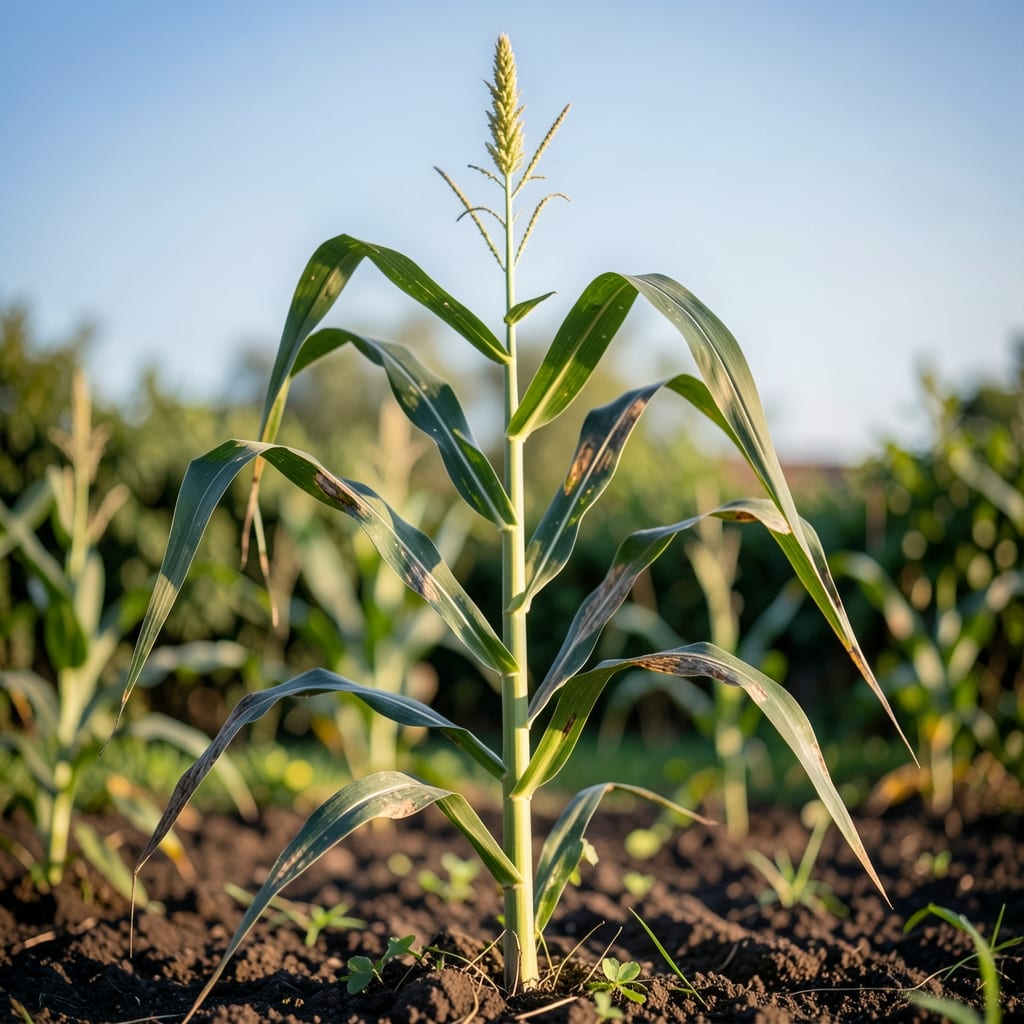
Yellow streaks on your grass aren’t just ugly—they’re often the first sign of trouble. Northern leaf blight starts small but spreads fast across lawns, turning green spaces into patchy eyesores by midsummer.
I’ve watched this disease creep through neighborhoods, jumping from one yard to the next when conditions are right. It thrives in wet, humid weather and targets the most common grass types, leaving brown lesions that ruin curb appeal.
The good news? You can stop it before it starts. Proper mowing, improved air circulation, and timely fungicide applications make all the difference. Early action prevents the costly damage.
Your lawn can stay lush and vibrant all season with the right approach. Here’s how to keep it healthy from the first sign of spring.
Northern leaf blight, a common fungal disease, thrives under specific environmental and cultural conditions. Understanding these triggers helps you prevent and manage outbreaks effectively.
The fungus Exserohilum turcicum (the pathogen behind this disease) spreads rapidly in wet, humid conditions. Prolonged leaf wetness—from rain, irrigation, or dew—creates the perfect breeding ground. Overwatering or poor drainage exacerbates the issue, as soggy soil and foliage encourage spore germination.
This pathogen is most active in temperatures between 65–80°F (18–27°C). Warm, muggy summers often see spikes in infections, as heat accelerates fungal growth while moisture sustains it. Lawns in regions with hot, humid climates are especially vulnerable.
Some turfgrasses, like Kentucky bluegrass and tall fescue, are highly prone to northern leaf blight. If your lawn consists of these varieties, it’s at greater risk, particularly if stressed by drought, compacted soil, or nutrient deficiencies.
Dense thatch layers, overgrown grass, or tightly packed lawns restrict airflow, trapping moisture and heat. This stagnant environment allows fungal spores to settle and multiply on leaves, leading to widespread infection.
Actionable tip: Aerate your lawn annually to improve drainage and air movement.
Tackling northern leaf blight starts with quick action and smart prevention. Below are targeted solutions for common causes, along with tips to keep your lawn resilient. 💡
As soon as you spot brown or grayish lesions on grass blades, remove and destroy the affected leaves. Use a rake or leaf blower to clear debris, as fungal spores thrive in damp, decaying matter. Bag and dispose of the clippings—do not compost them, or you risk reinfection.
Prevention tip: Mow regularly to improve airflow and reduce humidity. Keep blades sharp to avoid tearing grass, which invites disease. ✨
Excess moisture is a breeding ground for fungal growth. Water your lawn early in the morning (before 10 AM) so grass dries quickly in the sun. Aim for 1–1.5 inches per week, including rainfall. Use a rain gauge to track levels and avoid overdoing it.
Prevention tip: Improve drainage in low-lying areas to prevent waterlogging. Consider aerating compacted soil to enhance absorption. 🎯
Thick thatch or overcrowded grass traps moisture and blocks sunlight, creating ideal conditions for northern leaf blight. Dethatch your lawn if the layer exceeds ½ inch. For heavily shaded spots, trim nearby trees or shrubs to boost circulation.
Prevention tip: Overseed with resistant grass varieties like tall fescue or Kentucky bluegrass to strengthen your lawn’s defenses. 🌡️
A lawn lacking nitrogen or potassium is more susceptible to disease. Conduct a soil test to identify deficiencies, then apply a balanced, slow-release fertilizer as needed. Avoid high-nitrogen feeds in late summer, as they can promote tender growth that’s prone to infection.
Prevention tip: Follow a seasonal fertilizing schedule to maintain optimal soil health year-round. ✨
Early symptoms include small, water-soaked spots on grass blades that turn into elongated brown or gray lesions. These often appear on lower leaves first. Check your lawn weekly during warm, wet weather.
This fungal disease primarily affects turfgrasses like Kentucky bluegrass and tall fescue. It doesn’t typically jump to garden plants or trees, but can spread between lawns through spores.
With proper fungicide application and cultural changes, you’ll typically see new growth in 7–14 days. Full recovery may take several weeks depending on the severity of the infection.