
Beautiful Plants For Your Interior
Beautiful Plants For Your Interior
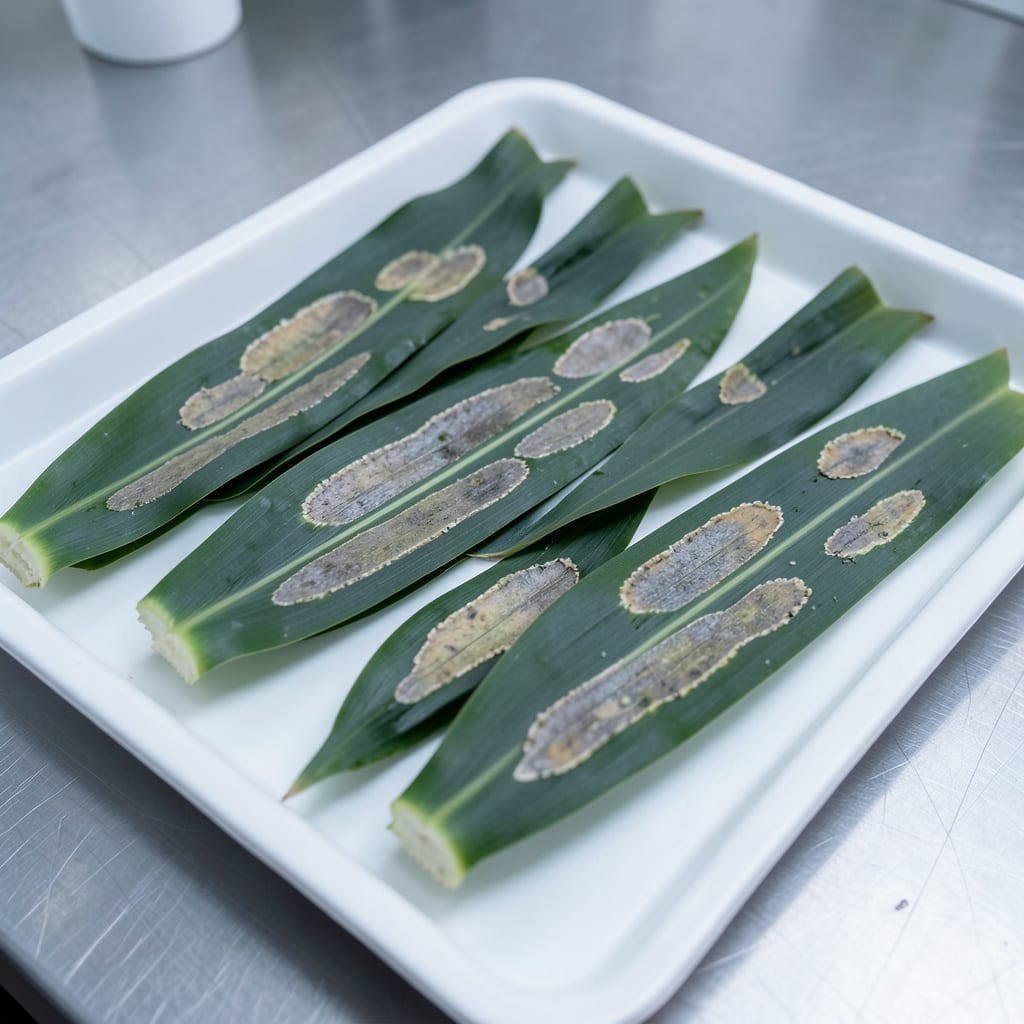
Gray lesions on your corn leaves mean trouble. I’ve seen northern leaf blight spread through a patch in 48 hours when conditions are right. Catching it early changes everything.
This fungus thrives in wet, warm weather, leaving long, cigar-shaped spots that kill leaves from the bottom up. Left unchecked, it can cut yields by 30-50% and weaken stalks before harvest.
Organic fixes work if you act fast. Remove infected leaves, improve airflow, and apply copper-based sprays at first sign. Rotation and resistant varieties prevent future outbreaks.
Early detection is your best defense. Check lower leaves weekly once plants reach knee-high. This simple habit saves seasons.
Northern leaf blight in maize is primarily driven by environmental and biological factors that favor the growth and spread of the fungal pathogen Exserohilum turcicum. Below are the key causes:
The fungus thrives in wet, humid conditions. Prolonged leaf wetness (from rain, dew, or irrigation) allows spores to germinate and infect maize leaves. Fields with poor drainage or dense canopies trap moisture, accelerating disease development.
E. turcicum flourishes in temperatures between 64–81°F (18–27°C). Cool, damp nights followed by warm days create ideal conditions for spore production and dispersal, especially during the growing season.
The pathogen overwinters in infected maize debris. Planting maize consecutively in the same field (monoculture) or failing to rotate crops allows spores to persist in residue, reinfecting new plants the following season.
Spores spread via wind currents or splashing water (rain or overhead irrigation). Close plant spacing or windbreaks can limit airflow, but poor ventilation may increase humidity, indirectly aiding infection.
Some maize hybrids lack genetic resistance to E. turcicum. Growing vulnerable varieties in high-risk areas without protective measures (e.g., fungicides or resistant seeds) heightens the likelihood of outbreaks.
Combating northern leaf blight in maize starts with targeted solutions for each underlying cause. Here’s a practical, step-by-step approach to tackle the problem and prevent future outbreaks.
Plant maize varieties bred for resistance to Exserohilum turcicum, the fungus behind this disease. Look for hybrids labeled with Ht1, Ht2, Ht3, or Htn1 resistance genes. Rotate crops with non-host plants like soybeans or legumes to break the fungal lifecycle.
Fungi thrive in wet conditions. Ensure fields have proper drainage to avoid waterlogging. Space plants adequately to promote airflow, and avoid overhead irrigation. Water at the base of plants early in the day so foliage dries quickly.
Pro tip: 💡 Use drip irrigation to keep leaves dry while delivering water directly to the roots.
The fungus overwinters in crop residue. After harvest, remove and burn or deeply plow under infected plant debris. This reduces the spore load for the next growing season. Sanitize tools and equipment to prevent spreading spores between fields.
At the first sign of grayish-green lesions, apply copper-based fungicides or biological agents like Bacillus subtilis. Spray in the evening or on cloudy days to avoid leaf burn. Reapply after rain or as directed on the product label.
Healthy soil grows resilient plants. Boost soil health with compost or organic matter to improve plant vigor. Balanced fertilization—especially with potassium and silicon—helps maize resist fungal attacks.
Prevention tip: ✨ Practice crop rotation and avoid planting maize in the same field year after year.
Look for small, grayish-green lesions on lower leaves that grow into long, cigar-shaped spots. These turn tan or brown as they mature. Check weekly once plants reach knee-high.
No, this fungus only affects maize and closely related grasses. It won’t jump to soybeans, tomatoes, or other garden plants. Still, rotate crops to break its lifecycle.
Untreated, severe infections can defoliate plants in 2-3 weeks. Yields may drop 30-50% if the disease reaches upper leaves before tasseling.
