
Beautiful Plants For Your Interior
Beautiful Plants For Your Interior
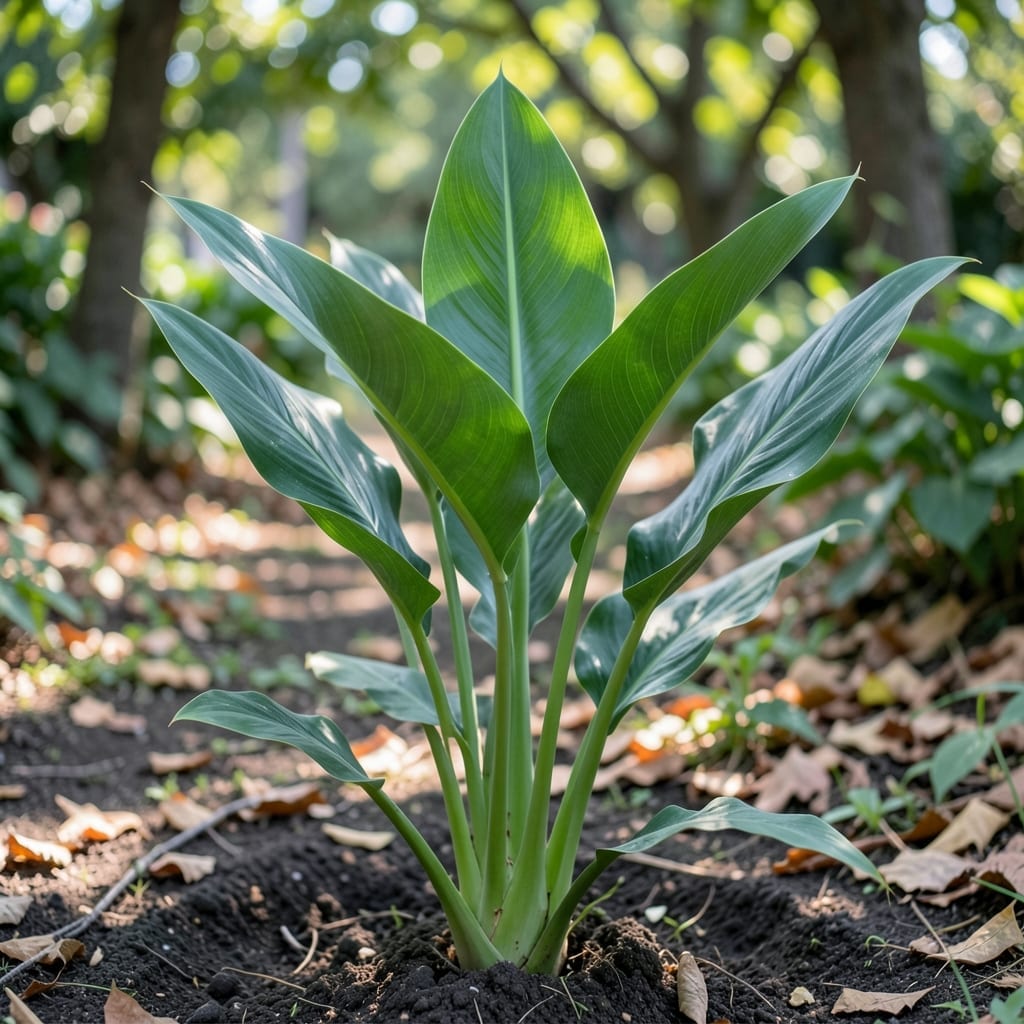
My calla lilies once went a full season without a single bloom. Frustrating doesn’t cover it—especially when you’re checking every morning for those elegant white trumpets.
Turns out, the usual suspects are light, water, or nutrients. Too much shade, soggy roots, or the wrong fertilizer can shut down flowering fast. I fixed mine by moving them to brighter spots and easing up on water.
Within 6 weeks, new flower spikes appeared. The plants looked healthier overall, with darker green leaves and stronger stems ready to support those iconic blooms.
Small adjustments make a big difference. Here’s how to diagnose what’s holding your calla lilies back.
Understanding why your calla lily isn’t blooming starts with identifying the underlying issues. Below are the most common scientific causes, along with actionable insights to address them.
Calla lilies (Zantedeschia aethiopica) require bright, indirect light to trigger flowering. Inadequate light disrupts photosynthesis, reducing the energy needed for bloom production. Without 6–8 hours of daily light (or 12+ hours under grow lights), the plant prioritizes foliage growth over flowers. Fix: Move the plant to a sunnier spot or supplement with artificial lighting.
Overwatering or underwatering stresses the plant, halting flower development. Calla lilies thrive in consistently moist but well-drained soil. Waterlogged roots suffocate, while drought causes the plant to conserve resources, sacrificing blooms. Fix: Water when the top 1–2 inches of soil are dry, ensuring pots have drainage holes.
These tropical natives need warmth (70–85°F during the day) and moderate humidity (40–60%) to flower. Cooler temperatures or dry air slow metabolic processes, delaying or preventing blooms. Fix: Maintain stable conditions; use a humidifier or pebble tray if indoor air is dry.
A lack of phosphorus (critical for flowering) or excess nitrogen (promotes leaf growth) can stunt blooms. Calla lilies need a balanced fertilizer (e.g., 10-10-10) or a bloom-specific formula (higher in phosphorus, like 5-10-5). Fix: Fertilize every 2–4 weeks during the growing season, reducing frequency in dormancy.
Calla lilies enter dormancy naturally in cooler months. If forced into dormancy too early (e.g., by cold snaps) or kept dormant too long, they may skip flowering. Fix: Mimic natural cycles: reduce watering in fall, stop fertilizing, and restart care in early spring to encourage blooms.
If your calla lily isn’t blooming, don’t worry—there are simple, effective fixes for each common cause. Below, we map the issues to actionable solutions, plus tips to keep flowers coming back year after year.
Calla lilies need 6–8 hours of bright, indirect light daily to trigger blooming. If yours sits in a dim corner, relocate it near an east- or north-facing window. Outdoors, place it under partial shade (like under a tree) to avoid leaf scorching. Prevention tip: 💡 Rotate the pot weekly for even light exposure.
Soggy soil suffocates roots and halts flowering. Water only when the top 1–2 inches of soil feel dry. Use a pot with drainage holes, and empty saucers after 30 minutes to prevent standing water. Prevention tip: 🌡️ Stick your finger in the soil—if it’s damp, wait another day or two.
Calla lilies bloom best in 60–75°F (15–24°C) during the day and a 10°F drop at night. If your plant is indoors, move it away from heaters or AC vents. Outdoors, protect it from frost in winter. Prevention tip: ✨ In cooler climates, dig up rhizomes after frost and store them in a dry, cool place until spring.
Flowering plants crave phosphorus. Switch to a 10-20-10 or 5-10-5 fertilizer and apply every 4–6 weeks during growing season. Avoid over-fertilizing, which can burn roots. Prevention tip: 🎯 Mix compost into the soil at planting for a slow-release nutrient boost.
Calla lilies naturally rest after blooming. If your plant looks healthy but isn’t flowering, it may be in dormancy. Stop fertilizing, reduce watering, and let the foliage die back. After 2–3 months, resume care to encourage new growth. Prevention tip: ⏰ Mark your calendar to track its cycle and adjust care accordingly.
Calla lilies need 6-8 hours of bright, indirect light daily. Too little light causes leafy growth instead of flowers. Move to a sunnier spot or supplement with grow lights.
Yes! Too much nitrogen promotes leaves over blooms. Switch to a high-phosphorus formula like 5-10-5 and apply every 4-6 weeks during growing season.
Maintain 60-75°F during the day with a 10°F drop at night. Avoid drafts or heat sources that disrupt this balance.
Only if the soil stays soggy. Water when the top 1-2 inches are dry. Overwatering causes root rot, which stops flowering entirely.