
Beautiful Plants For Your Interior
Beautiful Plants For Your Interior
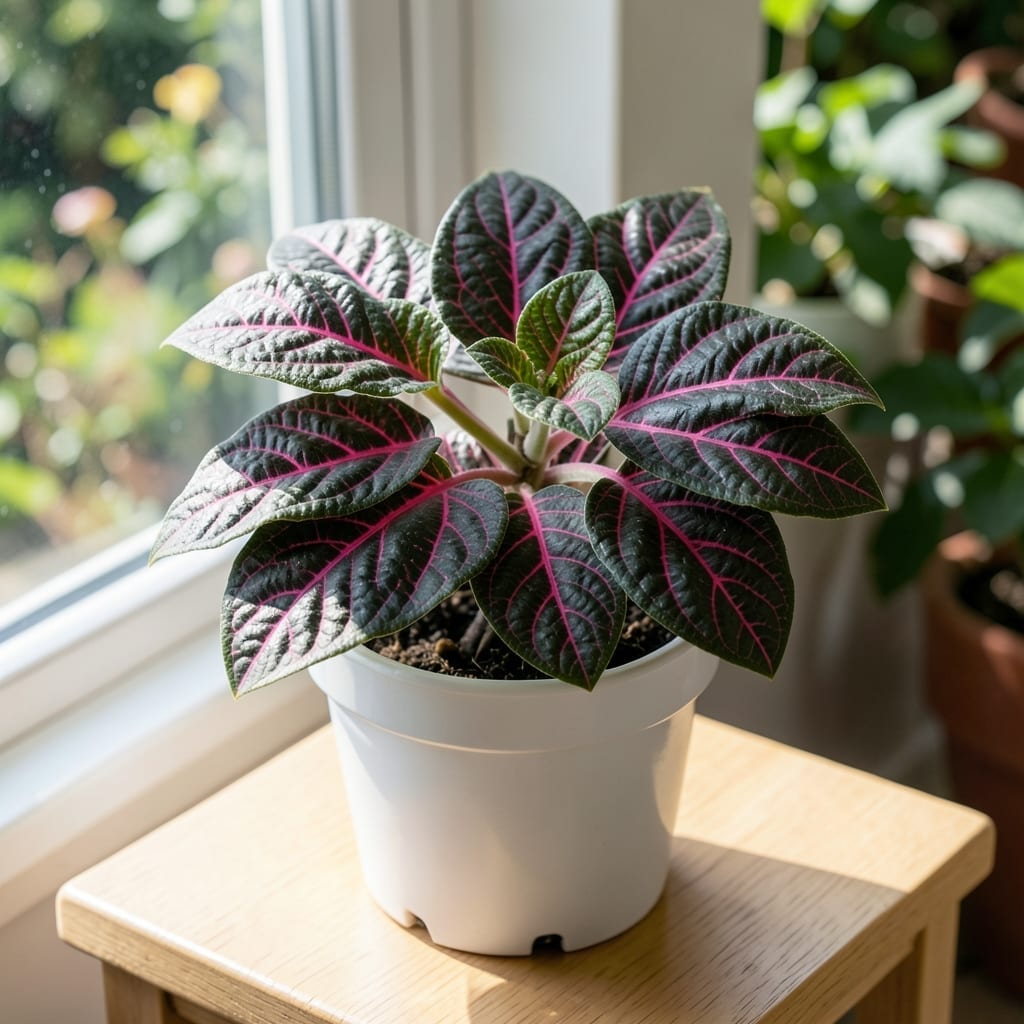
Your nerve plant’s leaves shouldn’t look like tiny tacos. I’ve nursed mine back from the brink more times than I care to admit—usually it’s something simple that’s easy to overlook.
Most often, curling signals a cry for help: too little water, too much, or air that’s drier than a desert. Sometimes it’s pests, but they’re usually the last culprit to check.
Once you spot the pattern—crispy edges, drooping, or color changes—the fix is straightforward. My plants bounce back within 2-3 days once conditions improve.
Prevention is even easier than the cure. A little attention to routine makes all the difference for keeping those striking veins looking their best.
Nerve plants (Fittonia) are sensitive to their environment, and curled leaves often signal distress. Here’s why it happens:
As tropical natives, nerve plants thrive in 60-80% humidity. Dry air causes leaves to lose moisture rapidly, triggering curling to reduce surface area and slow water loss. If your home’s humidity drops below 50%, this is the most likely culprit.
Direct sunlight or intense artificial light can scorch the delicate foliage. Curling is a defensive response to excessive transpiration and UV damage. These plants prefer bright, indirect light—like that from an east-facing window.
Dramatic temperature swings or drafts (below 60°F/15°C or above 75°F/24°C) disrupt cellular function. Cold drafts from windows or AC vents cause leaves to curl inward, while heat stress may make them crisp and brittle.
Inconsistent watering leads to root stress. Underwatering makes leaves curl to conserve water, while overwatering suffocates roots, impairing nutrient uptake. Aim for moist (not soggy) soil, watering when the top inch feels dry.
A lack of magnesium or potassium can cause leaf edges to curl. These nutrients regulate water movement and enzyme function. Use a balanced, diluted liquid fertilizer every 4-6 weeks during growing season to prevent deficiencies.
If your nerve plant’s leaves are curling, don’t worry—most causes are easy to address. Below are targeted fixes for each common issue, plus tips to keep your plant thriving.
Give your nerve plant a deep watering until water drains from the bottom. Let the top inch of soil dry out between waterings, but don’t let it stay parched. Prevention tip: Stick your finger in the soil weekly to check moisture. A consistent watering schedule keeps leaves perky.
Stop watering immediately and let the soil dry out. If root rot is suspected, trim any mushy roots and repot in fresh, well-draining soil. Prevention tip: Use a pot with drainage holes and empty the saucer after watering to avoid soggy roots.
Mist the leaves daily or place a humidifier nearby. A pebble tray with water under the pot also helps. Prevention tip: Group plants together to create a microclimate with higher humidity.
Move your plant away from drafts, heaters, or AC vents. Keep it in a spot with steady temperatures between 65–80°F (18–27°C). Prevention tip: Avoid sudden temperature swings by keeping it in a stable indoor environment.
Wipe leaves with a damp cloth to remove pests like spider mites or aphids. For stubborn infestations, use insecticidal soap or neem oil. Prevention tip: Inspect leaves regularly and isolate new plants before introducing them to your collection.
Use a balanced, diluted liquid fertilizer every 4–6 weeks during growing season. Prevention tip: Avoid over-fertilizing—nerve plants prefer gentle feeding to prevent salt buildup in the soil.
Mist daily if humidity is below 50%. Use room-temperature water and focus on the leaves, not the soil. A humidifier is more effective for consistent moisture.
Yes! Once you fix the issue, new growth will be healthy. Severely damaged leaves may not uncurl, but trimming them encourages fresh growth.
Inspect the undersides of leaves with a magnifying glass. Look for tiny webs, white spots, or sticky residue. Treat immediately with neem oil if found.
Water when the top 1 inch of soil is dry, typically every 5-7 days. Use a pot with drainage holes to prevent overwatering.