
Beautiful Plants For Your Interior
Beautiful Plants For Your Interior
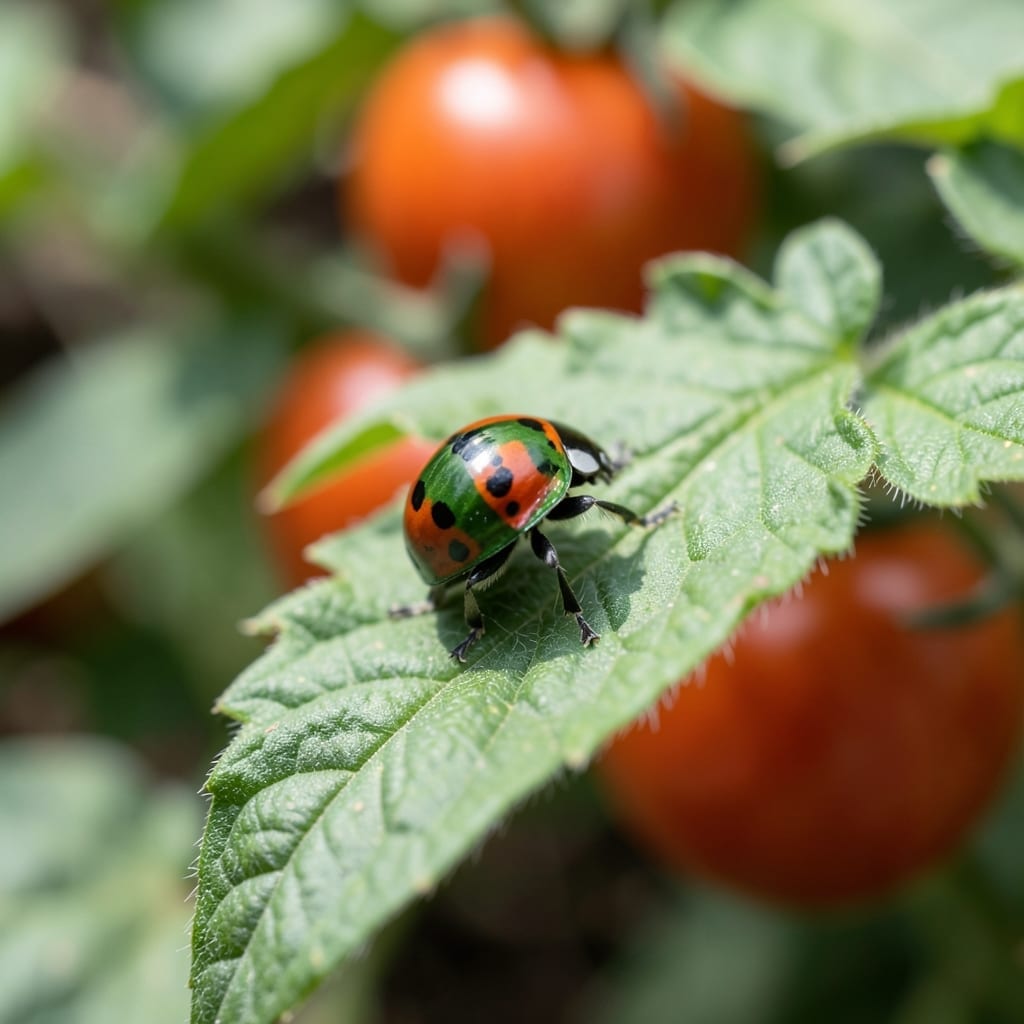
Bugs were destroying my garden until I discovered nature’s own pest control. 🌱 Planting certain flowers and herbs next to vulnerable crops creates a protective shield that keeps pests away without chemicals.
Marigolds repel nematodes, basil confuses aphids, and nasturtiums trap cucumber beetles. These combinations work because pests dislike the scents or get distracted by sacrificial plants, leaving your main crops untouched.
With a little planning, you’ll see fewer chewed leaves and healthier harvests within weeks. The best part? It’s completely safe for pollinators, pets, and your family.
Works for vegetable gardens, flower beds, or container setups. Here’s how to pair plants for maximum protection.
Understanding why bugs are drawn to your plants is the first step toward natural, chemical-free protection. Here’s a breakdown of the primary causes:
Plants grown in poor or imbalanced soil often lack essential nutrients, making them weaker and more susceptible to pests. For example, excessive nitrogen promotes lush, soft growth that aphids and whiteflies love. A soil test can reveal deficiencies, allowing you to amend with organic matter like compost to restore balance.
Too much moisture creates a breeding ground for fungus gnats, slugs, and root rot, which attract secondary pests. Overwatered plants also develop weak cell walls, making them easier for insects like spider mites to penetrate. Ensure proper drainage and water only when the top inch of soil is dry.
Monoculture gardens (planting only one type of crop) are like a buffet for pests. Without diverse plant species, beneficial insects that prey on pests have no habitat. Companion planting—like pairing marigolds with tomatoes—disrupts pest cycles by introducing natural repellents and predators.
Plants under stress from extreme heat, cold, or drought produce volatile organic compounds (VOCs) that signal weakness to insects. Drought-stressed plants, for instance, emit scents that attract thrips and leafhoppers. Mulching and consistent watering help stabilize plant health.
Chemical pesticides don’t just kill pests—they also wipe out beneficial insects like ladybugs, lacewings, and parasitic wasps that naturally control pest populations. Avoid synthetic sprays and instead cultivate a garden ecosystem that welcomes these allies.
Keeping bugs off your plants doesn’t have to mean harsh chemicals. Try these natural, effective fixes to protect your garden while keeping it thriving and toxin-free.
Bugs love damp, crowded spaces. Thin out dense foliage and space plants properly to let air circulate. Trim back overgrown areas and remove dead leaves to reduce hiding spots for pests. Prevention tip: Plant in raised beds or use trellises to keep foliage off the ground.
Healthy plants resist pests better. Boost their defenses with compost tea or a seaweed foliar spray for a nutrient kick. Avoid over- or under-watering, and mulch to retain moisture. Prevention tip: Rotate crops yearly to prevent soil depletion and pest buildup.
Some plants naturally repel bugs. Marigolds deter nematodes, basil keeps mosquitoes away, and nasturtiums trap aphids. Interplant these with vulnerable crops. Prevention tip: Add garlic or chives near roses or tomatoes to ward off pests like aphids and whiteflies.
💡 Pro tip: Crush eggshells around the base of plants to deter slugs and snails—it’s a simple but powerful barrier!
Mix 1 tsp mild liquid soap + 1 liter water and spray directly on aphids, mites, or mealybugs. For tougher pests, use neem oil (follow package directions). Prevention tip: Apply early morning or late evening to avoid harming beneficial insects like bees.
Marigolds, basil, and nasturtiums are top performers. Marigolds deter nematodes, basil confuses mosquitoes, and nasturtiums trap aphids. Plant them near vulnerable crops for maximum protection.
Use soapy water or neem oil every 5-7 days or after rain. Always spray in the early morning or late evening to avoid harming bees and other beneficial insects.
Yes! Pair basil with tomatoes or marigolds with peppers in pots. Ensure containers have good drainage and enough space for roots to grow without competition.
Overcrowding plants creates damp, shaded areas where pests thrive. Space plants properly and prune regularly to improve airflow and reduce hiding spots for bugs.