
Beautiful Plants For Your Interior
Beautiful Plants For Your Interior
Ant trails ruining your garden beds? I lost three seasons of strawberries to these tiny invaders before finding a solution that actually works.
Here’s the thing—chemical sprays kill ants but also harm the soil and beneficial insects your garden needs. The natural approach targets ants specifically while keeping your ecosystem intact.
Within 48 hours, you’ll see the trails disappear and your plants reclaim their space. No harsh chemicals, no expensive treatments, just smart, targeted methods.
Works for raised beds, container gardens, and open soil. The ants won’t know what hit them.
Understanding why ants invade your garden is the first step toward a natural solution. These tiny but persistent pests don’t just appear randomly—they’re drawn in by specific environmental triggers. Below are the most common causes, backed by science, so you can address the root of the problem.
Ants are scavengers by nature, and gardens often provide a buffet of easy meals. Overripe fruits, fallen seeds, and even pet food left outdoors act as open invitations. Sugary substances (like aphid honeydew) and protein-rich materials (dead insects, meat scraps) are especially irresistible. A study in Journal of Chemical Ecology found that ants can detect food from up to 100 feet away using pheromone trails.
Ants need water to survive, and damp garden areas—like leaky hoses, poorly drained soil, or standing water—create ideal nesting conditions. Species like Odorous House Ants and Argentine Ants thrive in moist environments, often building colonies near mulch, compost piles, or under rocks where humidity is high.
Loose soil, woodpiles, and cracks in pavement offer perfect hideouts for ant colonies. Some species, like Carpenter Ants, carve tunnels into damp or rotting wood, while others (e.g., Fire Ants) prefer sunny, open patches of soil. Gardens with thick mulch layers or undisturbed plant debris unintentionally provide safe harbors for these insects.
Ants are cold-blooded, so they seek out warm, stable temperatures. In spring and summer, gardens become prime real estate as soil temperatures rise. South-facing slopes or areas near sidewalks and driveways (which absorb heat) are particularly attractive. Research from _PNAS_ shows that some ant species can double their foraging activity in temperatures between 75–90°F.
Ants in your garden can be stubborn, but these natural fixes will help you reclaim your space without harsh chemicals. Below are targeted solutions for common causes, plus prevention tips to keep them from returning.
Ants march where the food is. Eliminate their buffet by:
Prevention tip: 💡 Use a vinegar-water spray (1:1 ratio) to wipe down outdoor tables and surfaces—ants hate the scent!
If ants are nesting in soil or under rocks:
Prevention tip: ✨ Lay a barrier of cinnamon or coffee grounds around garden beds—ants avoid these strong scents.
Standing water or damp soil draws ants. Fix it by:
Prevention tip: 🌡️ Place a dehumidifier near garden sheds if moisture lingers in stored items.
Ants farming aphids? Break the cycle with:
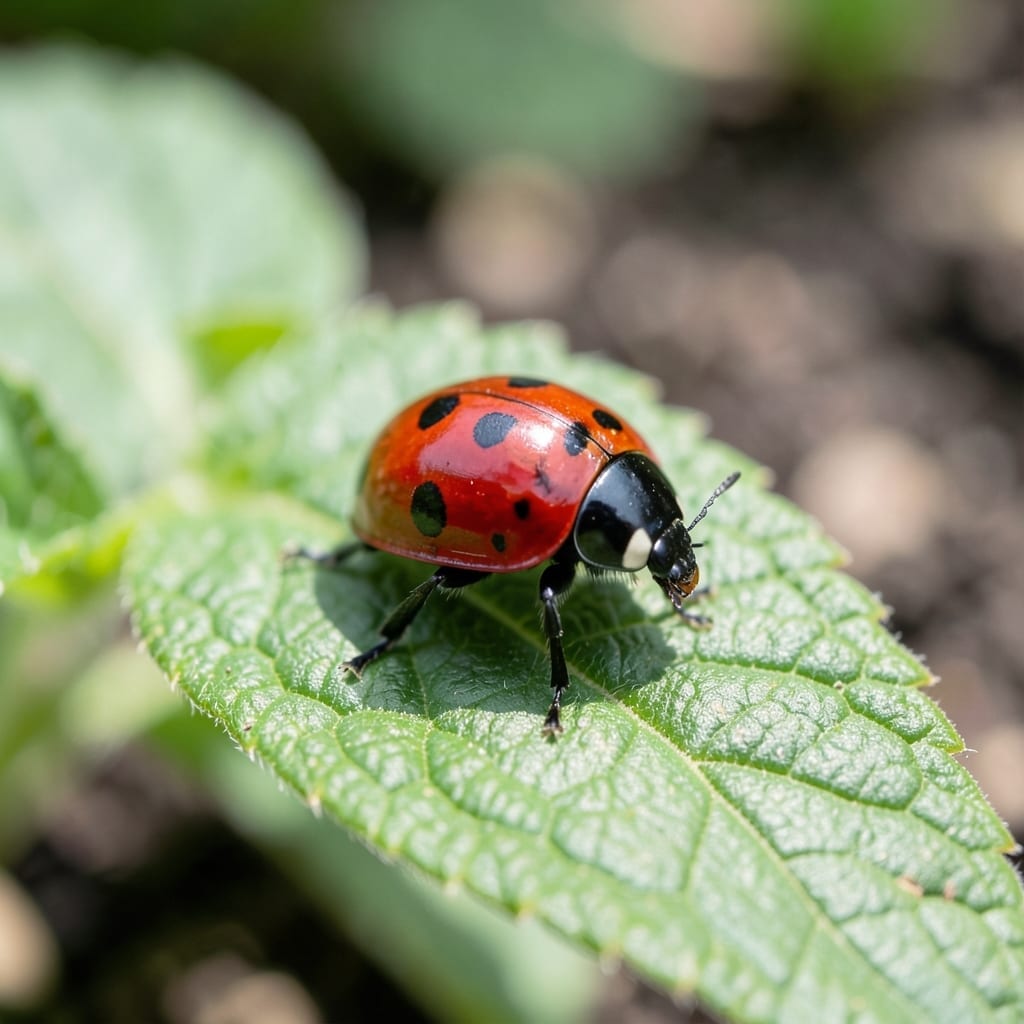
Prevention tip: 🎯 Encourage ladybugs (natural aphid predators) by planting marigolds or daisies.
No, diluted white vinegar (1:1 with water) is safe for most plants. Avoid spraying directly on foliage, and test on a small area first. It disrupts ant trails without damaging soil or roots.
Reapply after rain or heavy watering, as it loses effectiveness when wet. A light dusting every 1-2 weeks maintains protection. Use food-grade only for garden safety.
Yes, but only if poured directly into the nest entrance. Repeat every 2-3 days for new activity, as it may not reach the queen on the first try.