
Beautiful Plants For Your Interior
Beautiful Plants For Your Interior
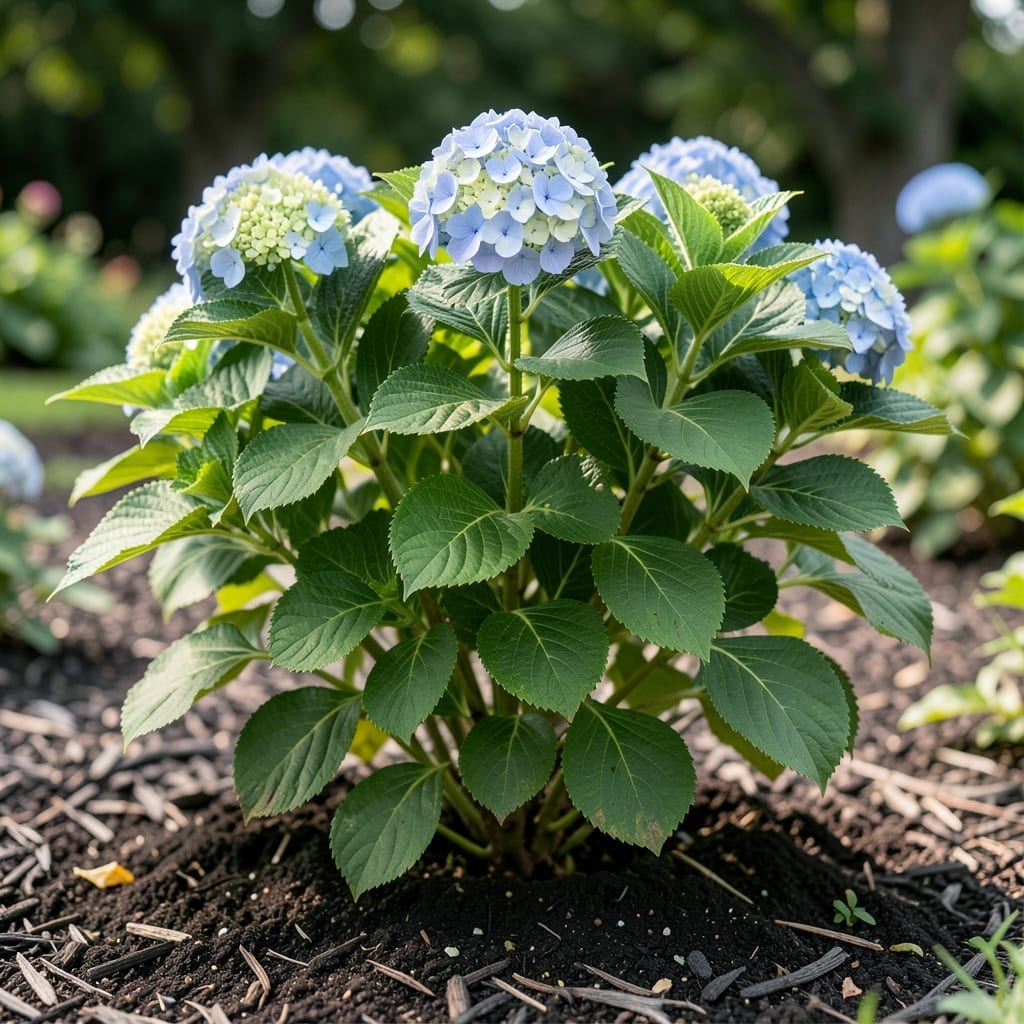
Last summer, my hydrangeas were all leaves and no flowers. Frustrating, right? I dug into the reasons and found 5 simple fixes that transformed my plants from leafy to lavishly blooming.
Turns out, most issues come down to timing, sunlight, or feeding. Pruning at the wrong time, not enough morning sun, or the wrong fertilizer can all stop those gorgeous blooms from appearing.
After adjusting my care routine, I saw the first buds within 4 weeks. Now, my hydrangeas produce bigger, brighter flowers every season without fail.
These solutions work for any hydrangea variety, whether you’re growing in pots or in the ground. Here’s how to get it right.
Your hydrangeas may refuse to bloom due to several common—and fixable—issues. Below are the most likely causes, explained simply with science-backed solutions.
Hydrangeas bloom on old wood (last year’s growth) or new wood (current season’s growth), depending on the variety. Pruning at the wrong time—like cutting back Hydrangea macrophylla (bigleaf) in spring—removes flower buds before they open. H. paniculata and H. arborescens bloom on new wood, so they tolerate late pruning.
Flower buds form in late summer for the next year. A harsh winter, sudden freeze, or late spring frost can kill these delicate buds. Mulch heavily in fall to insulate roots, and protect plants with burlap wraps in cold climates (USDA Zones 5 and below).
While hydrangeas love partial shade, too little light leads to weak stems and no blooms. Most varieties need 4–6 hours of morning sun daily. If your plant is in deep shade, relocate it gradually to a brighter spot with dappled afternoon shade.
Excess nitrogen (the first number in NPK fertilizer) promotes lush leaves at the expense of flowers. Use a balanced, low-nitrogen fertilizer (e.g., 10-10-10) or a bloom-specific formula (higher phosphorus, like 7-9-5) in early spring. Avoid fertilizing after July to prevent new growth that won’t harden off before winter.
While pH affects flower color in H. macrophylla, extreme pH levels (below 5.0 or above 7.0) can reduce blooming by limiting nutrient uptake. Test your soil: aim for 5.5–6.5 pH. Amend with lime (to raise pH) or sulfur (to lower pH) as needed, but do so gradually over months.
If your hydrangeas aren’t blooming, don’t lose hope! Here’s how to fix the most common issues and coax those gorgeous flowers to life.
Hydrangeas need 4-6 hours of sunlight daily. If yours are in deep shade, move them to a sunnier spot or trim back overhanging branches. For existing plants, thin nearby trees to let light in. Prevention tip: 💡 Plant new hydrangeas where they’ll get morning sun and afternoon shade in hot climates.
Pruning at the wrong time can snip off next year’s blooms. Old wood bloomers (like bigleaf hydrangeas) need pruning right after flowering. New wood bloomers (like panicle hydrangeas) can be pruned in late winter. Prevention tip: ✨ Always check your hydrangea type before pruning—when in doubt, wait until spring and remove only dead wood.
Late spring frosts can kill flower buds. Cover plants with frost cloth or old blankets when cold snaps are forecasted. For extra protection, mound mulch around the base in fall. Prevention tip: 🌡️ Choose cold-hardy varieties if you live in a region with unpredictable frosts.
Too much nitrogen promotes leafy growth at the expense of blooms. Use a balanced, low-nitrogen fertilizer (like 10-10-10) in early spring, and avoid feeding after July. Prevention tip: 🎯 Test your soil first—hydrangeas often bloom better in slightly acidic to neutral soil (pH 6.0-7.0).
Newly planted hydrangeas may take 2-3 years to bloom as they focus on root growth. Give them time, keep them watered, and resist the urge to over-fertilize. Prevention tip: 🌱 Buy mature, blooming-size plants if you want flowers faster.
With these fixes, your hydrangeas will be bursting with color in no time!
Most varieties require 4–6 hours of morning sun daily. Too much shade leads to leafy growth but no flowers. If your spot is too dark, move them gradually to a sunnier area.
Old wood bloomers (like bigleaf) should be pruned right after flowering. New wood bloomers (like panicle) can be pruned in late winter. Always check your variety first!
Excess nitrogen in fertilizer promotes foliage over blooms. Switch to a balanced, low-nitrogen fertilizer (like 10-10-10) and stop feeding after July.