
Beautiful Plants For Your Interior
Beautiful Plants For Your Interior
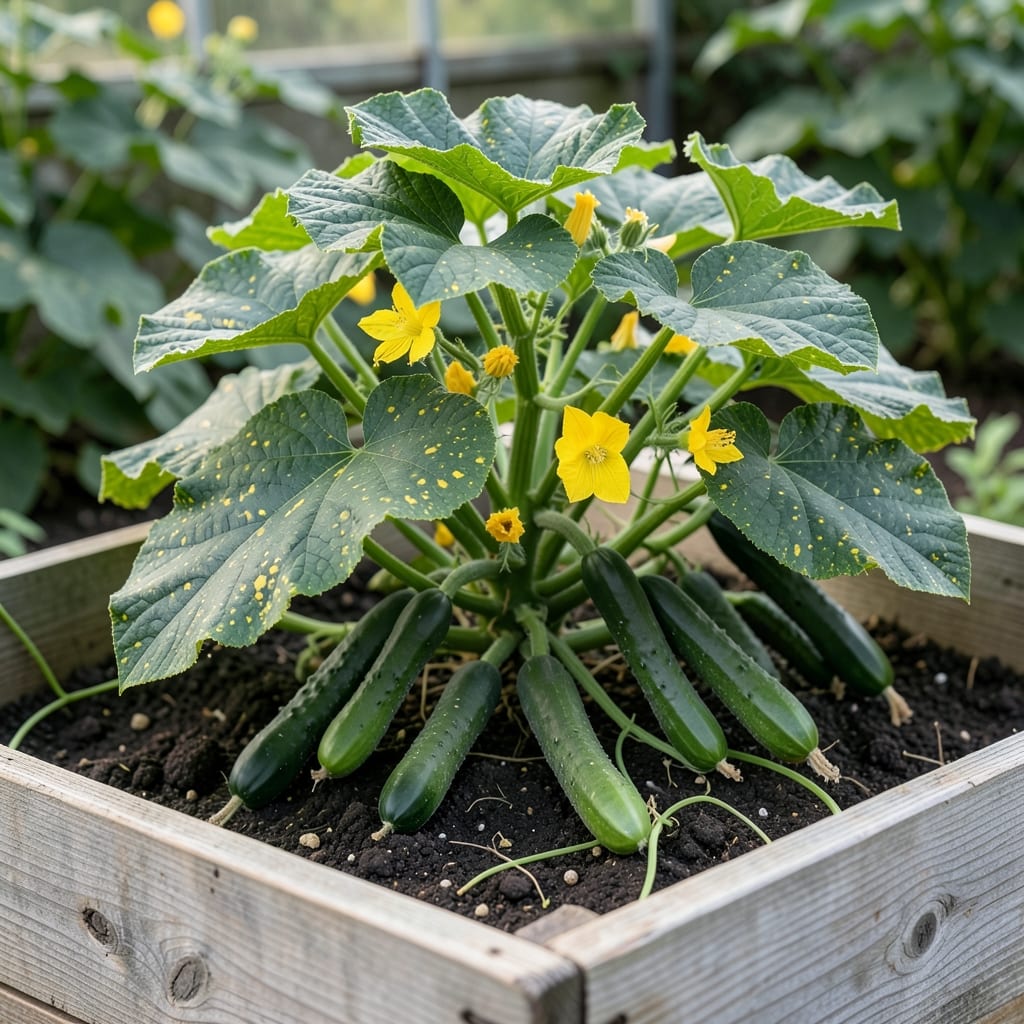
First time I saw mosaic virus on my cucumbers, I thought the leaves were sunburned. Turns out, those yellow mottled patterns and curled edges were the virus leaving its mark.
This sneaky problem spreads through aphids, infected seeds, or contaminated tools. I caught it early last season by spotting the stunted growth and distorted fruits before it wiped out my entire patch.
Natural prevention is your best defense: remove infected plants immediately, control aphids with beneficial insects, and disinfect tools between uses. These steps keep the virus from spreading to healthy plants.
With consistent vigilance, you can protect your cucumber crop and maintain a productive garden all season long. The key is acting fast before it takes hold.
The mosaic virus in cucumbers is primarily caused by the Cucumber Mosaic Virus (CMV), a pathogen spread through vectors, infected plant material, and poor agricultural practices. Below are the key reasons why it happens:
Aphids are the most common transmitters of CMV. These tiny, sap-sucking insects carry the virus from infected plants to healthy ones. Once an aphid feeds on a contaminated plant, it can spread the virus to cucumber crops within minutes. Myzus persicae (green peach aphid) is a particularly notorious carrier.
The virus can survive in dead plant material, soil, or weeds. If cucumber plants are grown in areas previously used for susceptible crops (like tomatoes or peppers), lingering viral particles in the debris can infect new plants. Always remove and destroy old plant residue to break the cycle.
CMV spreads through human activity as well. Pruning shears, gloves, or even hands that touch infected plants can transfer the virus to healthy cucumber plants. Sanitizing tools with a 10% bleach solution or rubbing alcohol between uses reduces this risk.
Many common weeds, such as milkweed and chickweed, act as reservoirs for the virus. Aphids feed on these weeds and then migrate to cucumber plants, introducing the infection. Regular weeding minimizes this threat.
In rare cases, the virus can be present in infected seeds or young transplants. Purchasing certified disease-free seeds and seedlings from reputable suppliers helps prevent this mode of transmission.
Once mosaic virus appears in your cucumber plants, quick action can limit its spread. While there’s no cure for infected plants, you can manage the issue and protect the rest of your garden with these targeted solutions.
Pull up and destroy any cucumber plants showing mosaic virus symptoms (mottled leaves, stunted growth). Do not compost them—burn or bag them to prevent the virus from spreading. Sanitize your tools afterward with a 10% bleach solution.
Aphids are the primary carriers of mosaic virus. Use neem oil or insecticidal soap to keep their numbers down. Introduce beneficial insects like ladybugs or lacewings for natural aphid control. Reflective mulches can also deter aphids from landing on your plants.
Clean up plant debris and weeds, as they can harbor the virus. Disinfect garden tools, stakes, and even your hands after handling infected plants. Rotate crops yearly to avoid replanting cucumbers or related species (like squash or melons) in the same spot.
Consistency is key—stay vigilant with these steps to keep your garden thriving!
No, there is no cure for infected plants. Remove them immediately to prevent spreading to healthy ones.
Aphids can transmit it within minutes of feeding. Without intervention, it can infect an entire garden in 1-2 weeks.
Most are, but some like County Fair or Diva show better resistance. Always check seed labels for disease resistance.
It’s risky. The virus can survive in soil for months. Replace or solarize soil with clear plastic for 4-6 weeks before replanting.