
Beautiful Plants For Your Interior
Beautiful Plants For Your Interior
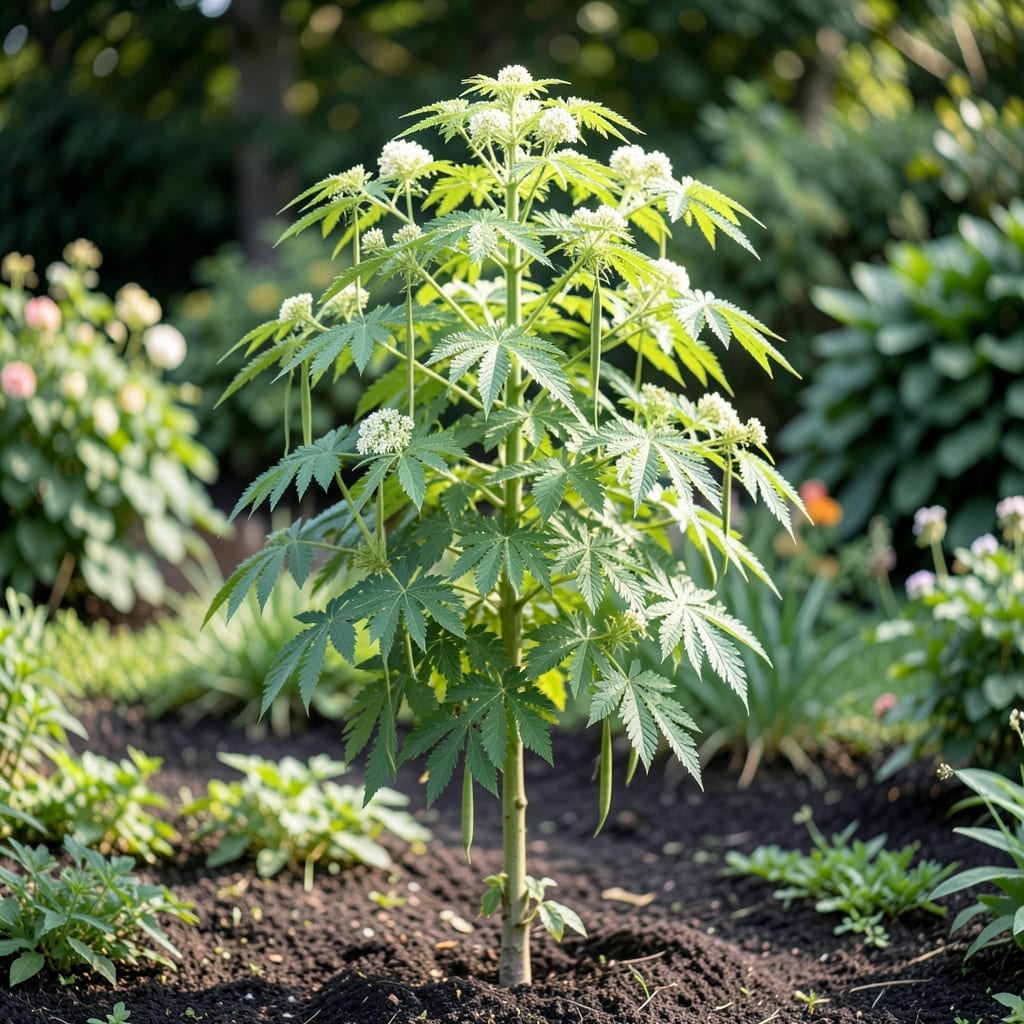
Spotting a moringa tree starts with its delicate, feather-like leaves. I first recognized one in a friend’s yard by the way its fern-like foliage danced in the breeze, so different from other trees.
The bark is another giveaway—smooth and silvery when young, turning corky with age. Its growth pattern is fast and upright, often reaching 10-15 feet in just a few years in the right climate.
Look for small, fragrant white flowers in spring, followed by long, drumstick-shaped pods. These features make identification nearly foolproof once you know what to seek.
Thriving in warm climates, moringa adapts well to dry soil and full sun, making it a hardy choice for gardens in zones 9-11.
Misidentifying the Moringa oleifera tree often stems from its striking similarity to other fast-growing, drought-resistant species. Below are the primary scientific and environmental reasons why confusion arises, along with actionable insights to avoid mistakes.
The moringa tree shares leaf and growth traits with species like Parkinsonia aculeata (Jerusalem Thorn) or Albizia lebbeck (Siris Tree). Its pinnate, feather-like leaves resemble those of leguminous trees, while its slender, drooping branches mimic acacia varieties. This convergent evolution—where unrelated plants develop similar adaptations for arid climates—makes visual ID tricky without examining pod shape, flower structure, or bark texture.
Moringa’s ability to thrive in poor soil and extreme heat leads to phenotypic plasticity—its appearance changes based on water availability or pruning. A stunted, bushy moringa in a dry region may look nothing like a tall, sparse specimen in a tropical zone. This variability often misleads observers into dismissing it as a different species.
Actionable tip: Check for triangular seed pods (a moringa hallmark) or crush a leaf—its peppery, radish-like scent is unique.
Young moringa saplings lack the tree’s signature features (e.g., corky bark or large pods). Their initial growth resembles common weeds or legumes, especially in the first 6–12 months. This similarity delays accurate identification until maturity. Solution: Look for alternate leaf arrangement and tiny white flowers in early growth stages.
If you’re struggling with moringa tree identification, these practical solutions will help you pinpoint the plant with confidence. Below, we break down common challenges and how to fix them.
Moringa leaves resemble those of other trees like the neem or acacia. To solve this, examine the leaf structure closely. Moringa leaves are pinnate (feather-like) with small, oval leaflets arranged in pairs along a central stem. Unlike neem, moringa leaflets are not serrated.
Prevention tip: 💡 Compare leaf samples side by side with known moringa images or fresh specimens to spot differences.
Moringa trees grow rapidly and have a slender, upright trunk with drooping branches. If your tree lacks this pattern, check its height and branching. Young moringa trees may appear bushy, but mature ones grow tall (up to 30 feet) with a sparse canopy. Mistaking it for a shrub? Look for the corky, whitish bark, a hallmark of moringa.
Prevention tip: 🎯 Plant moringa in open areas where its growth habit can be observed without obstruction.
Moringa’s long, triangular seed pods are unique, but they can be confused with other legumes. True moringa pods are green, ribbed, and hang downward, growing up to 18 inches long. If unsure, split the pod: moringa seeds are winged and round.
Prevention tip: ✨ Collect seed pods during the dry season (when they’re brown and ready to split) for easier identification.
By focusing on these key traits—leaf shape, growth pattern, and seed pods—you’ll master moringa tree identification in no time!
Moringa leaves are pinnate, with small oval leaflets arranged in pairs along a central stem. Unlike similar trees, they lack serrated edges and have a distinctive peppery scent when crushed.
In ideal conditions, they can reach 10-30 feet tall with a slender, upright trunk. Young trees may look bushy, but mature ones develop a sparse canopy with drooping branches.
Moringa pods are long, triangular, and ribbed, hanging downward and growing up to 18 inches. When ripe, they turn brown and split to reveal winged, round seeds.
Yes! It’s often confused with acacia or neem due to similar feather-like leaves. Check for corky bark and unique seed pods to confirm it’s moringa.