
Beautiful Plants For Your Interior
Beautiful Plants For Your Interior
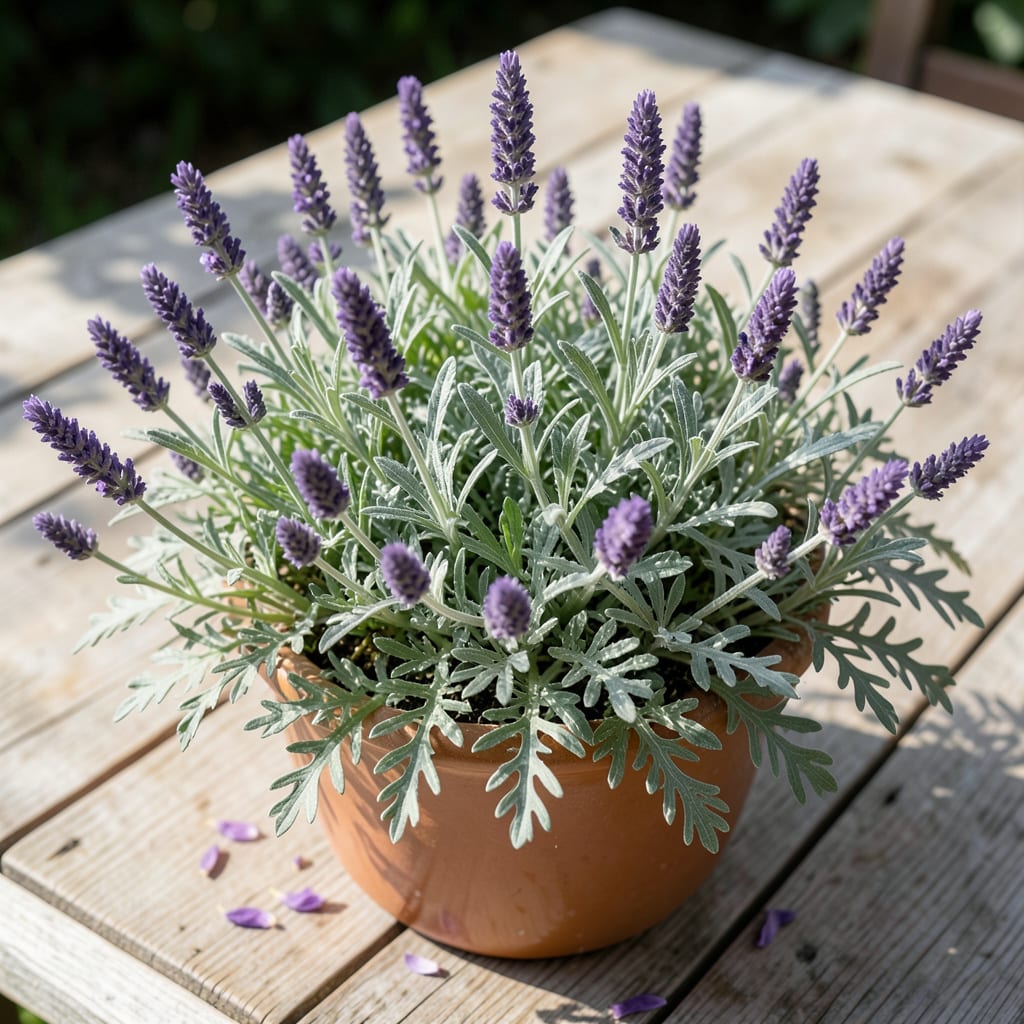
I first spotted fern-leaf lavender at a local nursery and did a double-take—delicate, feathery foliage with that classic lavender scent. It’s a showstopper in any garden.
These unique varieties thrive in full sun and well-draining soil, just like traditional lavender. Pair them with rosemary or ornamental grasses for a textural masterpiece. Easy to grow, impossible to ignore.
📚 In This Guide
Here’s how to identify, plant, and care for these distinctive lavender varieties with confidence.
Lavender with fern-like leaves is most commonly Lavandula multifida, also known as Spanish or Egyptian lavender. Unlike traditional English lavender’s narrow, linear foliage, this variety produces finely divided, lacy leaves resembling ferns. I always check the leaf structure first—true fern-like lavender has deeply lobed, almost feathery foliage.
Another clue is the flower form. While standard lavender has dense, cylindrical spikes, Lavandula multifida produces loose, more open flower heads with long, rabbit-ear-like bracts at the top. This visual distinction is unmistakable once you know what to look for.
Select a spot with full sun—at least 6-8 hours of direct sunlight daily. This variety thrives in heat and tolerates drought once established, but it won’t survive in soggy soil. I test the site by observing water drainage after rain; if puddles linger for more than 1 hour, the spot needs amending.
The soil should be well-draining, ideally sandy or loamy with a pH between 6.5 and 7.5. If your soil is heavy clay, work in 3-4 inches of compost and coarse sand to improve structure. Avoid over-fertilizing—lavender prefers lean soil, and too much organic matter can lead to excessive foliage with fewer flowers.
Dig a hole twice as wide as the root ball but no deeper. Place the plant so the crown sits slightly above soil level to prevent rot. I space plants 18-24 inches apart to allow for their mature spread, which can reach 2-3 feet wide.
Backfill with native soil, gently firming it around the base. Water deeply immediately after planting, then taper off—once established, this lavender needs water only every 2-3 weeks in dry conditions. Mulch lightly with gravel or sand to retain heat and deter weeds, but keep it away from the crown.
Prune lightly after flowering to encourage bushiness. I trim back about one-third of the current year’s growth, cutting just above a leaf node. This prevents the plant from becoming woody and leggy. Never prune into old wood—lavender doesn’t regenerate well from bare stems.
Deadhead spent blooms to prolong the flowering season, which typically runs from late spring to early fall. If your plant looks stressed, check for signs of root rot or fungal issues, which often appear as yellowing leaves or wilting. A well-placed layer of 1-2 inches of sand around the base can help prevent moisture-related problems.
Took me a few seasons to perfect growing these unique varieties, so let me share what I’ve learned.
The Identification Trick: When examining leaf structure in Step 1, look for the deeply lobed, feathery appearance that sets Lavandula multifida apart from other varieties. The rabbit-ear bracts on the flower heads are another dead giveaway—once you spot these, you’ll never confuse it with traditional lavender again.
Sunlight Requirement: The 6-8 hours of direct sunlight daily mentioned in Step 2 isn’t just a suggestion—it’s critical. I’ve tried planting in partial shade, and the results were weak, leggy plants with sparse blooms. If your garden doesn’t get this much sun, consider container planting so you can move pots to follow the light.
Drainage Test: That 1 hour drainage check in Step 2 is your best defense against root rot. If water pools longer than this after rain, amend the soil with extra compost and coarse sand as recommended. I learned this the hard way after losing two plants to soggy soil.
Pruning Precision: In Step 4, trimming back exactly one-third of the current year’s growth keeps the plant compact and floriferous. The key is cutting just above a leaf node—this encourages new growth from the right spots. And remember, never cut into old wood; lavender won’t regenerate from bare stems.
The Lavandula multifida, commonly called Egyptian lavender or fern-leaf lavender, features delicate, fern-like foliage. It’s a unique variety that stands out with its deeply lobed leaves and tall, slender stems.
Fern-leaf lavender thrives in full sun and well-draining soil. Water moderately, allowing the soil to dry between waterings. Prune lightly after flowering to encourage bushier growth and maintain its shape.
This variety typically blooms in late spring to early summer, producing spikes of small, fragrant purple flowers. In warmer climates, it may rebloom in the fall with proper care.
Yes! It adapts well to containers as long as they have good drainage. Use a sandy or gravelly potting mix and place the container in a sunny spot. This makes it great for patios or balconies.
Yellowing leaves often signal overwatering or poor drainage. Ensure the soil isn’t soggy and the plant isn’t sitting in water. If the issue persists, check for root rot or nutrient deficiencies.
