
Beautiful Plants For Your Interior
Beautiful Plants For Your Interior
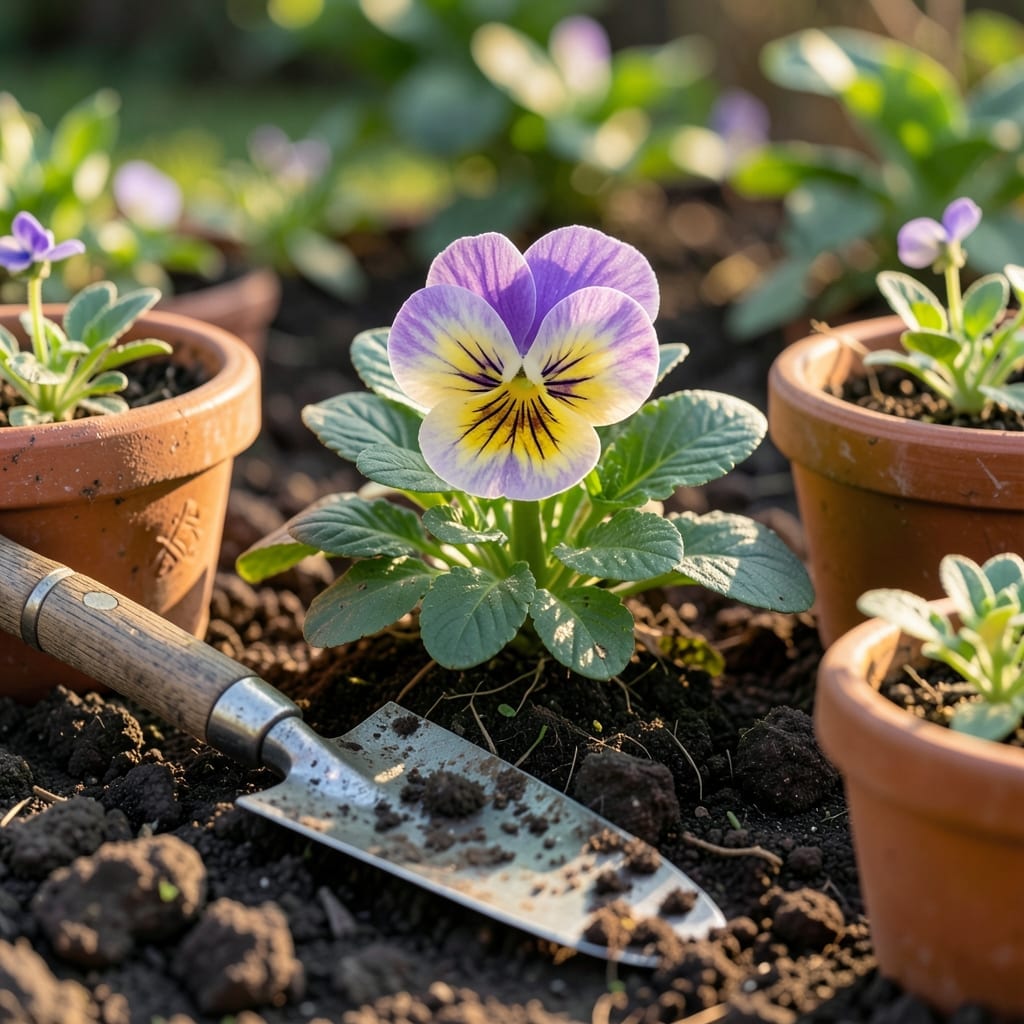
Timing is everything when planting 🌸 Flowers in spring—plant too early and frost may kill your blooms, but wait too long and you’ll miss the optimal growing window.
This guide helps you pinpoint the perfect moment based on your climate zone and flower type. Whether you’re in USDA Zone 6 or elsewhere, understanding these windows is the key to success.
I’ll walk you through the best practices for planting in March through May, ensuring your garden thrives from the start. No more guessing when to get your hands dirty.
Discover how to align your planting schedule with nature’s rhythm and watch your garden flourish like never before.
Knowing your USDA Hardiness Zone is the first step to perfect timing. In Zone 6, for example, the last frost date is typically around April 15, making this your green light for most flowers.
Soil temperature matters just as much as air temperature. Most annual flowers need soil at least 60°F, while perennials can often handle slightly cooler conditions. Always check with a soil thermometer for accuracy.
| USDA Zone | Last Frost Date | Safe Planting Window | Recommended Flowers |
|---|---|---|---|
| 3-4 | May 15 | Late May | Pansies, Snapdragons |
| 5 | April 15 | Mid-April | Daffodils, Tulips |
| 6 | April 15 | Late April | Marigolds, Zinnias |
| 7-8 | March 15 | Early March | Petunias, Impatiens |
| 9-10 | February 15 | Early February | Begonias, Coleus |
For Zone 6 gardeners, March through May offers the prime window. Start with cold-hardy annuals like pansies in early spring, then transition to warm-season flowers after the last frost.
Perennials often have different needs. Bleeding hearts and columbines can go in as soon as the ground is workable, while dahlias should wait until soil warms to 60°F.
Soil preparation is key before planting. I always test my soil pH and amend with compost or organic matter to give my flowers the best start. This improves drainage and provides essential nutrients.
For container gardening, you can start earlier since pots warm up faster. Just be ready to protect tender plants if a late frost threatens. I use frost cloths for this exact purpose.
Remember that native wildflowers often have different timing. Many can be planted in late fall for spring blooms, but spring planting works too if you time it right after the last frost.
Finally, keep a garden journal to track your planting dates and results. This helps me refine my schedule each year based on what worked best in my specific conditions. 🌷
Not all spring flowers have the same cold tolerance. I always start with cold-hardy varieties like pansies and snapdragons that can handle light frosts. These can go in the ground 4-6 weeks before your last frost date.
For warm-season flowers like marigolds and zinnias, it’s best to wait until after the last frost when soil temperatures reach at least 60°F. This ensures they won’t be shocked by cold soil.
Early bloomers like crocuses and snowdrops can even be planted in late fall for spring color. Their bulbs need a cold period to trigger blooming, making them perfect for early spring displays.
For container gardening, I recommend starting petunias and geraniums indoors 8-10 weeks before your last frost. This gives them a head start for vibrant early summer blooms when moved outside.
Perennial flowers often have different timing. Bleeding hearts and columbines can be planted as soon as the ground is workable, while dahlias should wait until all frost danger has passed.