
Beautiful Plants For Your Interior
Beautiful Plants For Your Interior
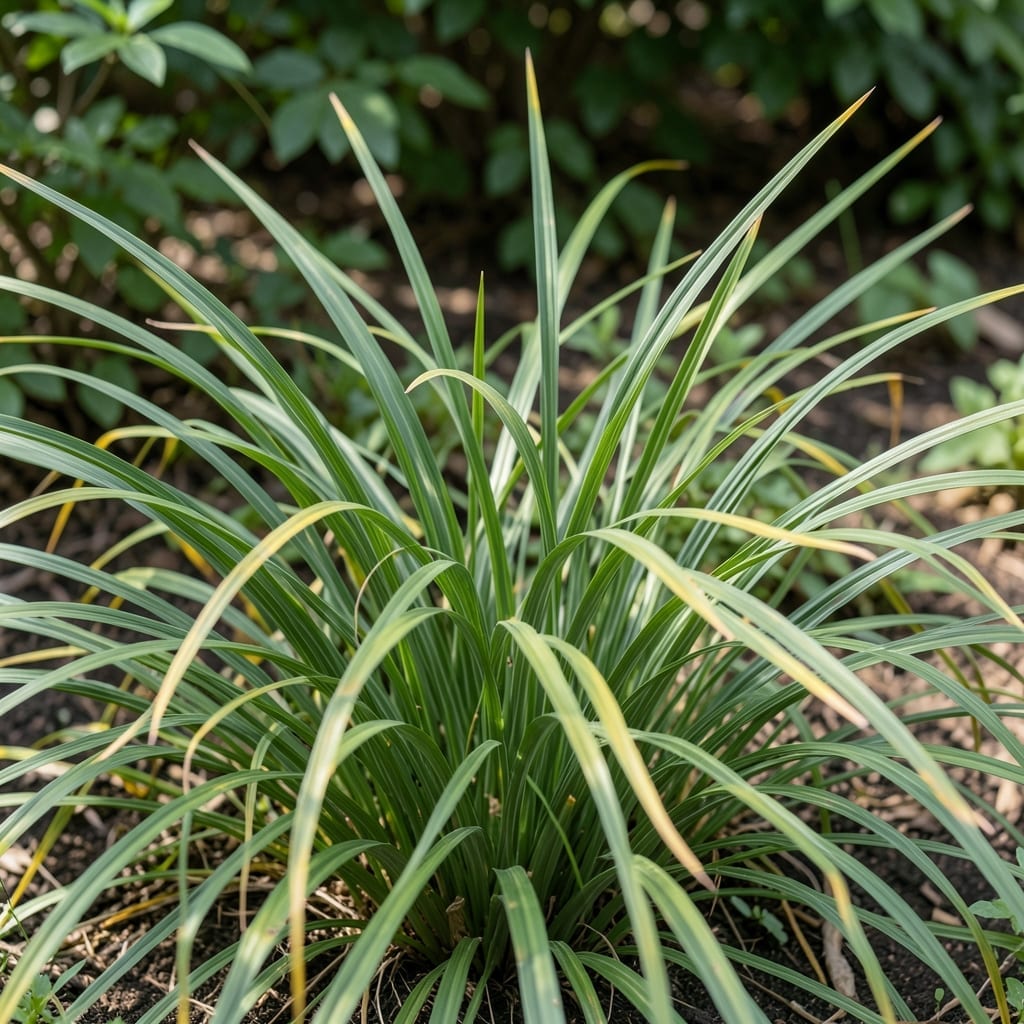
Yellow monkey grass means your plant is screaming for help. I’ve seen this exact issue turn lush green patches into sad, faded clumps in just a few weeks.
Most times it’s either too much water, hungry roots, or the wrong kind of sunlight. The fix is usually simpler than you think—adjust one thing and watch it bounce back within 2-3 weeks.
You’ll know it’s working when those yellow edges start greening up from the center. No fancy tools needed, just a sharp eye and a little patience.
Works for both Liriope muscari and the spreading varieties. Here’s how to diagnose and fix it fast.
Monkey grass, or Liriope, can turn yellow for several reasons, often tied to environmental stress or cultural mismanagement. Below are the most frequent culprits, explained with actionable insights.
A lack of essential nutrients, particularly nitrogen or iron, can cause yellowing. Nitrogen deficiency often appears as uniform yellowing across older leaves, while iron deficiency shows as interveinal chlorosis (yellowing between green veins) in newer growth. Test soil pH—alkaline soils (pH > 7.0) can lock out iron, even if it’s present.
Root rot from soggy soil suffocates roots, blocking nutrient uptake. Monkey grass thrives in well-draining soil; yellowing leaves with mushy brown roots signal excess moisture. Check drainage and reduce watering frequency.
While monkey grass tolerates shade, too much direct sun (especially in hot climates) can scorch leaves, turning them yellow or brown. Conversely, deep shade may starve the plant of light, leading to weak, pale growth. Aim for dappled or partial shade in extreme conditions.
Spider mites and scale insects sap nutrients from leaves, causing stippling or yellowing. Inspect undersides of leaves for webbing (mites) or sticky residue (scale). Treat with neem oil or insecticidal soap at first signs.
Frost or heatwaves stress monkey grass, triggering yellowing. In winter, cold damage may appear as widespread browning. Mulch heavily before frost. In summer, afternoon shade and consistent moisture help mitigate heat stress.
If your monkey grass is losing its vibrant green, these targeted fixes can restore its health quickly. Address the root cause first, then adjust care to prevent future issues.
Yellowing often signals a lack of nitrogen or iron. Apply a balanced, slow-release fertilizer (10-10-10) in early spring, or use a chelated iron supplement for iron-deficient soil. Water deeply after feeding to help roots absorb nutrients. 💡 Prevention tip: Test soil annually and amend with compost to maintain fertility.
Soggy roots cause yellowing and rot. Let the top inch of soil dry out between waterings. If the area stays wet, improve drainage by mixing in sand or gravel, or transplant to a raised bed. 💡 Prevention tip: Water early in the day to allow excess moisture to evaporate.
While monkey grass tolerates sun, intense heat can scorch leaves. Move potted plants to partial shade, or use shade cloth for in-ground patches during peak afternoon hours. 💡 Prevention tip: Mulch around the base to retain moisture and cool roots.
Inspect leaves for pests like spider mites or signs of fungal disease (e.g., spots or wilting). Spray with neem oil for pests or a fungicide for diseases, following label instructions. 💡 Prevention tip: Keep the area clean of debris and avoid overhead watering to reduce fungal risks.
With these adjustments, your monkey grass should regain its lush green color in a few weeks. Stay consistent with care, and it’ll thrive for years!
Water deeply once a week, allowing the top 1 inch of soil to dry between sessions. Overwatering leads to yellowing, so adjust based on rainfall and soil drainage.
Use a balanced 10-10-10 slow-release fertilizer in spring. For iron deficiency, apply chelated iron. Always water after feeding to help absorption.
Yes, deep shade can starve the plant of light, leading to weak, pale growth. Aim for partial or dappled shade for best results.
With proper care, yellow leaves should start greening up from the center in 2-3 weeks. Be patient and consistent!