
Beautiful Plants For Your Interior
Beautiful Plants For Your Interior
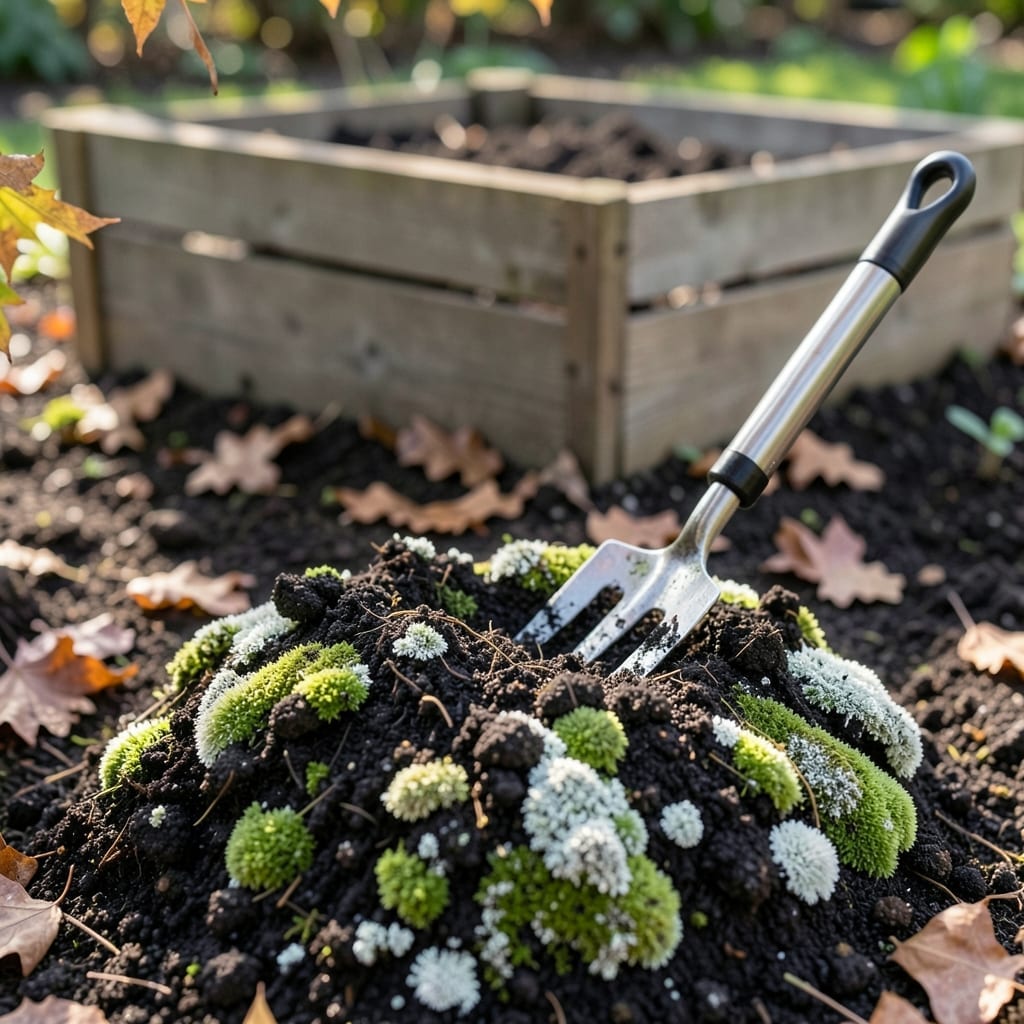
White fuzz on your compost pile isn’t always bad news. I’ve seen both the destructive and the beneficial kinds, and learning the difference saved my compost from becoming a smelly disaster.
The harmful stuff spreads fast, smells terrible, and turns your pile into a soggy mess. But the good mold—usually white and thread-like—actively breaks down organic matter. The key is balance: enough air, the right moisture, and proper layering.
Fixing it often takes just a few adjustments. Turn the pile to add oxygen, mix in dry browns like leaves, or cover it during heavy rain. Within a week, you’ll see the balance restore itself.
Prevention is simpler than you think. Maintain a 3:1 brown-to-green ratio, keep it as damp as a wrung-out sponge, and turn it every 2-3 weeks. Your compost will stay active and mold-free.
Mold in compost is a common issue, often resulting from imbalances in the composting process. Understanding the root causes helps you adjust your method for a healthier pile. Here’s why it happens:
Compost needs heat (130–160°F) to break down materials and kill mold spores. If your pile is too small, lacks nitrogen-rich “greens” (like food scraps), or isn’t turned regularly, it won’t reach these temperatures. Cold or compacted piles create a damp, stagnant environment where mold thrives.
Mold often appears when the carbon (browns) to nitrogen (greens) ratio is off. Too many dry, carbon-heavy materials (leaves, straw) slow decomposition, while excess nitrogen (grass clippings, veggie scraps) creates a soggy, ammonia-rich mess. Aim for a 30:1 ratio—roughly 3 parts browns to 1 part greens by volume.
Mold loves moisture. Overwatering, poor drainage, or adding wet materials (like fruit/veggie pulp) without balancing dry ones (shredded paper, dry leaves) leads to a waterlogged pile. Ideal moisture is like a damp sponge—squeezing out a few drops but not dripping.
Anaerobic (oxygen-starved) conditions encourage mold and foul odors. This happens when piles are too dense, not turned often enough, or contain large, matted materials (like whole leaves or thick layers of grass). Aerate weekly by turning the pile to introduce oxygen and disrupt mold growth.
Dealing with unwanted growth in your compost? Here’s how to tackle each cause with simple, effective fixes—and keep it from coming back.
If excess moisture is the culprit, turn the pile with a pitchfork to improve airflow. Spread the compost in a thin layer under the sun for a few hours to speed up drying. Add brown materials like dry leaves, straw, or shredded cardboard to absorb moisture and restore balance.
Prevention tip: 💡 Cover your pile with a tarp during heavy rain, and always mix greens (nitrogen-rich) with browns (carbon-rich) in a 2:1 ratio.
Stagnant compost breeds mold. Use a garden fork or aerator tool to turn the pile every 3–5 days, bringing oxygen to the center. For large piles, consider adding coarse materials like wood chips to create air pockets.
Prevention tip: ✨ Avoid compacting materials—layer loosely and keep the pile fluffy.
If your compost smells sour or looks slimy, it’s likely too heavy on greens (food scraps, grass clippings). Add more browns (paper, sawdust, or dried plant matter) to rebalance the carbon-to-nitrogen ratio. Aim for a mix that looks like a damp sponge—moist but not soggy.
Prevention tip: 🎯 Chop materials into smaller pieces to speed up decomposition and reduce clumping.
A pile that’s too small (under 3x3x3 feet) may not heat up enough to break down properly. Combine it with another pile or add more organic matter to reach the ideal size. If the pile is cold, stir in fresh greens or a compost activator (like garden soil) to kickstart microbial activity.
Prevention tip: ⏰ Monitor temperature with a compost thermometer—ideal range is 120–160°F (49–71°C).
White, thread-like mold is usually beneficial and helps break down materials. Avoid colored molds (black, green, or orange), which may indicate harmful fungi. Always wear gloves when handling compost to stay safe.
Turn your pile every 3-5 days to improve airflow and disrupt mold growth. Use a garden fork to mix thoroughly, bringing oxygen to the center.
Yes, but bury them deep in the pile to prevent spreading. Avoid adding large amounts of moldy bread or dairy, as these can attract pests.
A sour or rotten smell usually means too much moisture or nitrogen. Add dry browns like leaves or straw to rebalance and reduce odor.