
Beautiful Plants For Your Interior
Beautiful Plants For Your Interior
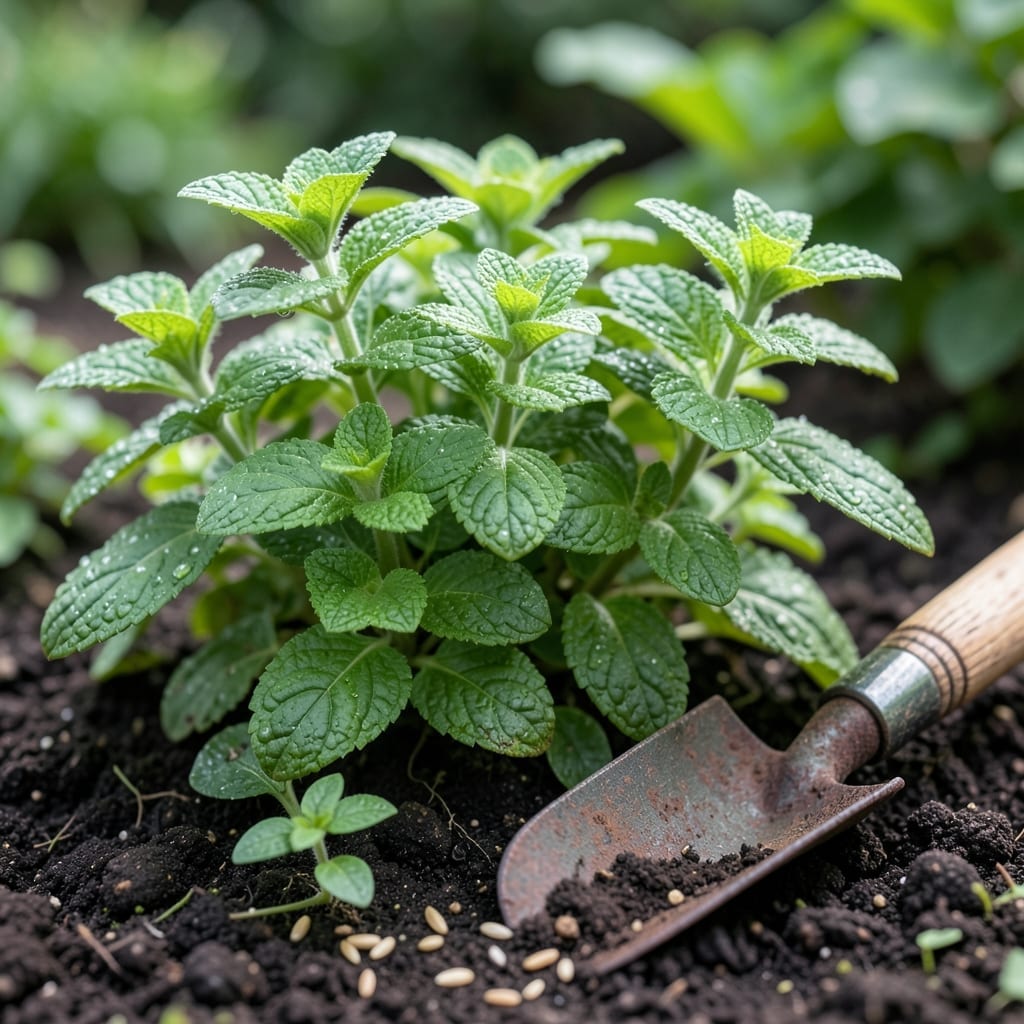
Mint spreads faster than gossip at a family reunion. I learned this the hard way after planting it directly in the ground—now it pops up everywhere. Container growing is the only way to keep it under control.
Give it partial shade, moist soil, and a pot with drainage holes, and you’ll have lush growth in 3-4 weeks. The secret is consistent moisture without waterlogged roots. Simple, but requires vigilance.
📚 In This Guide
Here’s the method I trust for vibrant, fast-growing mint every season.
Mint thrives in partial to full sun, but I’ve found it tolerates partial shade better than most herbs. Choose a spot that gets at least 4-6 hours of direct sunlight daily. The soil should be rich, moist, and well-draining—mint roots rot easily in waterlogged conditions.
If your garden has heavy clay soil, amend it with compost before planting. I always test drainage by digging a 1-foot-deep hole, filling it with water, and checking if it empties within 1 hour. If not, work in organic matter to improve flow.
Loosen the soil to a depth of 12-15 inches and mix in a generous layer of compost or well-rotted manure. Mint prefers slightly acidic to neutral soil (pH 6.0-7.0). A soil test kit helps, but I rely on the fact that mint is forgiving—it grows aggressively even in less-than-ideal conditions.
Real talk: mint spreads voraciously via underground runners. If you’re planting directly in the ground, consider burying a 12-inch-deep edging around the bed to contain it. Otherwise, you’ll find it popping up in unwanted areas within a season.
Space plants 18-24 inches apart to give them room to expand. Dig a hole slightly larger than the root ball, place the plant in, and backfill with soil. Press down gently to remove air pockets, then water thoroughly to settle the soil around the roots.
For container planting, choose a pot at least 12 inches wide with drainage holes. Mint’s roots are shallow but spread wide, so a broad container works better than a deep one. I use unglazed terra cotta—it breathes and prevents waterlogging.
Keep the soil consistently moist but not soggy. Water when the top inch of soil feels dry to the touch. Mint wilts dramatically when thirsty but recovers quickly once watered. I water deeply 2-3 times per week in hot weather, reducing to once weekly during cooler periods.
Apply a 2-3 inch layer of organic mulch around the base to retain moisture and suppress weeds. Straw, shredded leaves, or grass clippings work well. Avoid plastic mulch—it traps too much moisture and can lead to root rot in mint’s dense foliage.
Pinch back the tips of new growth every 2-3 weeks to encourage branching. This prevents the plant from becoming leggy and promotes thicker, fuller growth. I start this practice as soon as the plant reaches 6 inches tall, using clean, sharp shears for each cut.
Harvest leaves regularly once the plant is established. The more you harvest, the more it grows. Cut stems just above a leaf node, and new growth will emerge from that point. Never remove more than one-third of the plant at a time to avoid stressing it.
Small adjustments make the difference between struggling plants and a thriving mint patch.
Sunlight Strategy: That 4-6 hours of direct sunlight in Step 1 is non-negotiable for robust growth. I’ve seen mint tolerate partial shade, but it becomes leggy and less fragrant. If your space only gets morning sun, prioritize the eastern exposure—it’s gentler and prevents afternoon wilting.
Drainage Test Refined: The 1-hour drainage test in Step 1 isn’t just a suggestion—it’s your early warning system. If water pools beyond that hour, your mint’s roots will suffocate. I’ve lost entire beds by skipping this, so amend clay soil with compost until that hole drains within the hour, no exceptions.
Containment Hack: That 12-inch-deep edging in Step 2 isn’t just for neatness—it’s survival. Mint’s runners travel horizontally at breakneck speed. Burying edging or using bottomless pots sunk into the ground are the only ways I’ve successfully kept it from overtaking my vegetable garden.
Pruning Precision: Starting the 2-3 week pinching in Step 5 when plants hit 6 inches tall forces bushier growth. I use this timing religiously, and my mint now produces three times the harvestable leaves. The key is consistency—set a calendar reminder if you’re forgetful like I used to be.
The ideal time is in spring after the last frost or early fall for cooler climates. Mint thrives in mild temperatures (55–70°F) and establishes well before extreme heat or cold.
Yes! Place it in a sunny windowsill (4–6 hours of light daily) and use well-draining soil. Keep the soil moist but not soggy, and rotate the pot occasionally for even growth.
Overwatering, poor drainage, or nutrient deficiencies are common causes. Check soil moisture (let it dry slightly between waterings) and ensure the pot has drainage holes.
Plant it in containers or use underground barriers to control its invasive roots. Regularly prune runners and harvest leaves to discourage aggressive growth.
Basil, lemon balm, or cilantro offer fresh, herbaceous flavors. For a minty twist, try peppermint-infused vinegar or dried mint leaves in smaller quantities.