
Beautiful Plants For Your Interior
Beautiful Plants For Your Interior
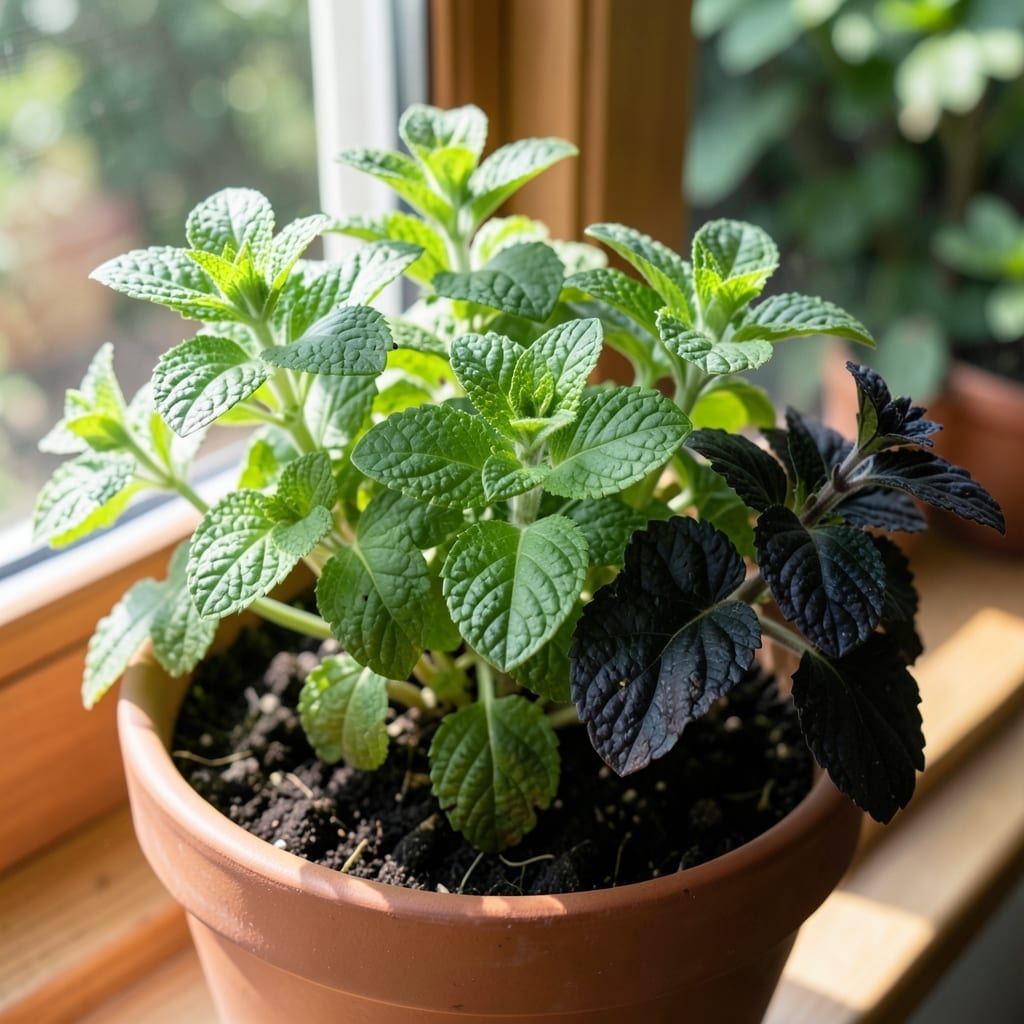
Black spots on mint leaves mean trouble, but it’s usually fixable. 🌱 I’ve saved countless mint plants by catching the early signs—wilted edges, dark patches, or a musty smell—and acting fast.
This often starts with too much water or poor drainage. Mint hates soggy roots, and standing water invites fungal issues that spread quickly. Sometimes pests or even sunburn are the culprits.
With a few adjustments—like better airflow or a simple fungicide—your plants can bounce back in a week or two. The key is addressing the root cause, not just the symptoms.
Works for potted mint, garden beds, or indoor setups. Here’s how to diagnose and fix it.
Mint leaves turning black is often a sign of stress or disease, and understanding the root cause is key to reviving your plant. Here are the most common culprits, explained simply:
Fungi like Puccinia menthae (mint rust) thrive in damp, poorly ventilated conditions. They appear as dark spots that spread, eventually blackening leaves. Overhead watering or crowded plants worsen the issue. Action: Remove infected leaves, improve airflow, and apply a copper-based fungicide.
Mint loves moisture but hates soggy roots. Overwatering suffocates roots, leading to Phytophthora or Pythium infections. Symptoms include yellowing leaves that turn black as tissues die. Action: Let the top inch of soil dry between waterings and ensure pots have drainage holes.
Sudden temperature drops (below 40°F/4°C) or extreme heat (above 90°F/32°C) can cause cell damage, manifesting as blackened, crispy leaves. Mint prefers stable, mild conditions. Action: Move potted mint indoors during cold snaps or provide shade in scorching weather.
Sap-sucking pests like aphids and spider mites weaken plants, and their honeydew residue fosters sooty mold—a black fungal coating. Check leaf undersides for tiny bugs or webbing. Action: Blast pests off with water or use insecticidal soap.
Over-fertilizing, especially with nitrogen-heavy feeds, can burn roots and leaves, causing blackening at the tips or edges. Action: Flush the soil with water to remove excess salts and reduce fertilizer frequency.
Here’s how to tackle blackening mint leaves based on the root cause, plus tips to keep your plant thriving long-term.
Fix: Remove affected leaves immediately with clean scissors to prevent spread. Treat the plant with a copper-based fungicide or a DIY mix of 1 tsp baking soda + 1 quart water + a few drops of dish soap. Spray evenly on leaves, focusing on undersides. Repeat every 5–7 days until the issue clears.
Prevention: Improve airflow by spacing plants 12–18 inches apart. Water at the base (not overhead) to keep foliage dry. 💡 Pro tip: Use a drip irrigation system for consistent, leaf-free watering.
Fix: Stop watering immediately and let the soil dry out. If the pot lacks drainage, repot the mint into a container with holes, using fresh, well-draining potting mix. Trim any black, mushy roots with sterilized shears.
Prevention: Water only when the top inch of soil feels dry. Use a pot with drainage holes and a saucer to catch excess. ✨ Bonus: Add perlite to the soil mix to boost drainage.
Fix: Move potted mint to a shadier spot if leaves are scorched from sun. For cold damage, bring plants indoors or cover them with frost cloth. Prune blackened leaves to redirect energy to healthy growth.
Prevention: Mint thrives in partial shade (4–6 hours of morning sun). In hot climates, provide afternoon shade. In cold areas, grow mint in containers you can move indoors before frost. 🎯 Ideal temp: 55–70°F (13–21°C).
Fix: Wipe leaves with a neem oil solution (1 tbsp neem oil + 1 tsp dish soap + 1 quart water) to smother aphids or spider mites. For severe cases, use insecticidal soap. Remove heavily infested leaves and dispose of them in sealed bags.
Prevention: Inspect plants weekly for pests, especially on leaf undersides. Introduce beneficial insects like ladybugs. 🔥 Quick check: Shake a leaf over white paper—if tiny bugs fall, it’s time to treat!
No, blackened leaves won’t turn green again. Remove them to prevent spreading disease. Healthy growth will replace them once the underlying issue is fixed.
Water when the top 1 inch of soil feels dry. Typically 2-3 times per week in warm weather, less in cooler months. Always use pots with drainage holes.
Yes, fungal infections and pests can spread. Isolate affected mint immediately and avoid touching other plants until you’ve washed your hands.
Prune black leaves, improve drainage, and treat with neem oil or fungicide. Most plants recover in 1-2 weeks with proper care.