
Beautiful Plants For Your Interior
Beautiful Plants For Your Interior
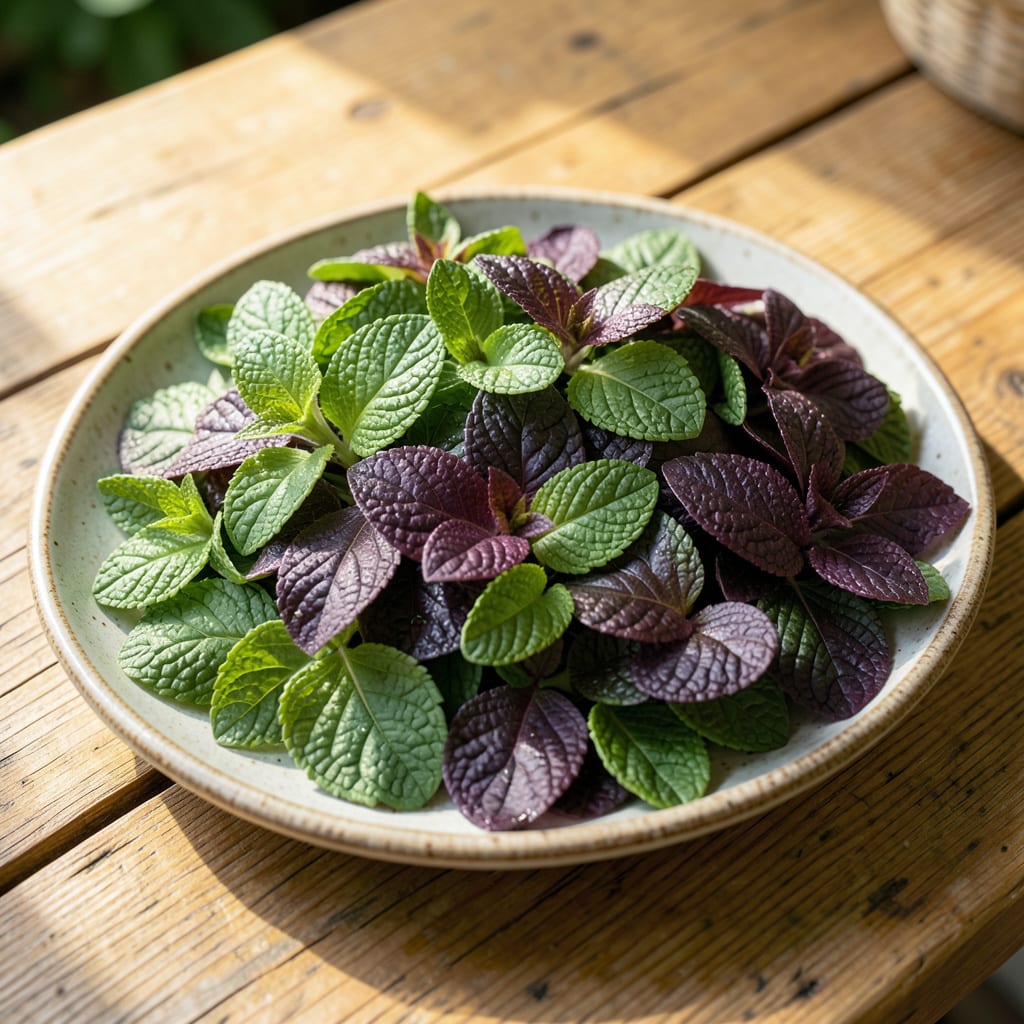
Purple mint leaves stopped me in my tracks last summer. That deep color might look dramatic, but it’s usually your plant waving a red flag about its needs.
Most often it’s a phosphorus deficiency or too much direct sun scorching the foliage. Sometimes it’s cold stress or even a fungal issue creeping in. The good news? With a few adjustments, your mint can bounce back to its usual vibrant green.
I fixed mine by adjusting the fertilizer mix and moving pots to partial shade. Within weeks, new growth returned to normal color, and the purple leaves gradually dropped off.
Works for garden beds or containers, and the same fixes apply to most herb varieties. Here’s what to watch for.
Mint leaves turning purple often signal underlying stress or imbalances in the plant’s environment or care. Below are the most common causes, explained with actionable insights.
A lack of phosphorus (a key macronutrient) can trigger purple discoloration, especially on older leaves. Phosphorus supports energy transfer and root development. In acidic or cold soils, this nutrient becomes less available. Test your soil—if pH is below 6.0, amend with bone meal or a balanced fertilizer to restore balance.
While mint thrives in bright light, intense direct sunlight (especially in hot climates) can stress the plant, leading to purple or red-tinged leaves. This is a survival response: anthocyanin pigments build up to shield cells from UV damage. Solution: Provide afternoon shade or move potted mint to a spot with dappled light.
Sudden temperature swings—cold snaps below 50°F (10°C) or heatwaves above 90°F (32°C)—can disrupt chlorophyll production, causing leaves to turn purple. Mint prefers stable conditions between 55–75°F (13–24°C). Protect plants with row covers in spring/fall or mulch to insulate roots.
Soggy soil suffocates roots, reducing oxygen uptake and nutrient absorption. This stress manifests as purple leaves, often accompanied by wilting. Check drainage: Ensure pots have holes, and use well-draining soil. Water only when the top inch of soil is dry.
Diseases like mint rust or Puccinia menthae can cause purple spots or discoloration. Fungi thrive in humid, crowded conditions. Prevent spread by spacing plants, improving airflow, and removing infected leaves. Apply copper-based fungicides if needed.
If your mint leaves are turning purple, don’t panic—most causes are fixable with a few simple adjustments. Below are targeted solutions for the most common issues, along with prevention tips to keep your mint thriving.
Purple leaves often signal a phosphorus deficiency. Use a balanced, water-soluble fertilizer (10-10-10 or 5-10-5 NPK) and apply every 2–4 weeks during the growing season. For organic gardeners, bone meal or compost tea are great phosphorus boosters. Prevention tip: Test soil annually and amend with organic matter before planting.
Too much direct sun can scorch leaves, while too little causes weak growth. Move potted mint to partial shade (4–6 hours of morning sun) or use shade cloth (30–40% density) for outdoor beds. If growing indoors, place near a south-facing window or use a grow light for 12–14 hours daily. Prevention tip: Rotate potted mint weekly for even light distribution.
Overwatering leads to root rot, while underwatering causes stress. Water when the top inch of soil feels dry, and ensure pots have drainage holes. For garden beds, mulch with straw to retain moisture. Prevention tip: Use a moisture meter to avoid guessing—mint prefers consistently moist (not soggy) soil.
Sudden cold snaps or heatwaves can trigger purple discoloration. Shield plants with frost cloth in cold weather or move pots indoors. In extreme heat, mist leaves in the early morning and provide afternoon shade. Prevention tip: Harden off seedlings gradually before transplanting outdoors.
Check for aphids, spider mites, or fungal infections (like powdery mildew). Spray with neem oil or insecticidal soap for pests, and remove infected leaves promptly. Improve airflow to prevent fungal issues. Prevention tip: Inspect plants weekly and avoid overhead watering.
💡 Pro tip: Regularly pinch back mint to encourage bushier growth and reduce stress-related discoloration!
Not always. Some mint varieties naturally develop purple tinges in cooler weather. But if the color spreads or leaves look stressed, it’s likely a care issue needing attention.
Yes, too much nitrogen can block phosphorus uptake, leading to purple discoloration. Use a balanced fertilizer and follow package instructions carefully.
With proper fixes, new growth should appear green within 2-3 weeks. Existing purple leaves may not recover but will eventually drop off.
