
Beautiful Plants For Your Interior
Beautiful Plants For Your Interior
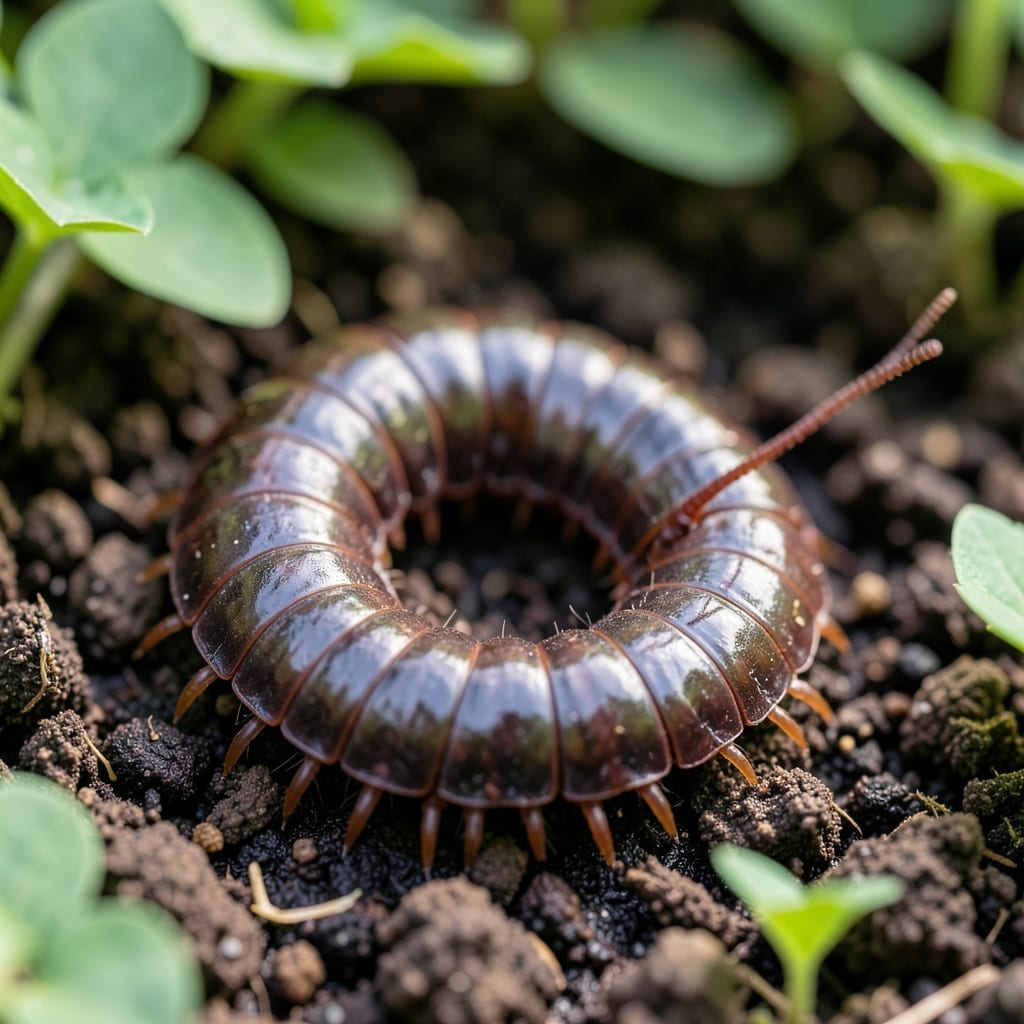
I spotted my first millipede coiled in the soil of my favorite pothos last spring. Tiny, harmless, but unwelcome guests that can multiply fast in damp conditions.
These segmented critters thrive in consistently moist soil, often hitching a ride in fresh potting mix or organic matter. They don’t bite or damage plants, but their presence signals it’s time to adjust your care routine.
With a few simple changes—like adjusting watering habits and improving drainage—you’ll create an environment that’s less appealing to millipedes while keeping your plants happy and healthy.
Natural solutions work best for this common issue, and prevention is easier than you think once you understand what attracts them in the first place.
Millipedes thrive in plant soil due to specific environmental conditions and behaviors. Below are the primary causes, explained with actionable insights.
Millipedes are attracted to damp environments, as they require moisture to survive. Overwatered soil or poor drainage creates ideal breeding grounds. Their exoskeletons lack a waxy layer, so they rapidly dehydrate in dry conditions, driving them toward consistently wet soil. Fix: Adjust watering schedules and ensure pots have drainage holes.
Decaying leaves, mulch, or dead plant matter in soil provides food and shelter. Millipedes feed on decomposing organic material, breaking it down for nutrients. Fix: Regularly remove fallen debris and replace old mulch to disrupt their habitat.
Potted plants moved outside or garden soil used in containers may already harbor millipede eggs or adults. These pests hitchhike in unsterilized soil or through cracks in pots. Fix: Use pasteurized potting mix and inspect plants before bringing them indoors.
In natural ecosystems, predators like birds, beetles, or centipedes keep millipede populations in check. In controlled environments (e.g., indoor pots), these regulators are absent, allowing infestations to grow. Fix: Introduce beneficial nematodes or diatomaceous earth as natural deterrents.
If you’ve spotted millipedes in your plant soil, don’t panic—there are simple, effective ways to evict them and keep them from returning. Below are targeted solutions for the most common causes, along with prevention tips to maintain a millipede-free environment.
Millipedes thrive in damp conditions. If your soil stays soggy, reduce watering frequency and ensure your pots have drainage holes. For existing infestations, let the top 1-2 inches of soil dry out completely between waterings. Use a moisture meter to monitor levels—aim for “slightly dry” rather than “wet.”
Millipedes feed on rotting leaves, wood, and mulch. Remove plant debris from the soil surface and around the pot. Replace old mulch with fresh, dry materials like gravel or cedar chips, which are less appealing to pests. For potted plants, repot with sterile potting mix to eliminate hidden food sources.
Check for cracks in pots or gaps where millipedes might crawl in. Seal entry points with caulk or fine mesh. Elevate pots on stands or saucers to create a barrier. For outdoor plants, apply diatomaceous earth around the base—it’s a natural, non-toxic deterrent that dehydrates pests.
With these steps, your plants—and their soil—will stay healthy and millipede-free!
No, they don’t damage healthy plants or bite. They’re actually beneficial decomposers in outdoor environments. The real issue is their presence indicates overly moist soil conditions that could harm your plants over time.
Look for small, coiled, worm-like creatures on the surface or under the rim of the pot. You might also spot tiny burrow holes or see them when repotting. Check at night with a flashlight—they’re most active then.
Avoid harsh pesticides—they can harm your plants and beneficial soil organisms. Instead, use natural solutions like diatomaceous earth or neem oil. These are effective and safe for most houseplants.