
Beautiful Plants For Your Interior
Beautiful Plants For Your Interior
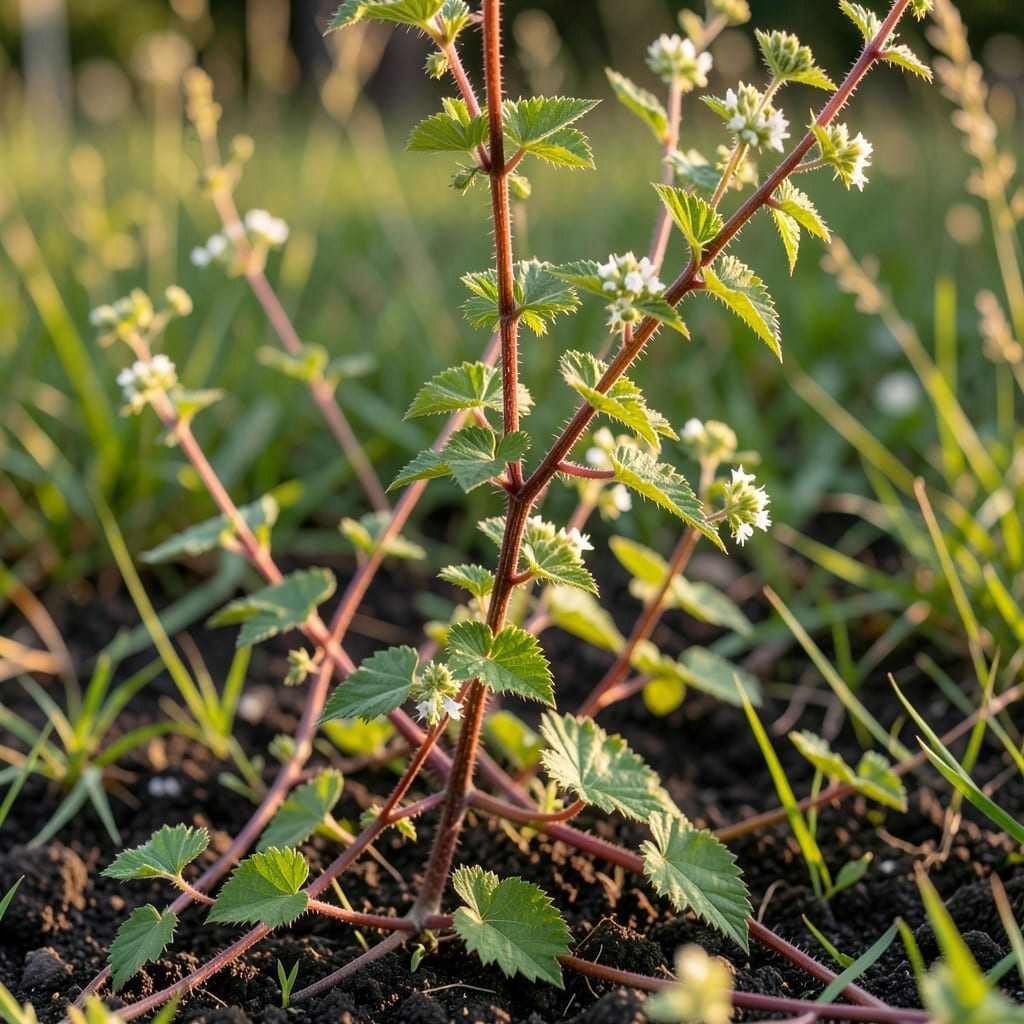
I’ve pulled up more wrong plants than I care to admit. Mile a minute has look-alikes that’ll fool even seasoned gardeners, and grabbing the wrong one wastes time and effort.
The key is in the details: leaf shape, stem texture, and those telltale barbs. What looks like rapid growth might be a harmless native vine instead of the invasive menace you’re targeting.
Once you know the differences, you’ll spot the imposters in seconds. No more second-guessing or accidental removal of plants you actually want to keep.
Works for fields, gardens, or that one corner where weeds always seem to win. Here’s how to tell them apart.
Mile-a-minute weeds (Persicaria perfoliata) have a few sneaky doppelgängers that often lead to misidentification. Here’s why these look-alikes fool even seasoned gardeners:
Mile-a-minute and its imposters, like bindweed or wild buckwheat, share aggressive growth habits. They all spread quickly, forming dense mats that smother other plants. This similar behavior makes them visually comparable, especially in early stages when leaves and vines overlap in shape and size.
Many look-alikes, such as Virginia creeper or honeyvine milkweed, have triangular or heart-shaped leaves like mile-a-minute. The leaf arrangement—alternate or whorled—can also mirror mile-a-minute’s structure, creating confusion. Additionally, some mimics develop ocrea (a papery sheath at leaf nodes), a hallmark of mile-a-minute, but not a unique trait.
Thin, trailing vines with reddish stems are common in mile-a-minute and its counterparts. Morning glory and dodder also produce wiry, climbing stems that tangle around other plants, making them hard to distinguish at a glance. The presence of tiny, curved barbs or prickles on stems—another mile-a-minute feature—can also appear in other invasive vines.
To avoid misidentification, always check for mile-a-minute’s distinctive cup-shaped ocrea and barbed stems, which are less common in true look-alikes.
If you’ve spotted a mile-a-minute look-alike in your garden, don’t panic—here’s how to tackle it. Start by identifying the impostor to avoid misapplying treatments. Then, use these targeted fixes for common issues:
For vining plants like bindweed or honeyvine milkweed, hand-pulling works best for small patches. Grab the base, wear gloves, and remove roots to prevent regrowth. For larger areas, smother the plants with thick cardboard or landscape fabric to block sunlight.
If the look-alike is Japanese honeysuckle or Virginia creeper, selective herbicides (e.g., glyphosate) can help—apply carefully to avoid harming nearby plants. For organic control, consistent cutting weakens the plant over time.
Pro tip: 💡 Always confirm IDs with a local extension office before treating—some look-alikes are beneficial!
Look for the cup-shaped ocrea at leaf nodes—mile-a-minute has these, while Virginia creeper does not. Mile-a-minute also has barbed stems and triangular leaves.
No! Some mimics, like honeyvine milkweed, are native and beneficial. Always verify before removing. Many provide food for pollinators.
Hand-pull small patches, ensuring you remove all roots. For larger areas, smother with cardboard or use targeted herbicides. Persistence is key with this aggressive vine.