
Beautiful Plants For Your Interior
Beautiful Plants For Your Interior
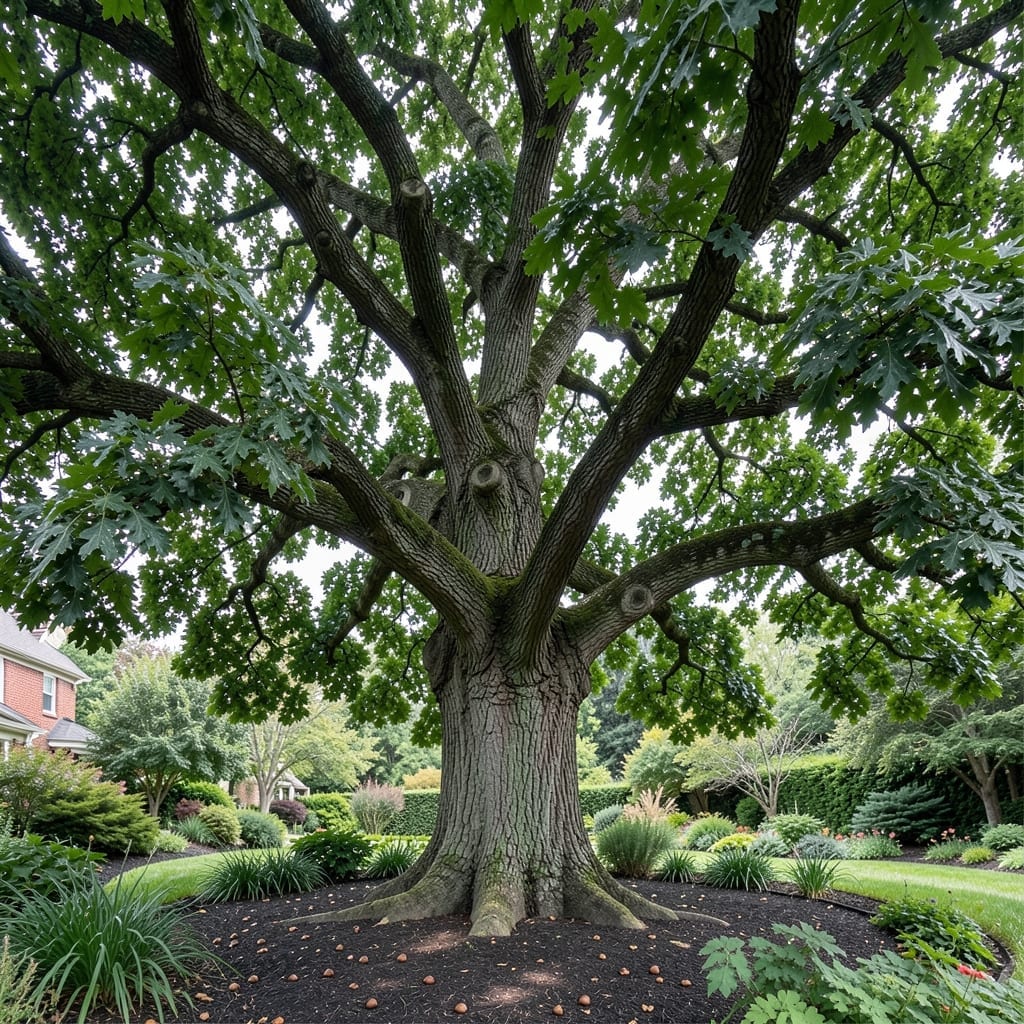
White powder or black spots on your tree leaves aren’t just unsightly—they’re a red flag. I’ve seen mildew turn healthy trees into struggling skeletons in a single season.
This fungus thrives in damp, still air, often after a wet spring. Left unchecked, it weakens trees by blocking sunlight and stealing nutrients from the leaves.
Here’s the thing—early action saves trees. Simple fixes like improving airflow or applying the right spray can stop the spread before it takes over.
By the end of this, you’ll spot the first signs and know exactly how to respond before real damage is done.
Mildew on trees often stems from environmental and biological factors that create ideal conditions for fungal growth. Below are the primary causes, each with actionable insights to help you understand and address the issue.
Prolonged dampness is a leading cause of mildew. Trees in poorly drained soil or those frequently exposed to overhead irrigation, rain, or high humidity provide the perfect breeding ground for fungal spores. Stagnant water on leaves or bark accelerates spore germination, leading to visible mildew patches. To mitigate this, improve air circulation around the tree and avoid watering late in the day.
Dense canopies or overcrowded planting restrict airflow, trapping moisture and creating a humid microclimate. Crowded branches also limit sunlight penetration, which can inhibit the natural drying process. Prune nearby vegetation and thin out dense foliage to enhance ventilation and reduce mildew risk.
Fallen leaves, twigs, and other organic matter accumulating around the base of a tree or in its branches can harbor fungal spores. Decomposing plant material not only retains moisture but also provides nutrients for mildew to thrive. Regularly remove debris and maintain a clean area around the tree trunk to minimize spore survival.
Mildew flourishes in moderate temperatures, typically between 60°F and 80°F (15°C and 27°C). Rapid temperature swings, especially in spring and fall, can stress trees and make them more susceptible to fungal infections. Monitoring weather patterns and providing consistent care can help trees withstand these fluctuations.
Mildew on trees can be managed with the right approach. Below are targeted solutions based on the most common causes, along with prevention tips to keep your trees healthy and resilient.
Mildew thrives in damp conditions. Trim nearby branches to allow sunlight and air to reach the affected areas. If the tree is in a low-lying spot, improve drainage by amending the soil with organic matter or creating a slight slope away from the trunk. Water trees at the base in the morning to give foliage time to dry during the day.
Overcrowded branches trap moisture and limit airflow. Remove diseased, dead, or crossing branches using sterilized pruning tools. Cut at a 45-degree angle just outside the branch collar to promote healing. Thin out dense canopies to reduce humidity within the tree.
💡 Pro Tip: Always disinfect pruning tools with rubbing alcohol between cuts to prevent spreading spores.
A stressed tree is more susceptible to mildew. Boost its defenses by fertilizing with a balanced, slow-release formula in early spring. Mulch around the base (keeping it 2-3 inches away from the trunk) to retain moisture and regulate soil temperature. Ensure the tree receives adequate water, especially during dry spells.
For severe cases, use a copper-based fungicide or neem oil, following label instructions carefully. Apply in the early stages of infection or as a preventive measure in humid seasons. Always wear protective gear and apply during calm, dry weather for best results.
Look for white powdery spots or black sooty patches on leaves and branches. Leaves may also curl, yellow, or drop prematurely. Early detection is key to preventing spread.
Yes, fungal spores can spread via wind, rain, or gardening tools. Keep infected trees isolated and clean your tools after pruning to protect nearby plants.
A baking soda solution (1 tablespoon per gallon of water) can help mild cases. For severe infections, copper-based fungicides or neem oil are more reliable solutions.
Rarely, but severe untreated cases weaken trees over time. Young, stressed, or already diseased trees are at higher risk. Act quickly to restore health.