
Beautiful Plants For Your Interior
Beautiful Plants For Your Interior
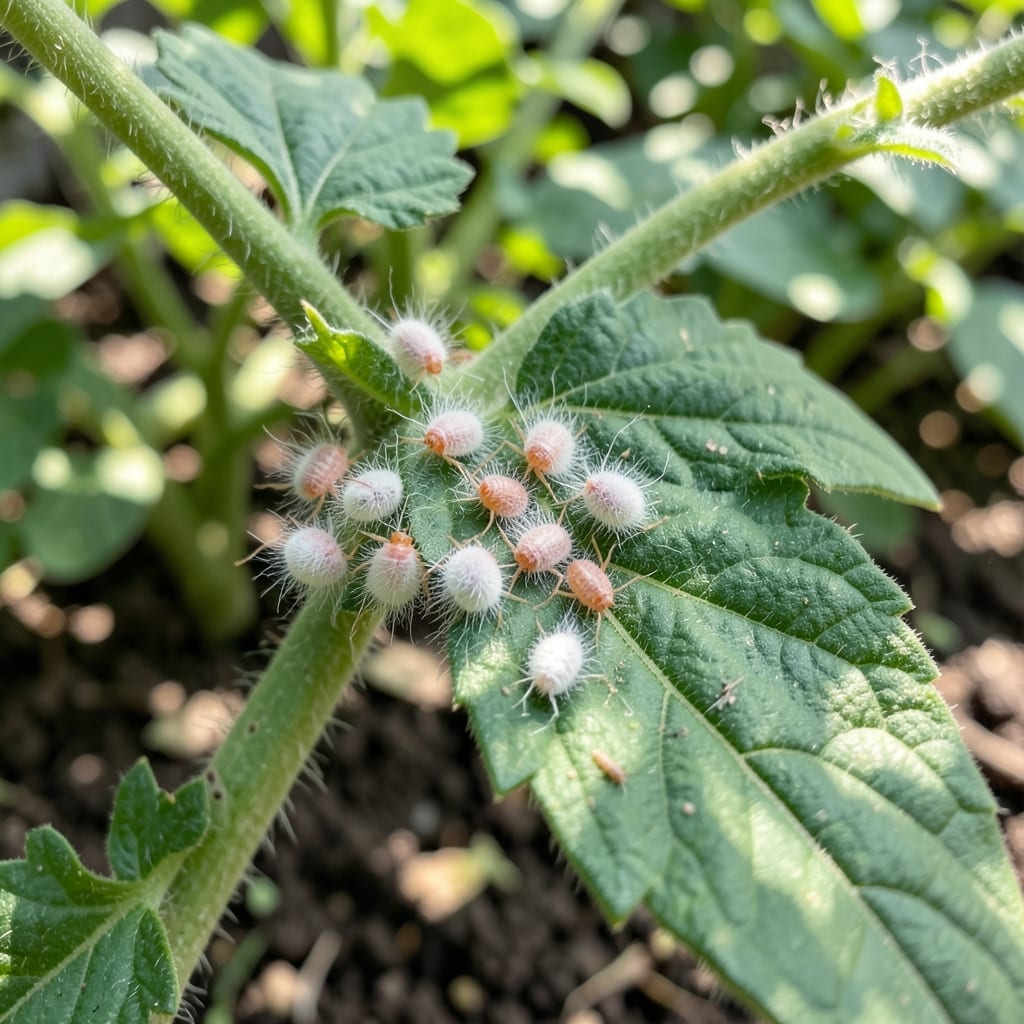
White fuzz on your veggies means mealybugs have moved in. I’ve battled these pests on tomatoes, peppers, and squash—always when I least expect it.
They suck plant juices, weaken growth, and leave sticky residue that attracts mold. The damage spreads fast if you ignore it, but early action saves your crop.
Organic removal works. A cotton swab dipped in rubbing alcohol wipes them out on contact, and insecticidal soap stops larger infestations without chemicals.
Prevention keeps them from returning: inspect plants weekly, remove debris, and encourage ladybugs—their natural predators.
Mealybugs thrive on vegetable plants due to a combination of environmental, cultural, and biological factors. Understanding these triggers helps prevent outbreaks before they start.
Mealybugs reproduce rapidly in temperatures between 70–90°F (21–32°C) with low humidity. These conditions dry out plant tissues, making them more susceptible to infestation. Greenhouses and indoor gardens are especially vulnerable unless humidity is controlled.
Stressed or weakened plants—caused by overwatering, underwatering, or nutrient deficiencies—emit signals that attract mealybugs. High nitrogen levels (from over-fertilizing) also promote soft, succulent growth, which these pests prefer.
Dense plantings with poor air circulation create ideal hiding spots for mealybugs. Stagnant air traps moisture and heat, accelerating their life cycle. Pruning and proper spacing disrupt their environment.
Mealybugs often hitchhike on ants, which farm them for honeydew, or spread from infested neighboring plants. Ants protect mealybugs from predators, so controlling ants is key to breaking the cycle.
Reusing unsterilized pots, soil, or gardening tools can introduce mealybug eggs or nymphs. Always sanitize equipment and use fresh, pasteurized potting mix for seedlings.
Tackle mealybugs on your vegetable plants with these straightforward, organic solutions. Each approach targets specific issues while keeping your garden healthy and chemical-free.
Stick to these methods, and your vegetable plants will bounce back—stronger and pest-free!
They appear as small, white, cottony clusters on stems, leaf joints, and undersides. Adults are 1/8 to 1/4 inch long with a waxy coating, while nymphs look like tiny white dots.
Yes, they move quickly between plants, especially in warm, crowded gardens. Isolate infested plants immediately to prevent further spread.
Inspect your vegetable plants weekly, focusing on hidden areas like leaf axils and stem joints. Early detection makes treatment much easier.
No, they’re harmless to humans but can severely damage plants by sucking sap and spreading sooty mold. Always wash produce thoroughly before eating.