
Beautiful Plants For Your Interior
Beautiful Plants For Your Interior
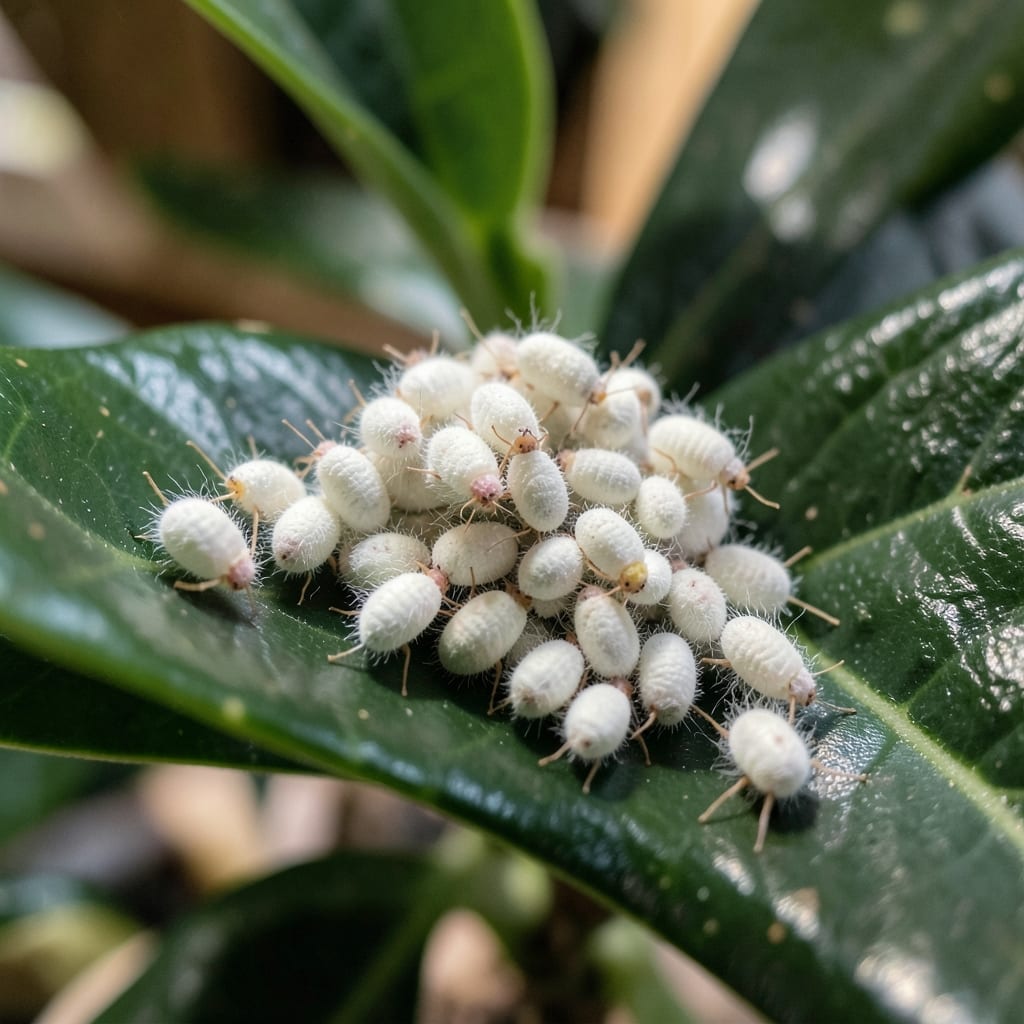
White fuzzy spots on your rubber plant leaves? That’s mealybugs, and they spread fast if you don’t act. I lost a favorite plant to these pests before learning the right way to fight back.
Neem oil is my go-to solution—it’s non-toxic, effective, and won’t harm your plant when used correctly. A few treatments, and those bugs won’t stand a chance.
The key is catching them early. Check under leaves and along stems weekly. Once you spot them, isolate the plant to stop the infestation from spreading to others.
This method works for most houseplants, not just rubber plants. Consistency is what saves your greenery.
Mealybugs thrive on rubber plants due to specific environmental and care-related factors. Understanding these causes helps prevent infestations and keeps your plant healthy. Below are the most common triggers:
Excess moisture creates a humid environment that mealybugs love. Rubber plants (Ficus elastica) prefer well-draining soil, and soggy conditions weaken the plant, making it more susceptible to pests. Ensure pots have drainage holes and avoid letting water pool in saucers.
Stagnant air around dense foliage provides an ideal breeding ground for mealybugs. Rubber plants in crowded spaces or with limited airflow trap humidity, encouraging pest proliferation. Regularly prune overgrown leaves and place plants in areas with gentle air movement.
Excess nitrogen from heavy feeding promotes soft, succulent growth—perfect for mealybugs to pierce and feed on. Stick to a balanced, diluted fertilizer and follow a consistent schedule to avoid overfeeding.
Rubber plants under stress (e.g., low light, temperature fluctuations, or transplant shock) produce fewer defensive compounds, making them easier targets. Maintain stable conditions and avoid sudden changes in care to keep your plant resilient.
Mealybugs often hitchhike on unsterilized tools, pots, or newly introduced plants. Always quarantine new additions for 2–3 weeks and disinfect pruning tools with rubbing alcohol to prevent cross-contamination.
Mealybugs can be stubborn, but these targeted solutions will help you reclaim your rubber plant’s health. Address the issue based on its severity and your preferred method.
If you spot just a few mealybugs, act fast with these steps:
For larger outbreaks, neem oil is your best non-toxic ally:
Pro tip: Yellow sticky traps can help monitor and catch stray mealybugs before they multiply! ✨
Look for white, cottony clusters in leaf axils, under leaves, or along stems. You might also notice sticky residue or yellowing leaves.
A mild soap solution (1 tsp per quart of water) can work for light infestations. Spray, wait 10 minutes, then rinse. Repeat weekly until gone.
Missed eggs or hidden bugs in soil often cause reinfestation. Always treat the entire plant, including the pot, and isolate for 2-3 weeks.
Yes, 70% isopropyl alcohol is safe when applied with a cotton swab directly to bugs. Avoid over-saturating leaves to prevent damage.