
Beautiful Plants For Your Interior
Beautiful Plants For Your Interior
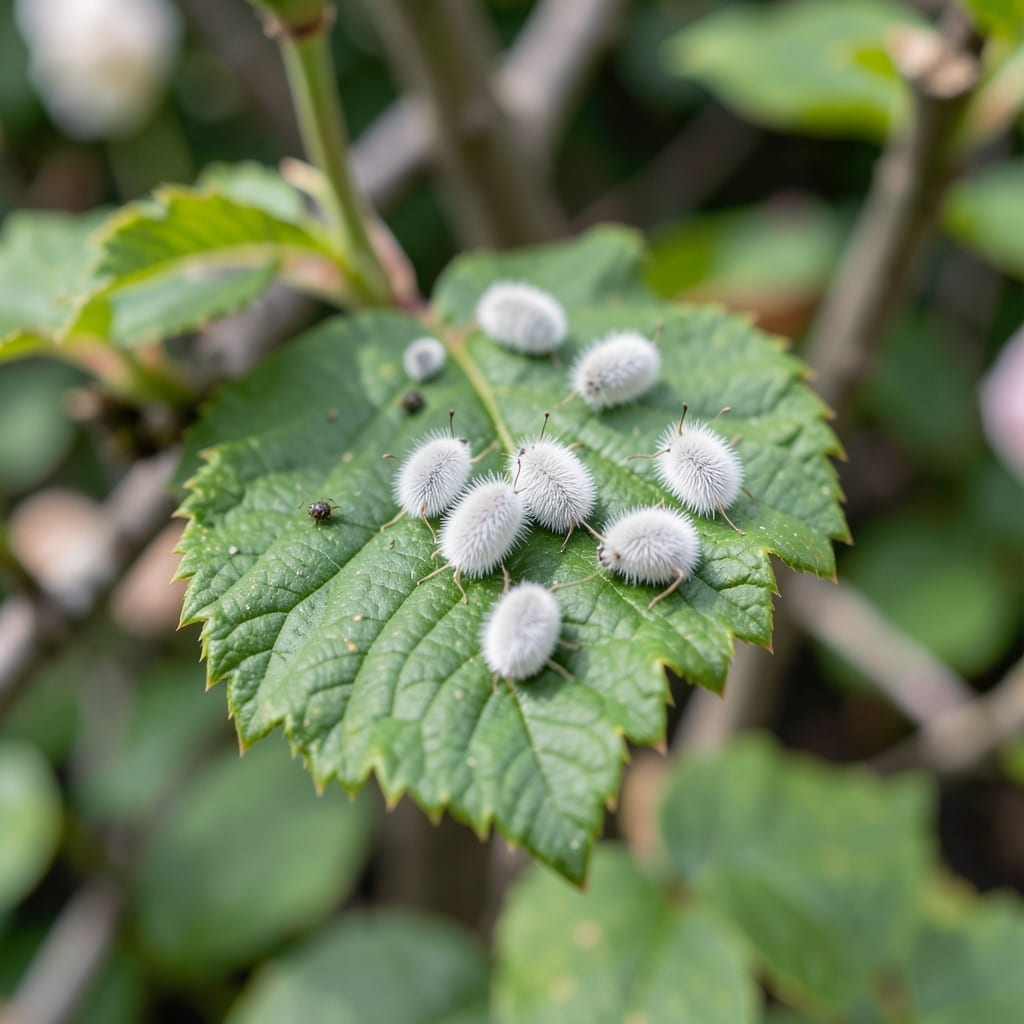
White cottony clusters on your Rose of Sharon leaves mean trouble. 🌿 I spotted mealybugs on mine last summer and nearly lost the plant before figuring out the fix.
These pests drain the life from stems and leaves, leaving your blooms weak and stunted. The good news is, organic treatments work fast and don’t harm beneficial insects.
You’ll see healthier leaves within days of treatment, and full recovery follows with consistent care. The key is catching them early before they spread.
Works for established plants and new growth alike. Here’s how to reclaim your garden’s star performer.
Mealybugs thrive on Rose of Sharon (Hibiscus syriacus) due to a mix of environmental, biological, and cultural factors. Understanding these triggers helps you prevent and manage infestations effectively.
Stressed plants, especially those in dense groupings, emit volatile organic compounds (VOCs) that attract mealybugs. Overwatering, poor drainage, or nutrient deficiencies weaken the plant’s natural defenses, making it a prime target. Mealybugs exploit this vulnerability, feeding on sap and further stressing the plant.
Mealybugs flourish in temperatures between 70–90°F (21–32°C) with high humidity (60%+). Rose of Sharon, often grown in warm climates, provides an ideal microclimate—especially in shaded, poorly ventilated areas where moisture lingers. These conditions accelerate their reproduction cycle, leading to rapid infestations.
In balanced ecosystems, predators like ladybugs, lacewings, and parasitic wasps keep mealybug populations in check. However, broad-spectrum pesticide use or monoculture planting (e.g., rows of Rose of Sharon without companion plants) can eliminate these beneficial insects. Without predators, mealybugs multiply unchecked.
Improper pruning, excessive nitrogen fertilization, or ignoring early signs of pests creates an open invitation. Soft new growth (spurred by over-fertilizing) is mealybugs’ favorite food. Meanwhile, neglected debris or old mulch near the base provides hiding spots for their egg sacs.
Mealybugs can be stubborn, but targeted action can restore your Rose of Sharon’s health. Below are practical fixes for each common cause, along with prevention tips to keep these pests at bay.
Trim dense growth to improve airflow and reduce hiding spots for mealybugs. Use sterilized pruning shears to remove heavily infested branches, and space plants to discourage future outbreaks. Prevention tip: Regularly thin out branches to maintain good air circulation.
Strengthen your Rose of Sharon by ensuring it gets 6+ hours of sunlight daily and consistent watering (avoid soggy soil). Apply a balanced organic fertilizer to improve vigor, making the plant less susceptible to pests. Prevention tip: Mulch around the base to retain moisture and reduce stress.
Mix 1 tbsp neem oil + 1 tsp dish soap + 1 quart water and spray thoroughly on both sides of leaves, focusing on cottony clusters. Reapply every 5–7 days until mealybugs are gone. Prevention tip: 💡 Spray preventatively in early spring to deter new infestations.
Catch mealybugs early by inspecting leaves weekly. Use a cotton swab dipped in rubbing alcohol to dab and remove visible pests. For larger clusters, wipe leaves with a soapy water solution. Prevention tip: Quarantine new plants for 2 weeks to avoid introducing pests.
They appear as small, white, cottony clusters on leaves, stems, and buds. Often found in leaf axils or undersides, they resemble tiny bits of cotton wool.
Incomplete treatment or hidden egg sacs allow reinfestation. Always treat thoroughly and repeat every 5–7 days to break their life cycle.
Yes! Dab visible pests with a cotton swab dipped in 70% isopropyl alcohol. This kills on contact but may need multiple applications for full control.
No, neem oil is safe when used correctly. Always mix with water and soap as directed, and spray in the evening to avoid leaf burn from sun exposure.