
Beautiful Plants For Your Interior
Beautiful Plants For Your Interior
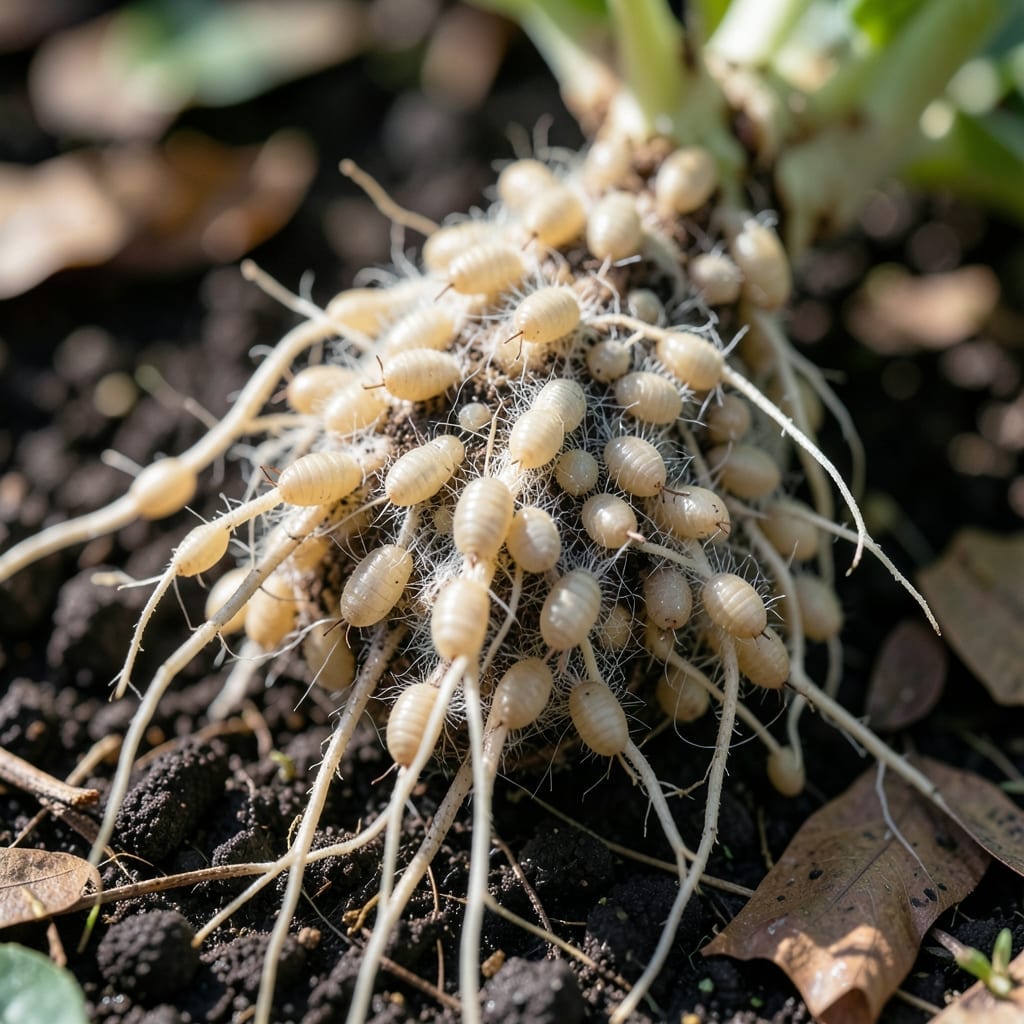
White fuzzy clusters on your pond plant roots spell trouble. I first spotted mealybugs during a routine check, their cottony masses clinging to the crown like bad decor.
These pests drain plant vitality, turning lush growth into yellowing, stunted specimens. The worst part? They spread fast in moist pond environments where roots stay hidden from view.
Early catches mean simple fixes with targeted removal. Left unchecked, they’ll overwhelm your plants and hitch rides to neighbors. I’ve saved collections with a sharp eye and quick action.
Here’s how to spot, treat, and prevent these root invaders before they take over your water garden.
Mealybugs on roots don’t appear out of nowhere—they thrive under specific conditions. Understanding the causes helps you prevent and control infestations effectively.
Mealybugs love warm, moist conditions, especially in pond ecosystems. Temperatures between 70–80°F (21–27°C) combined with high humidity create the perfect breeding ground. In ponds, stagnant water or poor aeration can amplify these conditions, encouraging mealybugs to settle on roots where moisture is abundant.
When pond plants are overcrowded, air circulation is reduced, and stress levels rise. Weak or stressed plants release volatile organic compounds that attract pests like mealybugs. Additionally, dense foliage provides shelter and shade, making it easier for these pests to go unnoticed while they feed on roots.
Decaying organic matter, such as fallen leaves or uneaten fish food, enriches the water with nutrients that mealybugs find appealing. High levels of nitrates and phosphates in the water can indirectly support mealybug populations by promoting algae and biofilm, which they use as secondary food sources before moving to plant roots.
Mealybugs often hitch a ride on newly introduced plants or contaminated tools. If you’ve recently added plants to your pond without quarantining them, you may have unwittingly introduced mealybugs. Similarly, using unsterilized pruning shears or nets can transfer pests from one area to another, spreading the infestation to healthy roots.
Mealybugs on roots can be stubborn, but targeted solutions can restore your pond plants to health. Below are practical fixes for common causes, along with prevention tips to keep these pests from returning.
If the growing medium is teeming with mealybugs, remove the plant from the pond and gently rinse the roots under running water to dislodge pests. Replace the substrate with fresh, sterilized soil or sand. For severe cases, soak roots in a 1:10 neem oil and water solution for 30 minutes before replanting.
Dense plantings create hiding spots for mealybugs. Thin out your pond plants to improve airflow and reduce humidity, which discourages pest growth. Space plants at least 6–12 inches apart, depending on their mature size. Regularly prune dead or yellowing leaves to eliminate potential breeding grounds.
Stagnant or nutrient-rich water attracts mealybugs. Test your pond water for pH and ammonia levels, aiming for a neutral pH (6.5–7.5). Install a small water filter or fountain to improve circulation. Avoid over-fertilizing, as excess nutrients can fuel pest populations.
With consistency, these steps will help you eliminate mealybugs and maintain a thriving pond ecosystem. 💡
Look for white, cottony clusters on root surfaces or crowns. Early signs include sticky residue or black sooty mold on nearby foliage. Regularly check roots during plant maintenance.
Severe infestations can weaken and eventually kill plants by draining sap. Small populations cause stunted growth and yellowing first. Act quickly to prevent irreversible damage.
Avoid harsh chemicals near aquatic life. Use neem oil or insecticidal soap instead. Always remove infested plants from the pond before applying any treatment.
With proper treatment, plants typically show improvement in 2-4 weeks. Full recovery may take a growing season. Prevent re-infestation by maintaining good pond hygiene.