
Beautiful Plants For Your Interior
Beautiful Plants For Your Interior
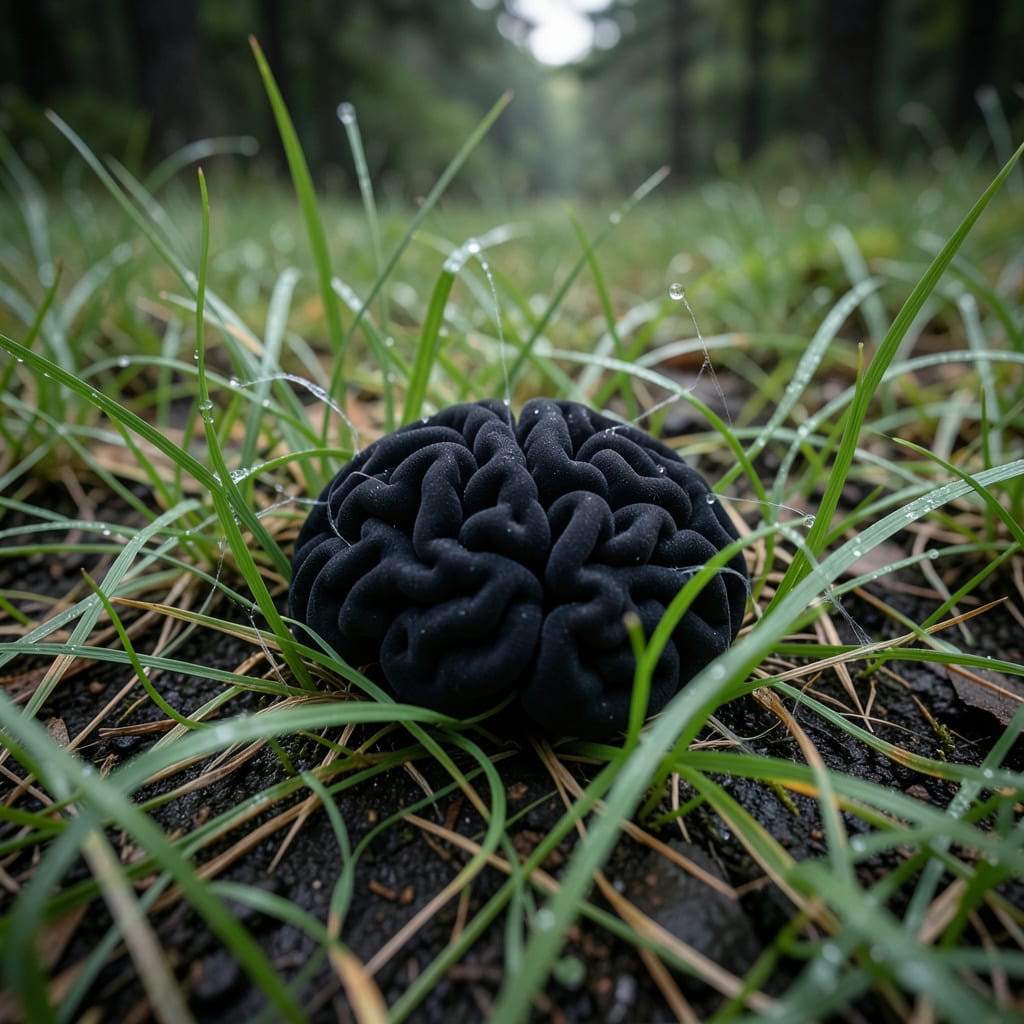
That weird black stuff on your lawn isn’t killing your grass—it’s just using it as a host. Slime mold and black fungus appear overnight, turning patches dark and alarming, but they’re more gross than harmful.
I’ve seen this pop up after wet springs and humid summers. The good news? Your grass is still alive under there. These organisms thrive in thick thatch and damp conditions, often after heavy rain or poor drainage.
Removal is simple: rake it up, improve airflow, and let the lawn dry out. For stubborn cases, a light dethatching and aeration break the cycle. No chemicals needed for most situations.
Prevention means keeping grass short, removing debris, and watering early so the surface dries by noon. Your lawn bounces back faster than you’d think.
Slime mold black fungus on grass isn’t actually a true fungus—it’s a fascinating organism that thrives under specific conditions. Here’s why it appears in your lawn:
Slime molds love damp environments. Heavy rainfall, overwatering, or poor drainage creates the perfect breeding ground. When grass stays wet for extended periods, these organisms emerge to decompose organic matter, often appearing as black, powdery, or slimy patches.
Thatch, dead leaves, and grass clippings provide a feast for slime molds. If your lawn has a thick layer of undecayed organic material, it invites these organisms to grow. Regular dethatching and cleanup can starve them out.
Slime molds thrive in temperatures between 50–90°F (10–32°C) with high humidity. Spring and early summer are prime seasons for outbreaks, especially in shaded, poorly ventilated areas where moisture lingers.
Thin, stressed, or compacted turf is more susceptible. Healthy, dense grass competes with slime molds for space and resources. Aerating and overseeding can strengthen your lawn’s defenses.
While slime mold isn’t harmful to grass, its presence signals underlying issues like poor drainage or excess thatch. Addressing these root causes will keep your lawn mold-free.
Tackling slime mold or black fungus on your grass starts with identifying the cause and applying the right fix. Here’s a practical guide to restoring your lawn’s health.
If your lawn stays soggy, slime mold and black fungus thrive. Fix it by:
Prevention tip: Water deeply but less frequently—early morning is best! 💡
Leaves, grass clippings, and thatch create a breeding ground for fungus. Fix it by:
Prevention tip: Keep your lawn free of debris, especially in shady areas. ✨
Stagnant air encourages fungal growth. Fix it by:
Prevention tip: Space out plants and avoid overcrowding. 🎯
Too much nitrogen or a lack of essential nutrients can weaken grass. Fix it by:
Prevention tip: Follow a seasonal fertilization schedule for your grass type. 🌱
For severe cases, apply a fungicide labeled for slime mold or black fungus—but always target the root cause first for long-term results!
No, it’s mostly unsightly. The grass underneath stays alive and healthy.
It typically stays put but can appear in nearby damp, shaded areas with organic debris.
Improve drainage, rake up debris, and water early in the day so the lawn dries by noon.
Yes, but bag the clippings to avoid spreading spores. Avoid mowing when the grass is wet.
