
Beautiful Plants For Your Interior
Beautiful Plants For Your Interior
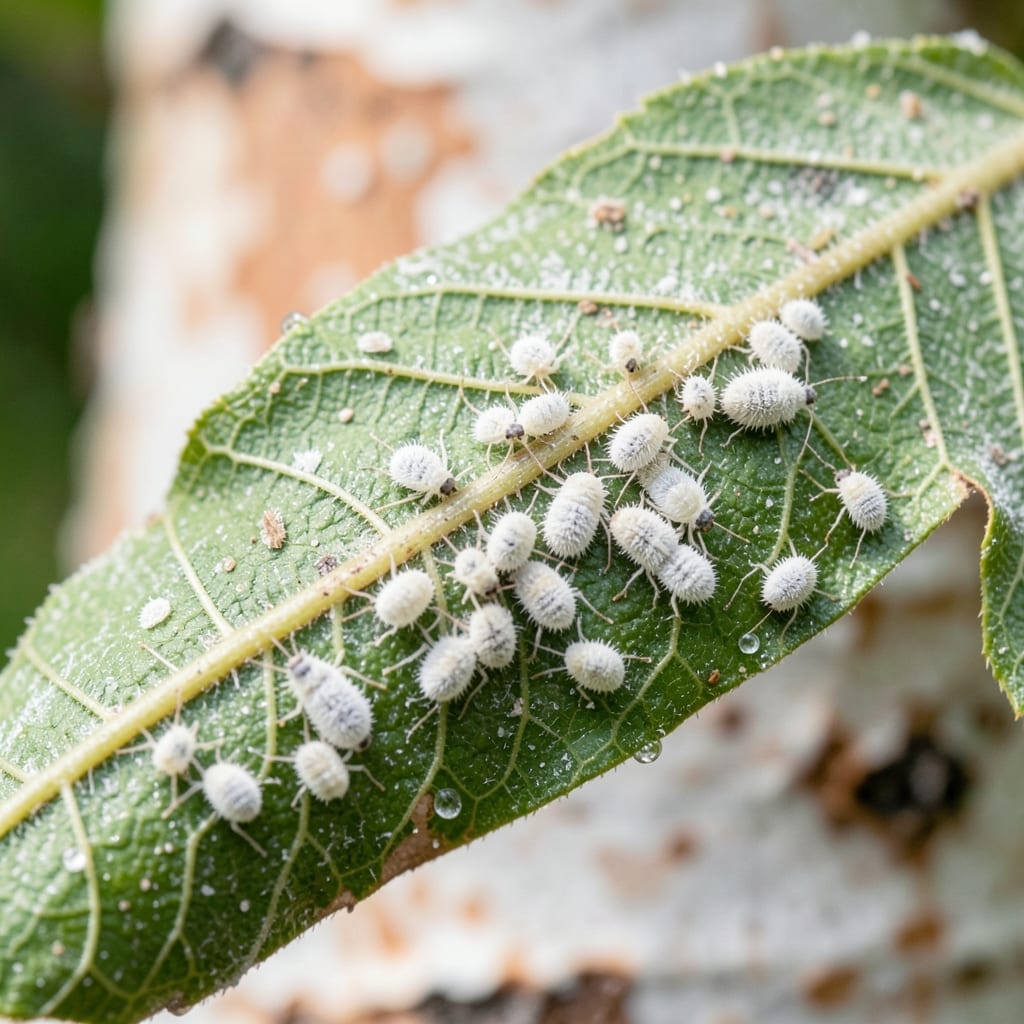
White cottony clusters on your river birch leaves aren’t lint—they’re mealybugs. I spotted them on mine last summer and nearly wrote the tree off as a goner.
These pests suck sap from leaves, stunting growth and leaving a sticky mess. Left unchecked, they’ll spread to branches and weaken the whole tree. The good news? They’re treatable with the right approach.
You’ll see new growth bounce back within 2-3 weeks of treatment. The key is catching them early and staying consistent with applications.
Works for young saplings or mature trees alike. Here’s how to reclaim your birch.
Mealybugs thrive on river birch trees for several key reasons, often tied to environmental stress or poor cultural practices. Understanding these triggers helps prevent infestations before they start.
River birches (Betula nigra) love consistent moisture but detest soggy roots. Overwatering or drought stress weakens the tree, reducing its natural defenses. Mealybugs exploit this vulnerability, targeting stressed trees first. Ensure well-draining soil and water deeply but infrequently to maintain resilience.
A lack of essential nutrients, particularly nitrogen or potassium, can leave river birch foliage tender and susceptible. Mealybugs are drawn to soft, nutrient-poor leaves. Conduct a soil test and amend with a balanced fertilizer to strengthen the tree’s resistance.
Mealybugs flourish in warm, humid conditions (70–80°F). River birches in shaded, poorly ventilated areas create the perfect microclimate for these pests. Improve airflow by pruning dense branches and avoid planting in overly sheltered spots.
Prior damage from aphids or scale insects leaves behind honeydew, a sticky residue that attracts mealybugs. This sugar-rich substance provides an ideal food source. Monitor for early signs of other pests and treat promptly to break the cycle.
Mealybugs can be stubborn, but these targeted solutions will help you reclaim your river birch’s health. Address the issue early to prevent long-term damage.
For small outbreaks, a hands-on approach works best. Dip a cotton swab in rubbing alcohol (70% or higher) and gently dab each mealybug to dissolve their protective coating. Follow up by wiping the area with a damp cloth. Pro tip 💡: Check leaf undersides and branch crotches—these pests love hiding in tight spots!
Mix 1 tablespoon of dish soap and 1 cup of vegetable oil in a gallon of water. Spray this solution thoroughly on affected areas every 3–4 days until the bugs are gone. For a stronger option, use neem oil (follow label instructions) to disrupt their life cycle. Pro tip 🌡️: Apply sprays in the early morning or late evening to avoid harming beneficial insects.
If mealybugs persist, a systemic insecticide (like imidacloprid) can be applied to the soil. This method lets the tree absorb the treatment, targeting pests from within. ⚠️ Caution: Use this only as a last resort and follow all safety guidelines.
Look for white cottony clusters on leaves, stems, or branch crotches. You may also notice sticky residue or black sooty mold, which are signs of their feeding activity.
Severe infestations can weaken the tree over time, but they rarely kill mature, healthy specimens. Act quickly to prevent stress and long-term damage to growth.
Yes! A mix of 1 tablespoon dish soap and 1 cup oil in a gallon of water works well. Apply every 3-4 days until the pests are gone for best results.
Early morning or late evening is ideal to avoid harming beneficial insects. Treat at the first sign of infestation for the easiest control.