
Beautiful Plants For Your Interior
Beautiful Plants For Your Interior
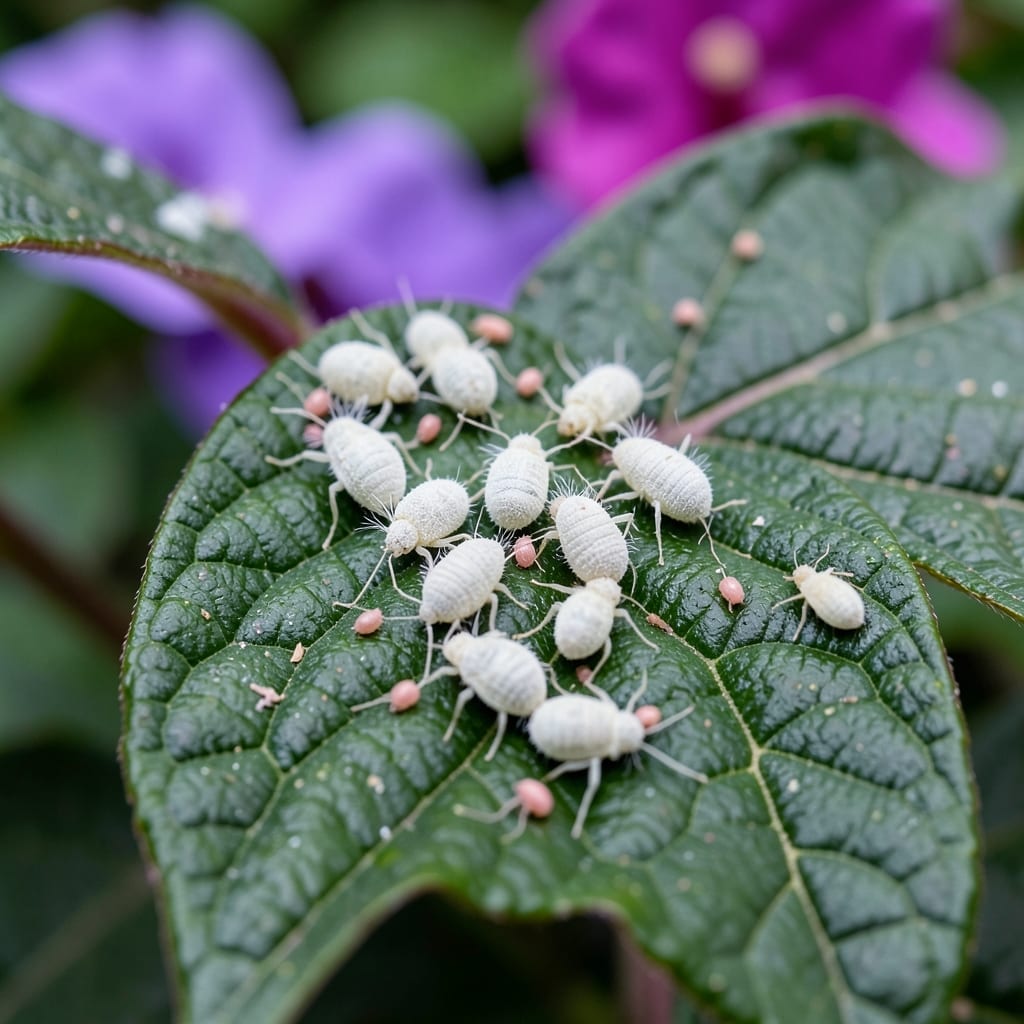
White cottony clusters on your purple passion plant mean trouble. I first noticed them tucked in leaf axils, looking like tiny cotton balls, and knew I had to act fast.
These pests drain plant sap, weakening growth and leaving sticky residue. The good news? Natural treatments work surprisingly well without harsh chemicals. A simple alcohol solution and consistent monitoring can turn things around.
Your plant will rebound with vibrant foliage and strong new growth once the infestation is gone. The key is catching it early and staying persistent with treatment.
Works for indoor or outdoor plants, and prevents future outbreaks with better air circulation and regular inspections. Here’s how to save your purple passion.
Mealybugs thrive on Gynura aurantiaca (purple passion) due to specific environmental and plant health factors. Below are the primary causes, explained with actionable insights to help you prevent future outbreaks.
Mealybugs proliferate in temperatures between 70–80°F (21–27°C) with high humidity (60%+). Purple passion plants, often grown in greenhouses or tropical climates, create an ideal breeding ground. Poor air circulation exacerbates the issue, trapping moisture and allowing colonies to spread rapidly.
Excess moisture weakens the plant’s defenses, making it more susceptible to pests. Overwatered purple passion plants develop soft, succulent growth—a mealybug favorite. Ensure pots have drainage holes and use a well-aerating soil mix to discourage infestations.
High-nitrogen fertilizers promote lush, tender foliage, which attracts sap-sucking pests like mealybugs. Balance nutrition with a slow-release, low-nitrogen formula to strengthen the plant’s natural resistance.
Indoor or isolated purple passion plants lack beneficial insects (e.g., ladybugs, lacewings) that control mealybug populations. Introduce neem oil or insecticidal soap as a preventative measure in predator-free environments.
Mealybugs often hitchhike via infected soil or newly purchased plants. Quarantine new additions for 2–3 weeks and sterilize potting mix (e.g., baking at 200°F/93°C for 30 minutes) to eliminate hidden pests.
Mealybugs can be stubborn, but these practical solutions will help you reclaim your purple passion plant’s health. Address each issue with targeted fixes and prevent future outbreaks with simple habits.
For small infestations, start with a hands-on approach:
For wider infestations, try these non-toxic sprays:
💡 Pro tip: Always test sprays on a small leaf area first to check for sensitivity.
Consistency is key—repeat treatments every few days until the plant is pest-free, then maintain preventive care to keep your purple passion thriving!
Inspect your purple passion weekly, focusing on leaf axils and stem joints. Early detection prevents major outbreaks. Use a magnifying glass for tiny clusters.
Yes, but dilute 1 tablespoon of mild dish soap in 1 liter of water. Avoid harsh detergents that may harm leaves. Test on a small area first.
Combine manual removal with neem oil sprays every 3 days. For stubborn cases, isolate the plant and repeat treatments for 2 weeks.
Mealybugs move easily between plants. Quarantine affected plants immediately and inspect nearby ones for early signs.