
Beautiful Plants For Your Interior
Beautiful Plants For Your Interior
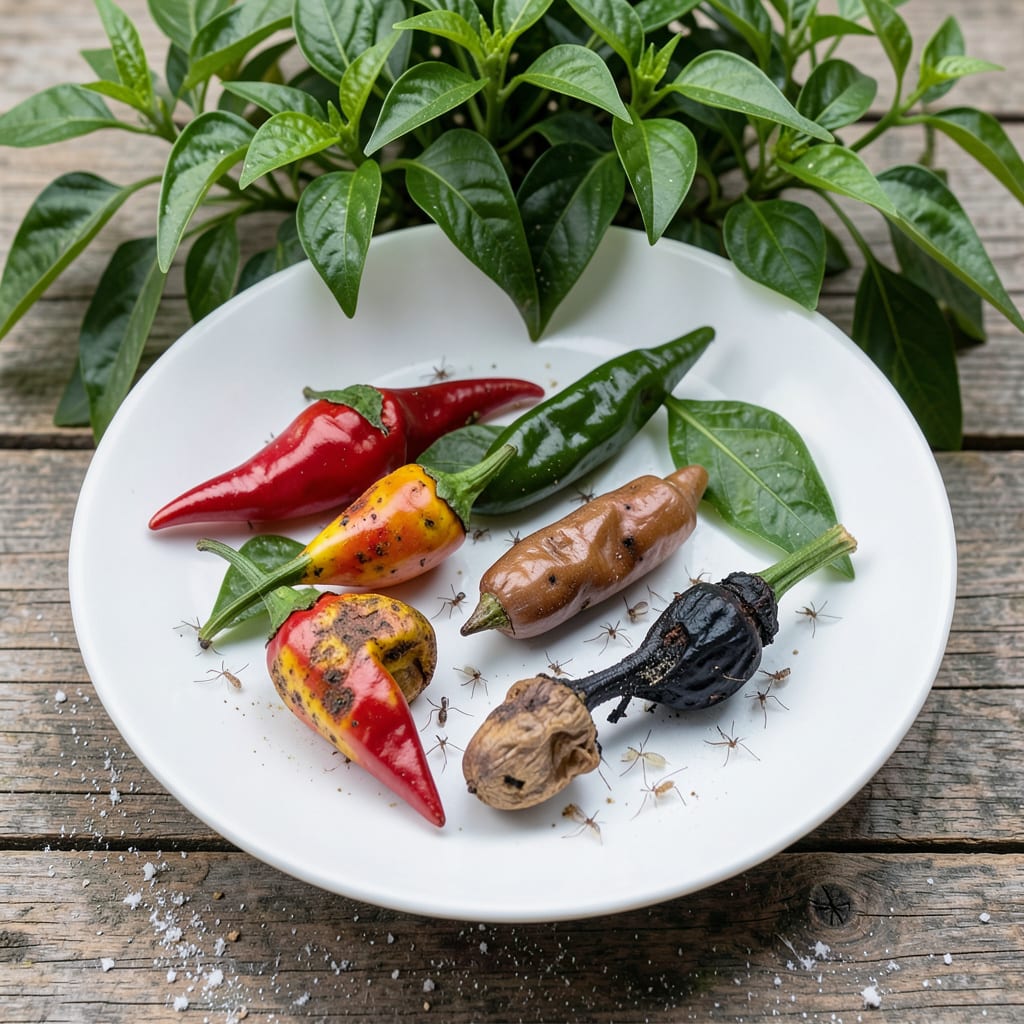
My chili plants went from thriving to struggling overnight last summer. Turns out, early detection is everything when dealing with pests and diseases that target these fiery favorites.
I learned the hard way that yellowing leaves or sticky residue aren’t just quirks—they’re SOS signals. Most issues start small: aphids clustering on new growth, powdery mildew dusting the undersides, or wilting that spreads faster than you’d expect.
With the right approach, you can turn things around in 24-48 hours. The key is knowing what you’re looking at and acting fast. Organic sprays, pruning, or even just adjusting watering can save your crop.
This guide helps you spot trouble before it spreads and keep your plants productive all season long.
Chili peppers, like all plants, fall victim to pests and diseases due to a mix of environmental, biological, and cultural factors. Understanding why these issues arise is the first step to prevention and control.
Extreme temperatures, inconsistent watering, or poor soil conditions weaken chili plants, making them more susceptible to pests like aphids or diseases such as powdery mildew. High humidity, for example, creates the perfect breeding ground for fungal spores, while drought stress can attract spider mites seeking moisture.
Pests thrive in gardens with imbalanced ecosystems. Overuse of chemical pesticides can kill beneficial insects, allowing harmful pests like whiteflies or thrips to multiply unchecked. Additionally, nearby weed growth or untreated infestations in adjacent crops can serve as pest reservoirs, spreading to your chili plants.
Overcrowding plants reduces airflow, increasing the risk of fungal diseases like anthracnose. Lack of crop rotation can also lead to soil-borne pathogens accumulating in the soil. Contaminated tools or infected plant debris left in the garden can further spread diseases from one season to the next.
Some chili varieties are naturally more resistant to pests and diseases, while others are highly susceptible. Planting non-resistant varieties in high-risk areas without preventive measures almost guarantees issues. Additionally, young seedlings or already-stressed plants are easier targets for both pests and pathogens.
Dealing with pests and diseases on your chili peppers can feel overwhelming, but with the right approach, you can restore your plants to health. Below are targeted solutions for the most common problems, along with prevention tips to keep them from coming back.
Blast aphids off with a strong stream of water, then apply neem oil or insecticidal soap every 3–4 days until they’re gone. For prevention, encourage beneficial insects like ladybugs by planting companion flowers such as marigolds or alyssum. 💡 Pro tip: Avoid over-fertilizing with nitrogen, which attracts aphids.
Spider mites thrive in dry conditions. Spray plants with water to dislodge them, then apply horticultural oil. Increase humidity by misting plants or placing a tray of water nearby. 💡 Pro tip: Prune heavily infested leaves and dispose of them in sealed bags.
For powdery mildew or leaf spot, remove infected leaves and treat with copper fungicide or a baking soda solution (1 tsp baking soda + 1 quart water + a drop of dish soap). Prevent future outbreaks by spacing plants properly and watering at the base to keep foliage dry. ✨ Early morning watering helps leaves dry faster.
Create barriers with copper tape or crushed eggshells around pots. Set up beer traps or handpick pests at night when they’re most active. 🎯 Keep garden beds free of debris where slugs hide during the day.
Hang yellow sticky traps to catch adult whiteflies. For larvae, spray with neem oil or introduce parasitic wasps. 🌡️ Avoid overcrowding plants, as poor airflow encourages whitefly infestations.
Consistency is key—monitor plants regularly and act at the first sign of trouble to keep your chili peppers thriving!
Check for yellowing leaves, sticky residue, or tiny webs under leaves. These often indicate aphids, spider mites, or early fungal issues. Catch them early to prevent spreading.
Yes! A baking soda solution works for fungal diseases. Mix 1 tsp baking soda with 1 quart water and a drop of dish soap. Spray on affected leaves weekly.
Encourage beneficial insects like ladybugs with companion plants. Maintain proper spacing for airflow and remove plant debris. Consistency is key!
Yes, if using organic treatments like neem oil. Always wash produce thoroughly before eating. Avoid chemical pesticides if harvesting soon.
