
Beautiful Plants For Your Interior
Beautiful Plants For Your Interior
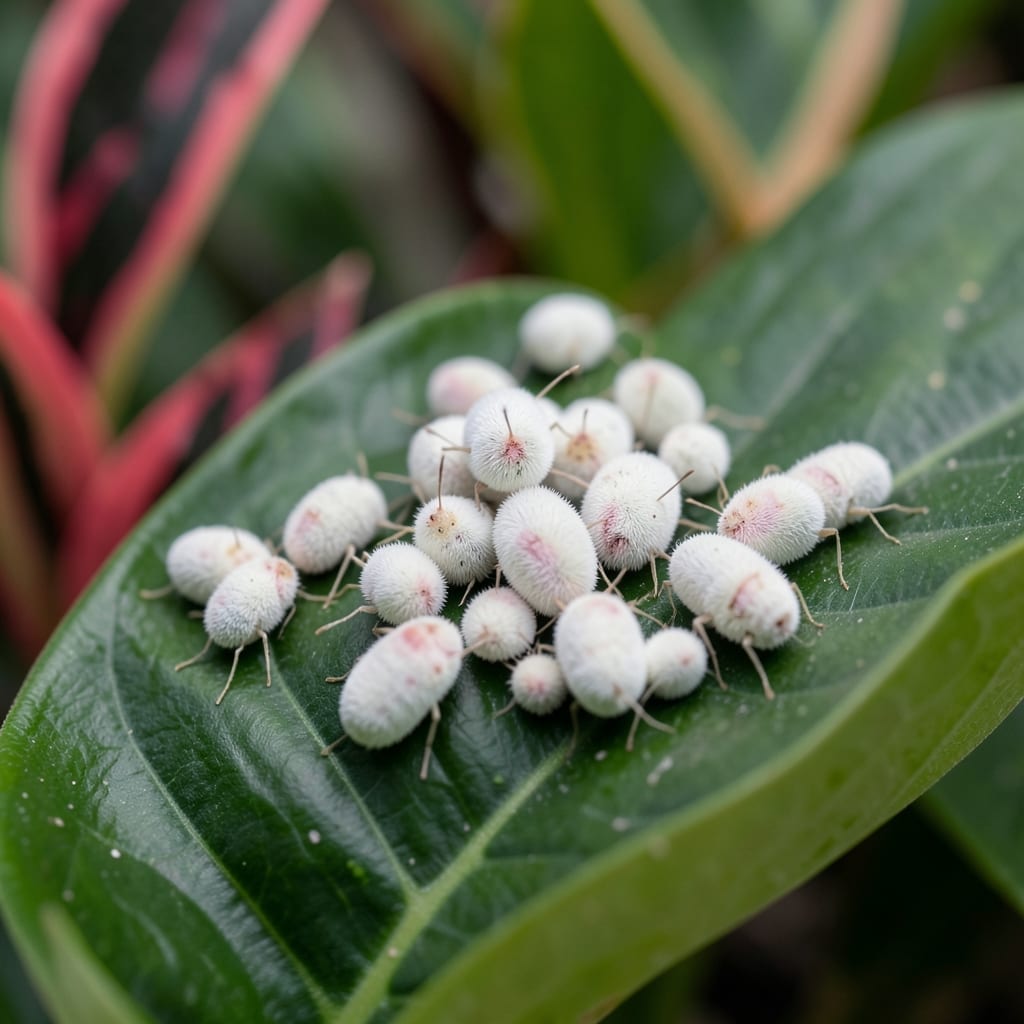
White cottony clusters on your prayer plant mean trouble. I first noticed them tucked under leaves, then on stems—mealybugs spreading fast. These pests drain plant vigor, leaving yellowed leaves and stunted growth in their wake.
Here’s the thing—early action saves your plant. A cotton swab dipped in rubbing alcohol removes visible bugs instantly. For heavier infestations, I’ve found weekly neem oil sprays work without harsh chemicals.
Isolate the plant immediately to protect neighbors. Check nearby plants for hitchhikers—these bugs travel. A 30-day quarantine with consistent treatment usually breaks their life cycle.
Prevention is simpler than cure. Regular leaf inspections and monthly wipe-downs keep these pests from gaining a foothold. Your prayer plant will thank you with lush, vibrant foliage again.
Mealybugs are sneaky pests, but they don’t appear out of thin air. Understanding the root causes helps you prevent infestations before they start. Here’s why your prayer plant might be hosting these unwelcome guests:
Prayer plants thrive in moderate humidity (40-60%), but mealybugs love extremes. Too dry air weakens the plant’s natural defenses, making it easier for pests to take hold. Conversely, excess humidity (especially without airflow) creates a damp, stagnant environment where mealybugs multiply rapidly. These insects are drawn to stressed plants, and inconsistent moisture levels are a common stressor.
Stagnant air is a mealybug’s best friend. Prayer plants in crowded spaces or corners with no airflow become hotspots for infestations. Mealybugs spread quickly in still environments, as their crawlers (nymphs) can easily move from leaf to leaf. Solution: Place your plant near a gentle airflow source, like an open window or a low-speed fan, to disrupt their movement.
Too much fertilizer, especially high-nitrogen blends, can cause lush but soft growth—perfect for mealybugs to pierce and feed on. Prayer plants prefer balanced, diluted fertilizer (e.g., 10-10-10 at half-strength). Over-fertilizing also leads to salt buildup in the soil, stressing the plant and reducing its ability to fend off pests.
Mealybugs often hitch a ride on newly purchased plants or unsterilized potting mix. If you’ve recently repotted your prayer plant or introduced a new plant nearby, inspect it thoroughly. These pests can lie dormant in soil or hide in leaf axils, waiting for the right conditions to emerge. Always quarantine new plants for 2-3 weeks to monitor for pests.
Tackling mealybugs on your prayer plant starts with quick, targeted action. Here’s how to address each scenario and keep your plant thriving.
If you catch the pests early, a cotton swab dipped in rubbing alcohol (70% isopropyl) is your best friend. Gently dab each mealybug to dissolve its protective coating. Follow up by wiping the leaves with a soapy water solution (1 tsp mild dish soap per 1 liter of water) to remove residue. Pro tip 💡: Isolate the plant for a week to monitor for new bugs.
For heavier outbreaks, prune severely affected leaves (dispose of them in a sealed bag) and spray the plant with neem oil or insecticidal soap. Apply every 5–7 days for 3–4 weeks to break the mealybug life cycle. Pro tip 🎯: Spray in the evening to avoid leaf burn from sunlight.
Mealybugs hiding in the soil? Repot the plant immediately. Remove all soil, rinse the roots, and trim any infested sections. Use fresh, sterile potting mix and a systemic granular insecticide to prevent reinfestation. Pro tip ✨: Add a layer of diatomaceous earth on top of the soil to deter crawlers.
Pro tip 🌡️: A strong blast of water from a hose can dislodge pests from hard-to-reach spots—just let the plant dry afterward.
Mealybug eggs are tiny, white, and often hidden in cottony sacs under leaves. They resemble small grains of rice or fine powder. Check leaf axils and stem joints weekly for these clusters.
Vinegar isn’t effective against mealybugs. Stick to rubbing alcohol for spot treatment or neem oil for widespread issues. Vinegar can harm your prayer plant’s delicate foliage.
With consistent treatment, expect 3-4 weeks to break the mealybug life cycle. Repeat applications every 5-7 days are crucial for full eradication.
Yes, they spread quickly via crawlers or human contact. Isolate your prayer plant immediately and inspect nearby plants. Quarantine new additions for 2-3 weeks.