
Beautiful Plants For Your Interior
Beautiful Plants For Your Interior
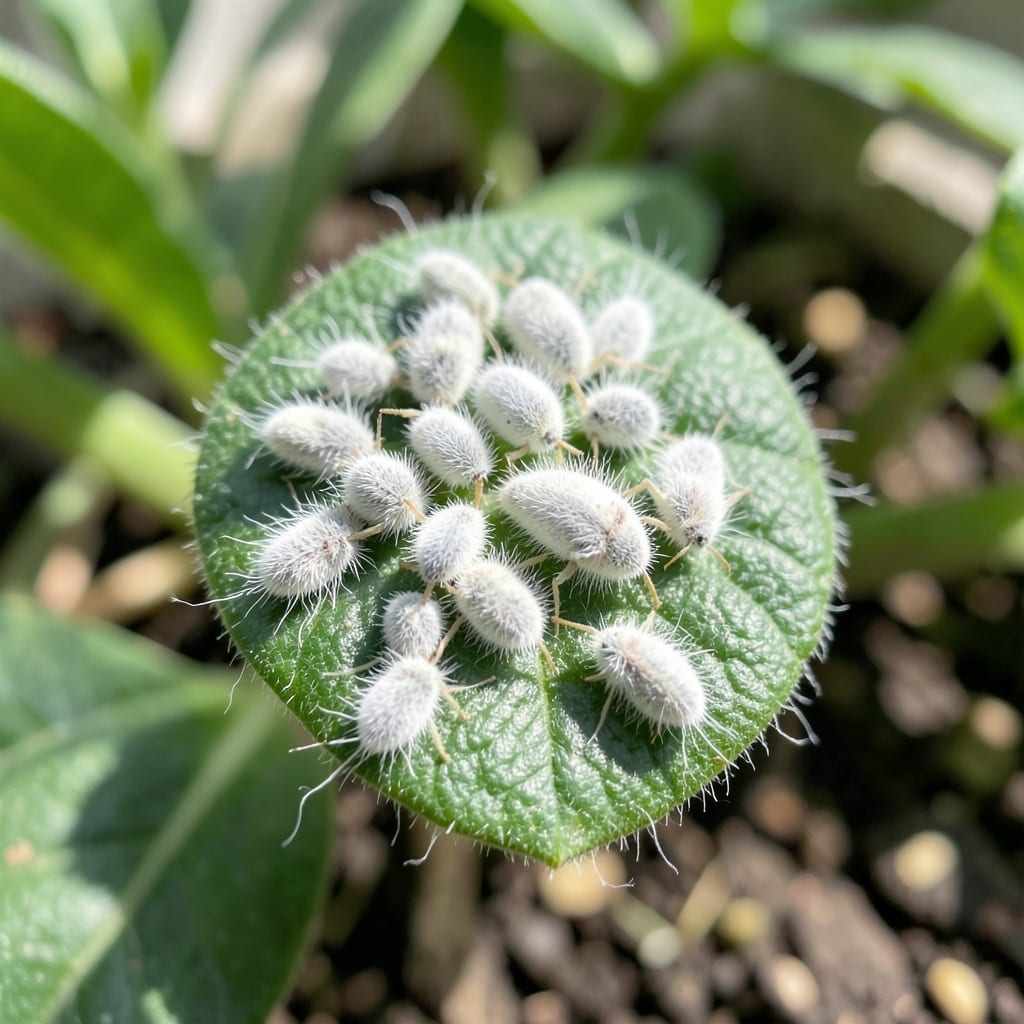
White cottony clusters on your piggyback plant leaves mean mealybugs have moved in. I spotted the first signs on my own collection last summer and knew I had to act fast before they spread to every plant in my home.
These pests drain plant sap, leaving behind weak growth and sticky residue. The good news is they’re easy to spot and even easier to treat if you catch them early. A little vigilance goes a long way with these slow-moving invaders.
Within 2-3 weeks of consistent treatment, your plant will show new healthy growth and those mealybugs will be gone for good. The key is combining immediate action with long-term prevention strategies.
Works for any piggyback plant variety, from small starter plants to mature specimens. Here’s how to reclaim your foliage.
Mealybugs thrive on piggyback plants (Tolmiea menziesii) due to specific environmental and cultural conditions. Understanding these triggers helps prevent and manage outbreaks effectively.
Piggyback plants grown in dense clusters or cramped spaces create ideal hiding spots for mealybugs. Stagnant air reduces natural predation and increases humidity, which these pests love. Ensure 6–12 inches of spacing between plants and use a small fan to improve circulation.
Overwatering or high humidity (above 60%) weakens plant defenses and encourages fungal growth—a secondary attractant for mealybugs. Water only when the top inch of soil is dry, and avoid misting foliage directly. A dehumidifier or moisture-absorbing pebbles in trays can help.
Piggyback plants under stress from nutrient deficiencies (e.g., low nitrogen) or light deprivation produce weaker sap, making them more susceptible. Mealybugs target these plants because their reduced vigor means less resistance. Fertilize monthly with a balanced 10-10-10 formula and provide bright, indirect light.
Mealybugs often hitchhike on infected tools, pots, or newly purchased plants. Always quarantine new additions for 2–3 weeks and sterilize pruners with rubbing alcohol after each use. Inspect the undersides of leaves and stem joints—common hiding spots—for early signs.
Dealing with mealybugs on your piggyback plants? Here’s how to tackle each issue and keep your greenery thriving.
For small infestations, start by wiping down leaves with a cotton swab dipped in rubbing alcohol (70% isopropyl). This dissolves the bugs’ protective coating and kills them on contact. Focus on leaf axils, stems, and undersides where mealybugs love to hide. Pro tip: 💡 Isolate the plant while treating to prevent spreading to nearby greenery.
Mix 1 teaspoon of mild liquid soap (like Castile soap) with 1 liter of water and spray it directly onto the bugs. The soap disrupts their cell membranes, causing them to dehydrate. Reapply every 2–3 days for a week to ensure all pests—including newly hatched nymphs—are eliminated. Rinse the leaves with plain water after 15 minutes to avoid soap residue.
Introduce beneficial insects like ladybugs, lacewings, or Cryptolaemus montrouzieri (mealybug destroyer beetles). These predators feast on mealybugs and can provide long-term control. Best for outdoor plants or greenhouses where insects can thrive. 🌿 Prevention tip: Avoid broad-spectrum pesticides, as they can harm these helpful allies.
Stay vigilant, and your piggyback plant will bounce back to its lush, vibrant self! ✨
Look for white, cottony clusters in leaf axils and undersides. You may also notice sticky residue or yellowing leaves.
No, 70% isopropyl alcohol is safe when applied directly to pests. Test on one leaf first and avoid over-saturating the soil.
For soap sprays, reapply every 2–3 days for 1 week. Manual removal may need daily checks until all signs are gone.
They often hide in untreated areas or hitchhike on new plants. Quarantine for 2–3 weeks and inspect regularly.