
Beautiful Plants For Your Interior
Beautiful Plants For Your Interior
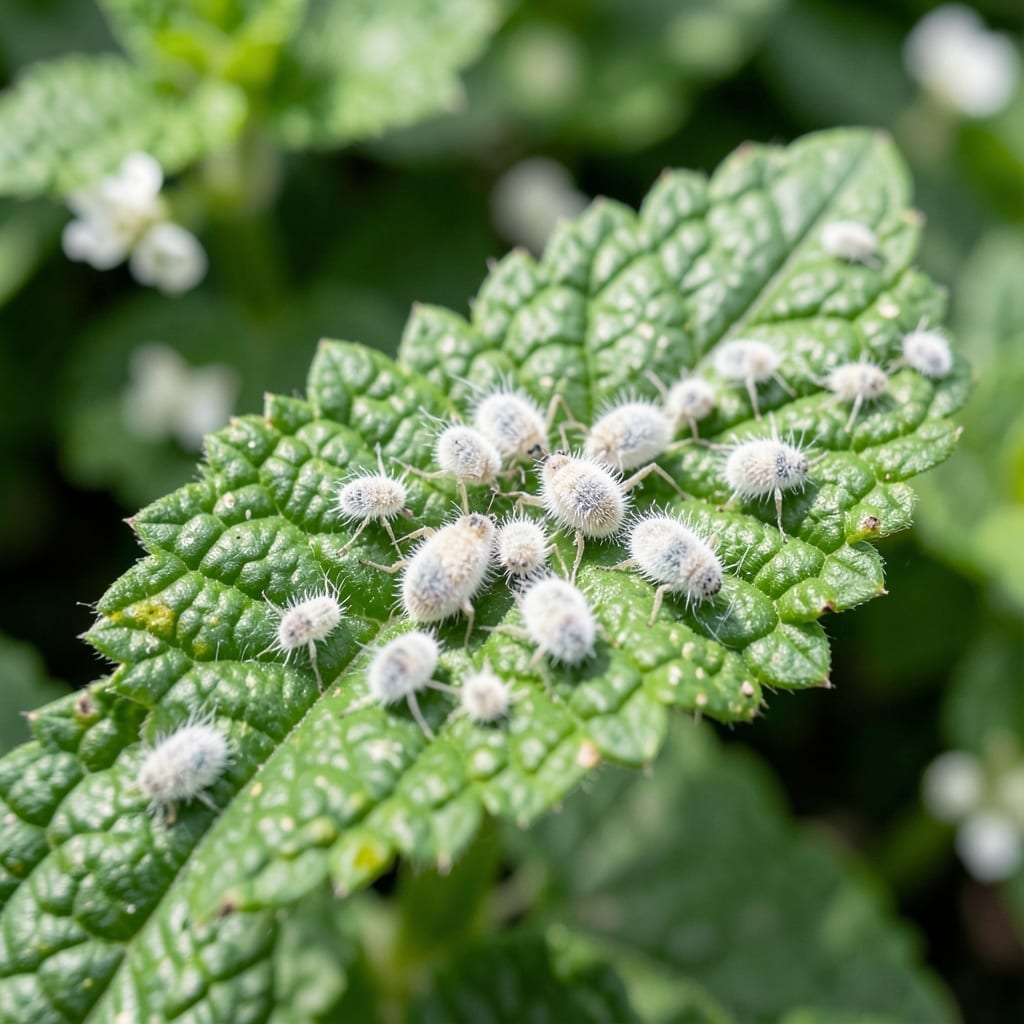
Those white cottony clusters on your peppermint aren’t lint—they’re mealybugs. I spotted them on my plants last summer and nearly panicked, but a simple solution saved my entire crop.
These pests thrive in warm, dry conditions, especially on stressed plants. They suck sap from stems and leaves, leaving behind sticky residue and stunted growth. The good news? You can treat them without harsh chemicals.
I use a 1:3 rubbing alcohol to water mix applied with a cotton swab for small infestations. For larger ones, insecticidal soap does the trick. Both methods are safe and effective.
Regular inspection and good airflow prevent future outbreaks. Your peppermint will bounce back with vibrant, healthy foliage in no time.
Mealybugs thrive on peppermint plants for several key reasons, often tied to environmental conditions or plant health. Understanding these causes helps prevent infestations before they start.
Peppermint plants grown in dense clusters or cramped spaces create ideal breeding grounds. Mealybugs love stagnant, humid air, which accelerates their life cycle. Ensure proper spacing (12–18 inches between plants) and prune regularly to improve airflow.
Soggy soil or frequent overhead watering invites mealybugs, as they’re drawn to soft, waterlogged stems. Peppermint prefers moist—but not waterlogged—soil. Water at the base early in the day, and let the top inch of soil dry between waterings.
Greenhouses, indoor setups, or shaded outdoor areas with consistent warmth (70–80°F) and low predator activity (like ladybugs) are hotspots. Introduce beneficial insects or rotate plants outdoors periodically to disrupt mealybug colonies.
Over-fertilizing with nitrogen creates tender new growth—a mealybug favorite. Use a balanced, organic fertilizer and avoid heavy nitrogen feeds. Healthy, resilient peppermint is less appealing to pests.
Mealybugs can be stubborn, but these practical fixes will help you reclaim your peppermint plants without harsh chemicals. Below are targeted solutions for common causes, plus prevention tips to keep them from returning.
For a few visible pests, dab them with a cotton swab soaked in rubbing alcohol (70% isopropyl). This dissolves their protective coating and kills them on contact. Repeat every 2-3 days until gone. Pro tip: 💡 Test the alcohol on a small leaf area first to ensure no damage to your peppermint.
Mix 1 teaspoon of mild liquid soap with 1 liter of water and spray directly on the bugs. The soap disrupts their cell membranes. Alternatively, use neem oil (1 tablespoon per liter of water + a few drops of soap as an emulsifier) for a residual effect. Spray in the early morning or late evening to avoid leaf burn. Reapply every 5-7 days.
If mealybugs are in the soil, drench the pot with a solution of 1 part hydrogen peroxide (3%) to 4 parts water. This oxygenates the soil and kills larvae. Do this once a week for 3 weeks. Prevention tip: ✨ Repot the plant with fresh, sterile potting mix after treatment.
Consistency is key—stay vigilant, and your peppermint will thrive pest-free!
Inspect your plants every 3-4 days during warm weather. Mealybugs multiply quickly, so early detection is key. Focus on leaf undersides and stem joints where they hide.
Natural solutions like neem oil or soapy water are safe when used as directed. Always test on 1-2 leaves first. Avoid treatments during peak sun to prevent leaf burn.
Yes! These treatments work on most herbs like basil, rosemary, or thyme. The rubbing alcohol or neem oil approach is effective for mealybugs on any soft-stemmed plant.
For recurring issues, try repotting with fresh soil and isolating the plant for 2-3 weeks. Introduce beneficial insects like ladybugs to break the pest cycle naturally.