
Beautiful Plants For Your Interior
Beautiful Plants For Your Interior
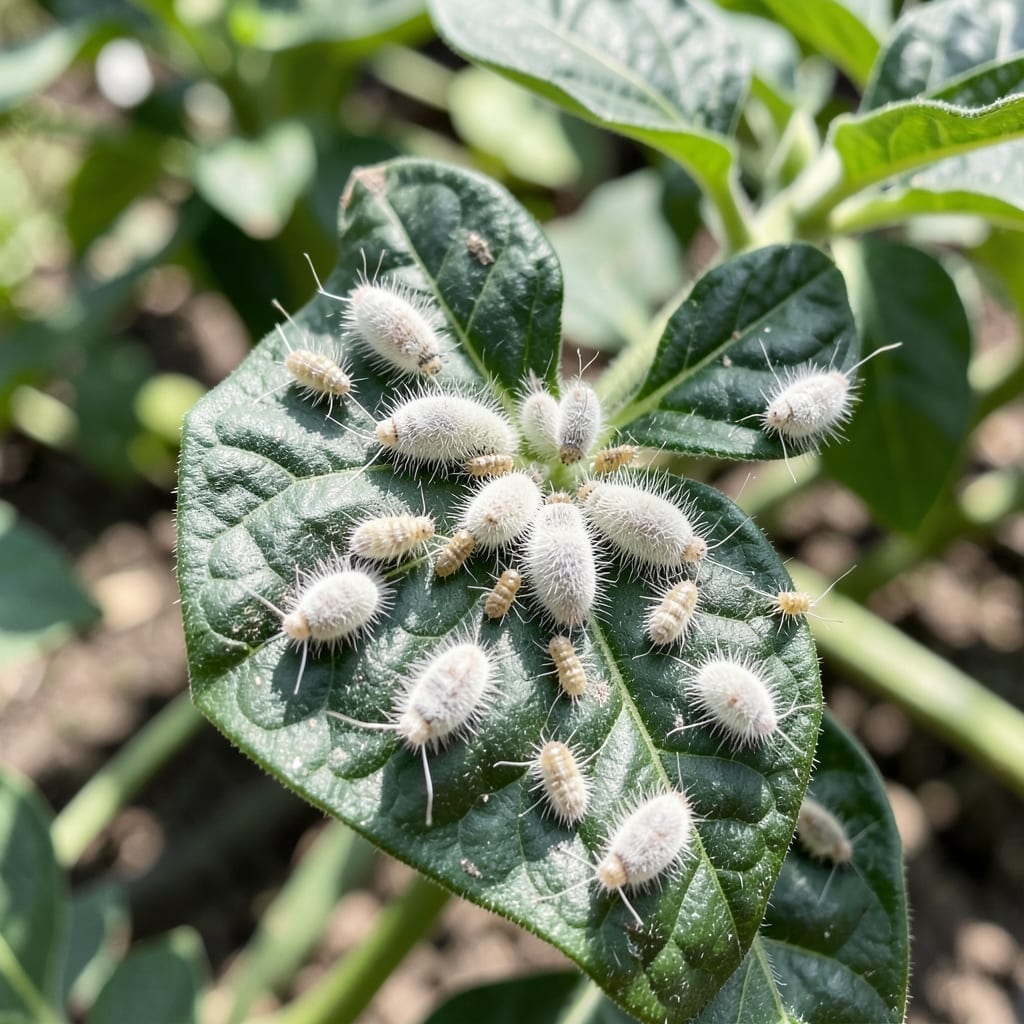
White cottony clusters on your pepper stems mean trouble. I first spotted mealybugs on my jalapeños last summer, and they spread faster than I expected.
These pests weaken plants by sucking sap, leaving sticky residue that attracts mold. The good news: you can spot them early with regular inspections, especially under leaves and at stem joints.
Non-toxic solutions like insecticidal soap and neem oil work surprisingly well. I’ve had great success with a simple alcohol spray for small infestations.
Prevention is key—companion planting with basil or marigolds helps deter them. Regular checks catch problems before they explode.
Mealybugs thrive on pepper plants due to specific environmental and cultural conditions. Understanding these triggers helps prevent and control outbreaks effectively.
Mealybugs proliferate in warm, low-humidity environments (70–90°F). Pepper plants in greenhouses or dry regions are especially vulnerable, as these pests reproduce rapidly when moisture levels are low and temperatures are stable.
Overcrowding limits airflow, creating ideal hiding spots for mealybugs. Stressed plants—from poor soil, inconsistent watering, or nutrient deficiencies—emit signals that attract pests, as they’re weaker and easier to exploit.
In outdoor gardens, beneficial insects like ladybugs and lacewings keep mealybug populations in check. However, indoor or isolated pepper plants lack these predators, allowing infestations to spiral unchecked.
Mealybugs or their eggs can hitchhike via unsterilized potting mix, reused containers, or gardening tools. Even healthy-looking plants from nurseries may carry hidden pests, introducing them to your garden.
While mealybugs favor dry conditions, root stress from overwatering weakens plants, making them more susceptible. Soggy soil also encourages fungal growth, which can attract secondary pests.
Tackling mealybugs on your pepper plants is simpler than you think. Start with the right approach for each issue:
If you notice just a few mealybugs, remove them by hand or with a cotton swab dipped in 70% isopropyl alcohol. Wipe down the leaves and stems, focusing on crevices. Repeat every few days to catch newly hatched bugs.
For larger outbreaks, mix 1 tablespoon of dish soap with 1 quart of water and spray directly on the bugs. The soap breaks down their protective waxy coating. Alternatively, use neem oil (mix 2 tablespoons with 1 gallon of water) for a long-term solution. Spray in the evening to avoid leaf burn. Reapply every 5-7 days until the pests are gone.
If the roots are infested, water your pepper plants with a neem oil or insecticidal soap solution to target the pests below the surface. This method ensures the bugs can’t hide.
Prevention Tips:
They appear as white, cottony clusters, often in leaf axils or stem joints. You might also spot sticky honeydew or black sooty mold nearby.
Hidden eggs or nymphs in soil or plant crevices survive treatment. Repeat applications every 5-7 days to break their life cycle. Isolate new plants for 2-3 weeks too.
Vinegar can harm plants. Stick to 70% isopropyl alcohol for spot treatment or neem oil for widespread infestations.
Yes, especially indoors. Quarantine affected peppers immediately and check nearby plants daily.