
Beautiful Plants For Your Interior
Beautiful Plants For Your Interior
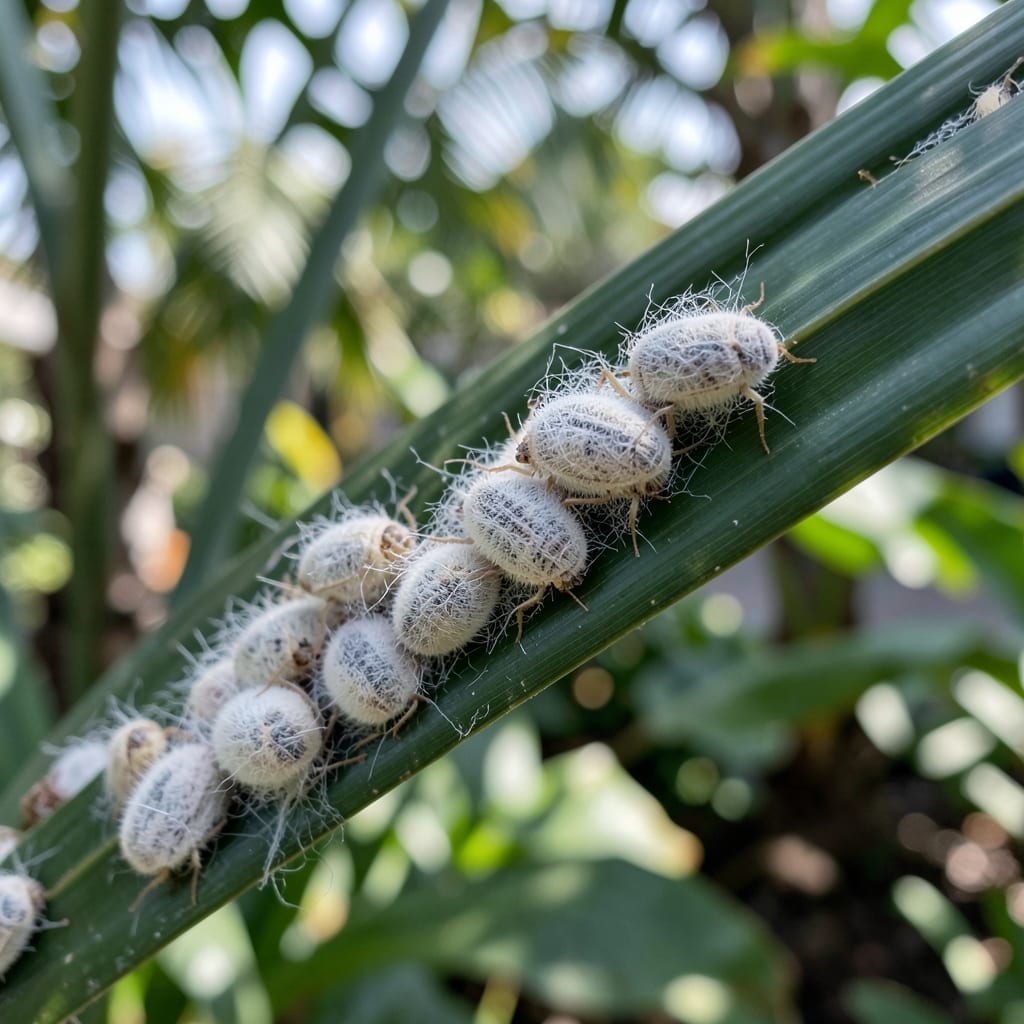
White cottony spots on palm leaves mean trouble. I first noticed mealybugs on my parlor palm last summer—they spread faster than I expected, turning healthy fronds into sticky, weakened messes.
These pests hide in leaf crevices, sucking sap and leaving behind a white, waxy coating. Left untreated, they stunt growth and attract sooty mold. The good news? A simple inspection with a magnifying glass catches them early.
You’ll restore your palm’s vibrant green with targeted treatments. Natural options like neem oil or insecticidal soap work well, but consistency is key—reapply every 7-10 days until they’re gone.
Prevention keeps them from returning. Isolate new plants, wipe leaves regularly, and avoid overwatering. Healthy palms resist infestations better.
Mealybugs thrive on palm leaves due to several environmental and biological factors. Understanding these causes helps prevent infestations and keeps your palms healthy.
Excess moisture creates a humid environment where mealybugs flourish. Overwatered palms or those in poorly drained soil weaken the plant, making it more susceptible to pests. Ensure proper drainage and water only when the top inch of soil is dry.
Mealybugs prefer warm climates (70–90°F) and thrive in dry, stagnant air. Indoor palms near heaters or outdoor palms in drought-prone areas are prime targets. Increase humidity with misting or a pebble tray to deter them.
Palms under stress from nutrient deficiencies, improper lighting, or physical damage are more vulnerable. Mealybugs target weakened plants because their natural defenses are compromised. Fertilize regularly and provide adequate light to strengthen your palm.
In outdoor settings, mealybugs often appear when beneficial insects (like ladybugs or lacewings) are absent. Overuse of broad-spectrum pesticides can kill these predators, allowing mealybug populations to explode. Encourage biodiversity or introduce natural enemies to restore balance.
Mealybugs can hitchhike on new palms or nearby infested plants. Always inspect new plants thoroughly and quarantine them for a few weeks to prevent spreading pests to your existing collection.
Mealybugs can be stubborn, but these targeted solutions will help you reclaim your palm’s health. Address the issue based on its severity and keep your plant thriving.
If you spot a few mealybugs early, act fast with these steps:
For larger outbreaks, use these easy DIY treatments:
💡 Pro tip: Test sprays on a small leaf area first to check for sensitivity.
Avoid future invasions with these habits:
✨ Remember: Consistency is key—reapply treatments until all signs of mealybugs are gone!
Look for white, cottony clusters on leaves, especially in crevices or undersides. Sticky residue or black sooty mold are also telltale signs of an infestation.
Yes, but mix 1 tablespoon mild soap with 1 quart water and spray directly on pests. Reapply weekly for best results.
Mealybugs often return due to hidden eggs or untreated nearby plants. Always treat all palms and quarantine new ones for 2-3 weeks.
Generally yes, but test on a small leaf area first. Some sensitive palms may react to neem oil.