
Beautiful Plants For Your Interior
Beautiful Plants For Your Interior
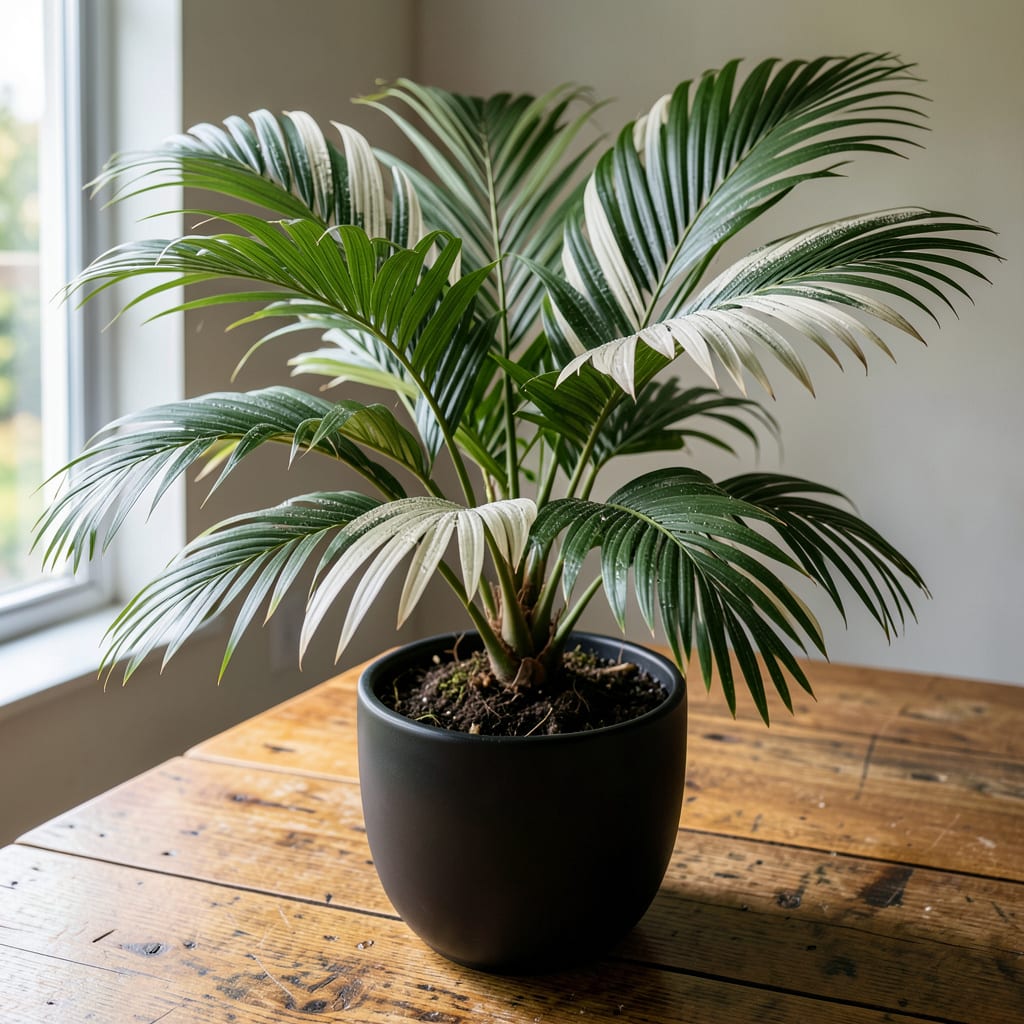
White leaves on your parlor palm aren’t just unsightly—they’re a cry for help. I’ve seen this happen to mine when the light was all wrong, and the fix was simpler than I expected.
This usually comes down to light stress or chlorosis, where the plant can’t produce enough chlorophyll. Too much direct sun bleaches leaves, while too little starves them of what they need to stay vibrant green.
You can reverse the damage by adjusting light exposure and checking for nutrient deficiencies. The recovery starts with new growth returning to its natural color within a few weeks.
Prevention is even easier once you know the signs. A little observation goes a long way in keeping your palm thriving.
The sudden or gradual whitening of parlor palm leaves is almost always tied to one of three core issues: light stress, nutrient deficiency, or environmental shock. Each disrupts the plant’s ability to produce chlorophyll—the green pigment essential for photosynthesis. Below are the most common causes, explained in practical terms.
Parlor palms (Chamaedorea elegans) thrive in bright, indirect light. Direct sunlight, especially intense midday rays, can bleach the chlorophyll in leaves, turning them white or pale yellow. This condition, called photooxidative stress, occurs when light energy overwhelms the plant’s protective pigments. The outer leaves—most exposed to light—are usually the first to show symptoms.
White or yellow-white leaves often signal iron or magnesium deficiency, a form of chlorosis. Parlor palms in alkaline or poorly draining soil struggle to absorb these micronutrients, even if they’re present. Iron is critical for chlorophyll synthesis, while magnesium is the central atom in the chlorophyll molecule. Without them, new growth emerges pale, and older leaves may fade to white.
Sudden changes in temperature, humidity, or water quality can trigger leaf discoloration. Cold drafts, dry air from heating systems, or chlorinated tap water (which can raise soil pH) disrupt nutrient uptake and metabolic processes. In extreme cases, leaf tissue damage manifests as white, necrotic patches—especially if the plant was recently moved or repotted.
Reviving your parlor palm starts with addressing the root causes of white leaves. Below are targeted solutions for each issue, along with prevention tips to keep your plant thriving.
If sunburn is the culprit, move your parlor palm to a spot with bright, indirect light. East- or north-facing windows are ideal. For south- or west-facing windows, use a sheer curtain to diffuse harsh rays. Rotate the plant weekly to ensure even light exposure.
Prevention tip: 💡 Monitor light intensity—parlor palms prefer 4–6 hours of gentle light daily.
White leaves from chlorosis often mean a lack of iron or magnesium. Use a balanced, water-soluble fertilizer (e.g., 10-10-10) diluted to half strength, applied every 4–6 weeks during growing season. For severe cases, add a chelated iron supplement or Epsom salts (1 tsp per gallon of water) to the soil.
Prevention tip: 🌱 Test your soil pH—parlor palms thrive in slightly acidic to neutral soil (6.0–7.0).
Let the top 1–2 inches of soil dry out before watering again. Ensure your pot has drainage holes and use a well-draining potting mix (add perlite or sand if needed). If root rot is suspected, trim affected roots and repot in fresh soil.
Prevention tip: 💧 Use the “finger test”—stick your finger in the soil; if it’s damp, wait to water.
Wipe leaves with a damp cloth to remove pests like spider mites or mealybugs. For stubborn infestations, apply neem oil or insecticidal soap weekly until pests are gone. Isolate the plant to prevent spreading.
Prevention tip: ✨ Inspect leaves regularly, especially the undersides, and keep humidity levels moderate.
No, once leaves turn white, the damage is permanent. The plant can’t restore chlorophyll to affected foliage. Focus on improving conditions so new growth emerges healthy and green.
Sunburn typically affects the outer leaves exposed to direct light, creating bleached patches. Nutrient deficiency starts with yellowing between veins, then progresses to white. Check light exposure and soil quality.
Yes, trim white leaves at the base using clean scissors. This helps the plant redirect energy to healthy growth. Remove only severely damaged leaves, not just slightly discolored ones.
Use a balanced fertilizer every 4-6 weeks during growing season. Dilute to half strength to avoid overfeeding. Pause fertilizing in winter when growth slows.
