
Beautiful Plants For Your Interior
Beautiful Plants For Your Interior
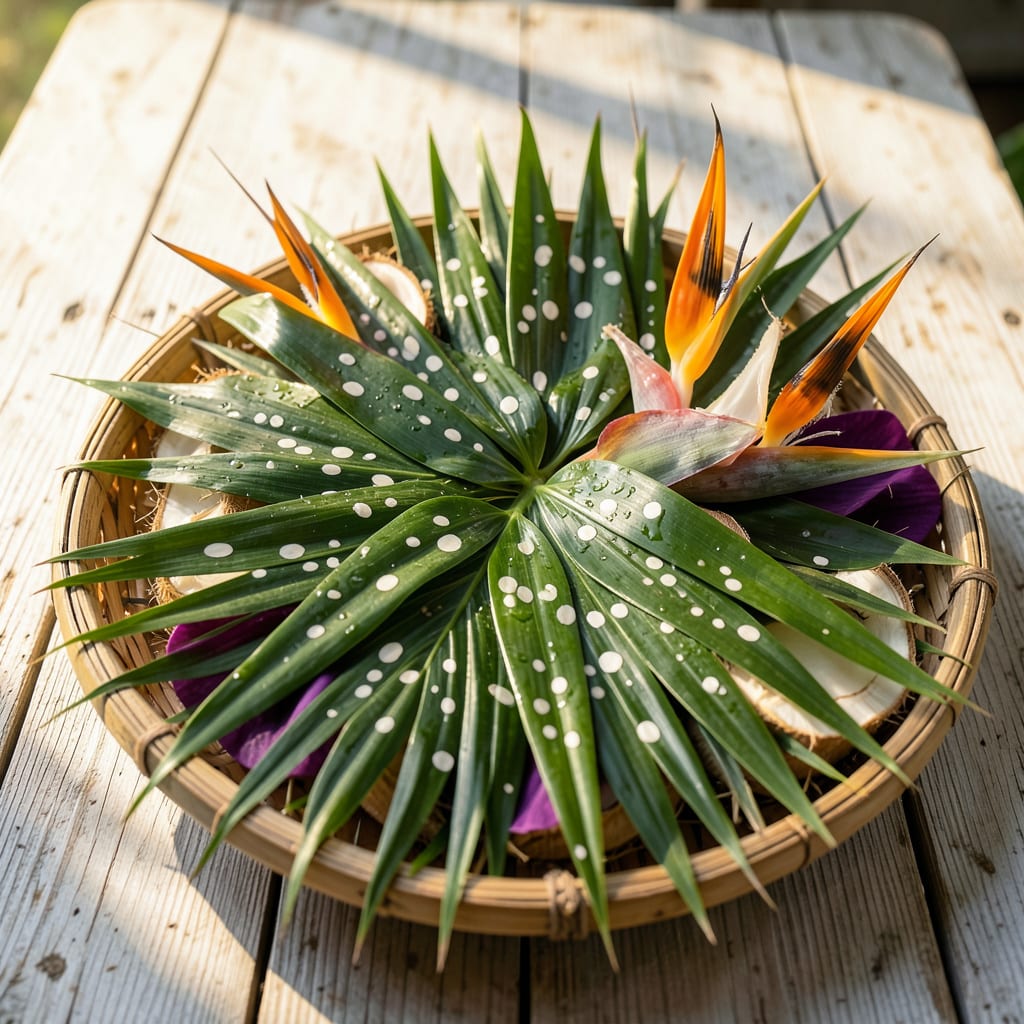
White spots on your palm fronds aren’t just unsightly—they’re a warning sign. I’ve seen these patches turn from minor annoyances into full-blown plant emergencies when ignored.
Sometimes it’s pests like mealybugs leaving cottony residue. Other times, fungal diseases create powdery mildew or leaf spot. Even environmental stress from too much water or direct sunlight can trigger the same symptoms.
Here’s the thing—most cases respond well to targeted solutions once you identify the root cause. A simple wipe with soapy water often handles pests, while fungal issues may need a copper fungicide.
Prevention is simpler than treatment. Proper spacing for airflow and consistent watering habits keep most palms spot-free for years.
White spots on palm fronds are a common sign of underlying issues, often tied to environmental stress, pests, or diseases. Below are the most frequent causes, explained with actionable insights.
Fungi like Pestalotiopsis or Phyllosticta thrive in warm, humid conditions, forming circular white or grayish spots on fronds. These pathogens spread via spores, often introduced by overhead watering or poor air circulation. Prune infected fronds and apply copper-based fungicides to halt progression.
Scale insects, mealybugs, and spider mites secrete sticky honeydew or feed on sap, leaving behind white, cottony, or stippled spots. Check undersides of fronds for clusters or webbing. Blast pests off with water or use horticultural oil/neem oil for control.
Calcium or magnesium shortages can manifest as interveinal white or yellow spots, especially in older fronds. Soils with high pH or excessive potassium may lock out these nutrients. Test soil and amend with Epsom salt (magnesium) or gypsum (calcium) as needed.
Overexposure to direct sun (sunscald) or sudden temperature drops can bleach frond tissue, creating irregular white patches. Palms like Chamaedorea or Kentia prefer bright, indirect light. Acclimate plants gradually and provide shade cloth during peak sun.
Herbicides, fertilizers, or even hard water (high in salts) can cause localized white or brown spotting. Avoid foliar contact with chemicals, and flush soil with water to leach excess salts.
Address white spots on palm fronds with these targeted solutions, tailored to the most common causes. Act quickly to restore your palm’s health and prevent further damage.
If the spots are fuzzy or spreading, a copper-based fungicide is your best bet. Apply it to both sides of the fronds every 7–10 days until the issue clears. Remove heavily infected fronds to stop the spread. Prevention tip: 💡 Improve air circulation around the palm and avoid overhead watering to keep foliage dry.
For pests like spider mites or scale, spray the fronds with neem oil or insecticidal soap, focusing on the undersides. Repeat every 5–7 days until pests are gone. Prevention tip: ✨ Regularly inspect fronds for early signs of pests and keep the area free of debris where bugs can hide.
If spots appear after intense sunlight, move potted palms to a shadier spot or use shade cloth for outdoor palms. Gradually acclimate them to brighter light. Prevention tip: 🌡️ Water deeply in the early morning to help palms cope with heat stress.
Yellowing or white spots from nutrient lack? Use a palm-specific fertilizer rich in magnesium, potassium, or manganese. Follow package instructions for application rates. Prevention tip: 🎯 Test your soil every 1–2 years to catch deficiencies early.
Reduce watering frequency and ensure pots have drainage holes. For in-ground palms, amend soil with sand or perlite to boost drainage. Prevention tip: 💧 Let the top 1–2 inches of soil dry out between waterings.
Consistency is key—monitor your palm after treatment and adjust care as needed. Healthy palms start with proactive, observant care!
Not immediately, but left untreated, they can spread and weaken the plant. Fungal spots may merge into larger damaged areas, while pest infestations can stunt growth. Address the issue quickly for the best outcome.
Yes! A mix of 1 teaspoon dish soap and 1 quart water works well for pests. For fungi, baking soda spray (1 tablespoon per gallon of water) can help. Always test on a small area first.
With proper treatment, new growth should appear spot-free in 2-4 weeks. Existing spots won’t disappear, but fresh fronds will grow in healthy. Recovery time varies by cause and palm health.
Possibly. Fungal spores and pests can travel to nearby palms or plants. Isolate affected palms and avoid overhead watering to prevent spreading. Regular inspection helps catch new issues early.
