
Beautiful Plants For Your Interior
Beautiful Plants For Your Interior
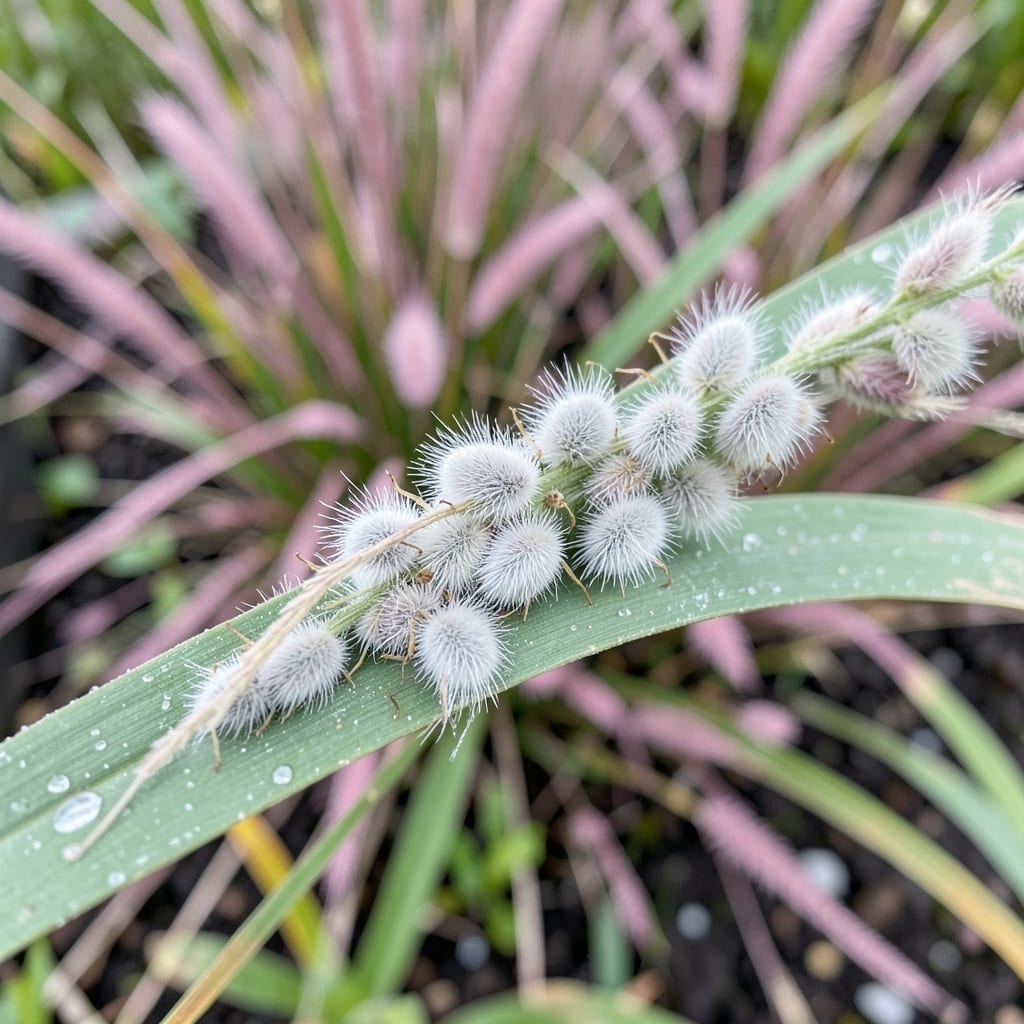
Those white, cottony clusters on your muhly grass aren’t decorative. 🌱 I first noticed mine last summer, thinking it was just dust—until the leaves started yellowing and the clumps spread overnight.
Mealybugs thrive in hidden spots, sucking sap and weakening your grass. Left unchecked, they’ll move to neighboring plants. The good news? Early action with simple supplies can stop them cold before they multiply.
You’ll spot the difference within 48 hours of treatment. Leaves perk up, new growth resumes, and that white fuzz disappears. No advanced tools required—just consistency and the right approach.
Works for potted muhly, garden beds, or landscape plantings. Here’s how to reclaim your grass before the infestation takes over.
Mealybugs thrive on Muhlenbergia (muhly grass) due to a mix of environmental and cultural factors. Understanding these triggers helps you prevent and control outbreaks effectively.
Excess moisture creates ideal conditions for mealybugs. Muhly grass in soggy soil or overwatered landscapes loses vigor, making it more susceptible. These pests thrive in humid microclimates, especially when grass roots sit in standing water. Fix: Ensure well-draining soil and water only when the top 1-2 inches are dry.
High-nitrogen fertilizers promote lush, soft growth—perfect for mealybugs, which prefer tender new shoots. Over-fertilized muhly grass lacks natural defenses, attracting sap-sucking pests. Fix: Use balanced, slow-release fertilizers and avoid overfeeding, especially in late summer.
Mealybugs prosper in warm, still air. Dense plantings or muhly grass growing near walls, fences, or other structures trap heat and humidity. These spots become pest hotspots. Fix: Improve airflow by spacing plants properly and pruning nearby vegetation.
In balanced ecosystems, ladybugs, lacewings, and parasitic wasps keep mealybug populations in check. Pesticide overuse or monoculture landscapes can wipe out these beneficial insects. Fix: Reduce chemical sprays and introduce predator-friendly plants like yarrow or dill.
Mealybugs can be stubborn, but with the right approach, you can restore your muhly grass to its vibrant, pest-free state. Here’s how to tackle each issue head-on:
If you catch mealybugs early, a hands-on approach works best. Dip a cotton swab in rubbing alcohol (70% or higher) and gently dab each bug to dissolve their protective waxy coating. For larger clusters, use a soft cloth or sponge soaked in soapy water (mild dish soap) to wipe them off. Focus on the base of the grass and leaf axils, where mealybugs love to hide.
For bigger outbreaks, mix 1 tablespoon of neem oil or insecticidal soap per quart of water and spray evenly over the grass, especially the undersides of leaves. Reapply every 5–7 days until the pests are gone. Neem oil disrupts their life cycle, while soapy sprays suffocate them. Always test a small area first to ensure no leaf burn.
If a section of your muhly grass is heavily infested, prune the affected stems and dispose of them in a sealed bag to prevent spreading. Isolate the plant from others in your garden to contain the problem. This also improves airflow, making it harder for mealybugs to thrive.
💡 Pro tip: Mealybugs hate dry conditions. Water your muhly grass in the morning so leaves dry quickly, reducing their favorite damp environments.
They appear as small, white cottony clusters often found at leaf joints or the plant base. The pests may also leave a sticky residue called honeydew on blades.
For natural sprays like neem oil, reapply every 5-7 days until the bugs disappear. Manual removal may need daily attention for severe cases.
Yes, they easily move to nearby plants, especially in warm, humid conditions. Isolate affected muhly grass immediately to prevent further spread.
Removing heavily infested stems improves airflow and eliminates breeding grounds. Dispose of clippings in sealed bags.