
Beautiful Plants For Your Interior
Beautiful Plants For Your Interior
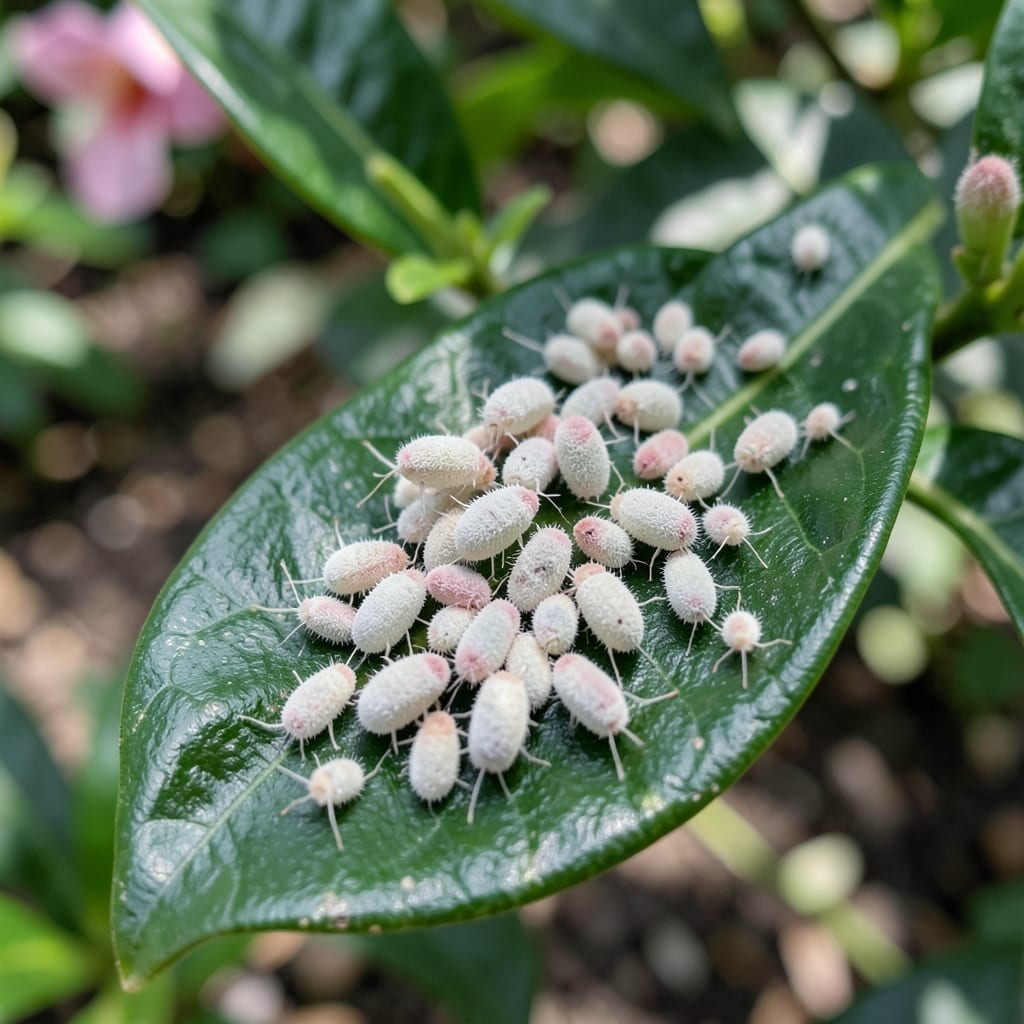
White cottony clusters on your mandevilla mean trouble. I spotted my first mealybug infestation last summer and nearly lost my favorite vine to it.
The pests hide in leaf axils and stem joints, slowly draining plant vigor. They spread fast but respond well to early treatment. I’ve tested natural methods that work without harsh chemicals.
Regular inspections and quick action restore plant health. Your mandevilla will reward you with vibrant blooms and lush growth once the pests are gone.
Prevention is simpler than cure, and I’ll show you how to keep them from coming back for good.
Mealybugs thrive on Mandevilla plants due to several environmental and cultural factors. Understanding these causes helps prevent future outbreaks.
Excess moisture creates ideal conditions for mealybugs, as they prefer humid, damp environments. Overwatered Mandevilla plants with soggy soil or poor drainage weaken the plant’s defenses, making it more susceptible to infestations. Ensure pots have drainage holes and water only when the top inch of soil is dry.
Stagnant air traps humidity around the plant, encouraging mealybug proliferation. Dense foliage or crowded plant placements reduce airflow, fostering pest growth. Prune regularly and space plants apart to improve ventilation.
Mealybugs reproduce rapidly in warm climates (70–80°F). Mandevilla, a tropical plant, often grows in such conditions, making it a prime target. Monitor plants closely during summer months or when indoors near heat sources.
Over-fertilizing with nitrogen-rich products promotes soft, succulent growth—mealybugs’ favorite food. Use balanced fertilizers and avoid excessive applications to maintain plant resilience.
Mealybugs hitchhike on new plants or gardening tools. Quarantine new additions for 2–3 weeks and inspect them thoroughly before placing near healthy Mandevilla.
Mealybugs can be stubborn, but these targeted solutions will help you reclaim your mandevilla’s health. Address the issue based on its severity, and always prioritize prevention to keep pests from returning.
For a few visible mealybugs, start with a gentle approach. Dip a cotton swab in 70% isopropyl alcohol and dab it directly on the pests. The alcohol dissolves their protective coating, killing them on contact. Repeat every 2–3 days until you no longer spot new bugs. Pro tip: 💡 Check under leaves and along stems—these are favorite hiding spots!
If the problem has spread, mix a homemade solution to cover larger areas. Combine 1 tablespoon of dish soap and 1 tablespoon of neem oil in a quart of water. Spray the entire plant, focusing on clusters of white, cottony masses. Reapply every 5–7 days for 2–3 weeks to break the mealybug lifecycle. Neem oil also acts as a preventative, so continue treatments monthly during growing season.
When mealybugs overwhelm your mandevilla, use a systemic insecticide labeled for ornamental plants. These products are absorbed by the plant, killing pests from within. Follow the label instructions carefully, and avoid using during bloom if bees frequent your garden. For organic gardeners, insecticidal soap (ready-to-use) can be a safer alternative—just ensure full coverage.
Consistency is key—early action and regular checks will keep your mandevilla thriving and mealybug-free! ✨
They appear as white, cottony clusters, often hidden in leaf axils or along stems. These pests resemble tiny cotton balls and can spread quickly if left unchecked.
Check your mandevilla weekly for early signs. Focus on new growth and undersides of leaves where pests like to hide. Early detection makes treatment much easier.
Yes, a mild solution of 1 tablespoon dish soap in 1 quart of water works for light infestations. Spray thoroughly and repeat every 5-7 days until pests are gone.