
Beautiful Plants For Your Interior
Beautiful Plants For Your Interior
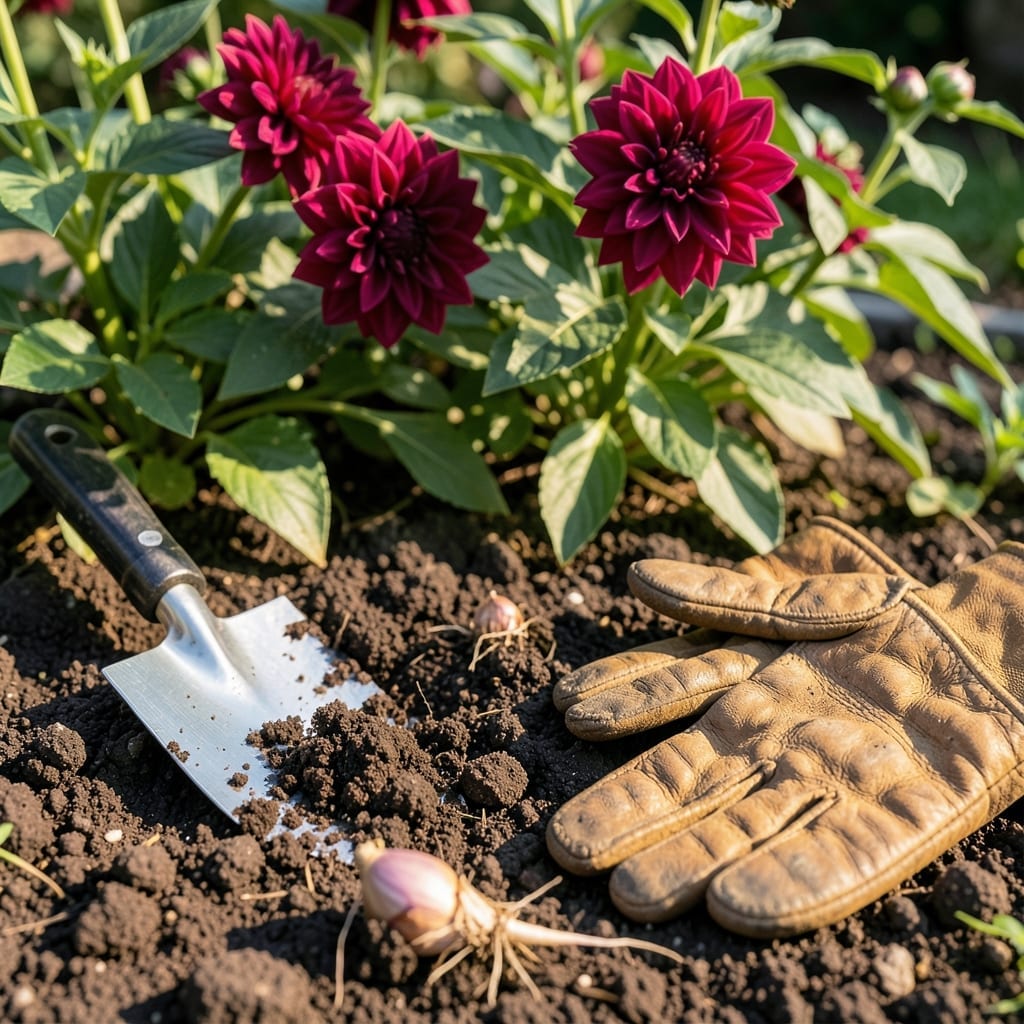
Timing is everything when it comes to planting Summer Bulbs 🌷 in Zone 7—plant too early and frost may ruin them, too late and you’ll miss the peak blooming season.
Discover the perfect window to ensure your garden bursts with color all summer long. The difference between a lackluster display and a vibrant, eye-catching one often comes down to just a few weeks.
I’ve learned through experience that getting the timing right is the key to success with these beauties. Whether you’re a seasoned gardener or just starting out, this timing can make all the difference.
Let me walk you through exactly when to get those bulbs in the ground for optimal results. Your future self will thank you when you’re admiring those gorgeous blooms.
In Zone 7, timing your summer bulb planting is all about balancing frost risk and soil warmth. I’ve found that waiting until after the last frost date (around April 15th) is crucial for tender bulbs.
Soil temperature should be at least 60°F for most summer bulbs to thrive. Planting too early in cold soil can lead to rot, while waiting too long shortens the blooming season. 🌱
| Bulb Type | Ideal Planting Months | Soil Temp Requirement |
|---|---|---|
| Dahlias | April – May | 60°F+ |
| Cannas | April – May | 65°F+ |
| Gladiolus | March – May | 55°F+ |
| Elephant Ears | May | 70°F+ |
For early bloomers like gladiolus, I start planting in late March if the soil is workable. But for heat-loving varieties like elephant ears, I wait until May when the soil is warmer.
Remember that Zone 7 has a long growing season, so you have flexibility. However, planting in April gives most bulbs enough time to establish before summer heat arrives. 🌿
If you’re eager to get a head start, you can begin dahlias and cannas indoors in pots about 4-6 weeks before the last frost. This gives them a jump on the growing season.
Soil preparation is just as important as timing. I always amend my beds with compost before planting to ensure good drainage, which is critical for bulb health.
For successional blooms, I plant a new batch of gladiolus every 2 weeks through May. This staggering technique keeps my garden in color all summer long.
Don’t forget to harden off any bulbs you’ve started indoors. A week of gradual outdoor exposure before planting helps prevent transplant shock. 🪴
Finally, mark your calendar for fall digging if you’re growing non-hardy bulbs. In Zone 7, I lift my dahlias and cannas after the first frost, usually in November.
Zone 7 gardeners have a fantastic selection of summer bulbs that thrive in our climate. Each variety has its own ideal planting window to ensure the best blooms and healthiest growth.
From bold dahlias to tropical elephant ears, knowing the specific needs of each bulb type helps you plan a garden that bursts with color from early summer to fall. 🌷
I always start my dahlias and cannas indoors in pots about 4-6 weeks before the last frost. This early start gives them a head start on the growing season, resulting in earlier blooms.
For gladiolus, I practice succession planting every two weeks through May. This simple technique ensures I have fresh blooms continuously, rather than all at once. It’s a game-changer for extended color. 🌿
Remember that elephant ears need the warmest soil, so I always wait until May. Their dramatic foliage adds a tropical feel to my garden, and they grow quickly once the soil warms up.
No matter which bulbs you choose, proper spacing is crucial. Overcrowding leads to poor air circulation, which can encourage disease. I always measure twice to ensure each bulb has enough room to thrive.
Finally,