
Beautiful Plants For Your Interior
Beautiful Plants For Your Interior
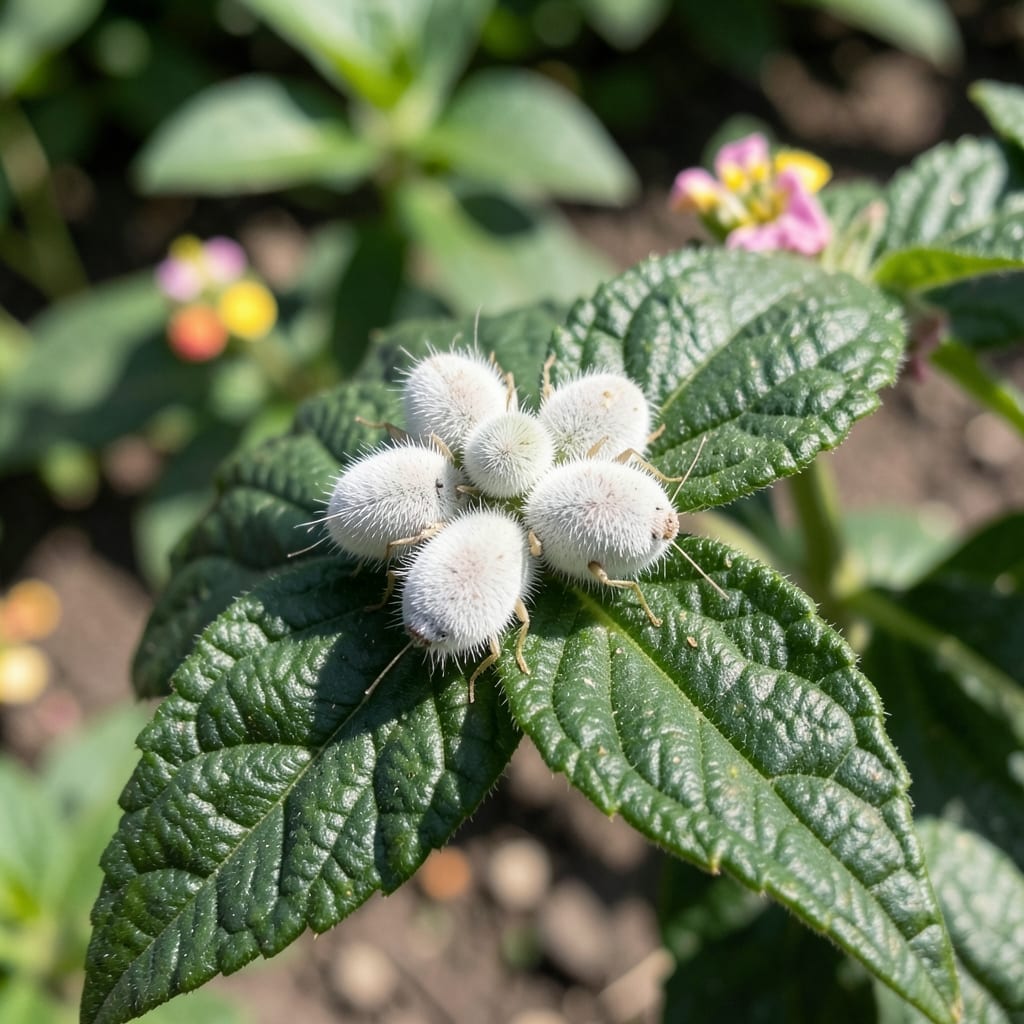
White cottony clusters on your lantana mean mealybugs have moved in. I spotted my first infestation last summer and panicked—until I learned these pests are beatable without harsh chemicals.
The key is catching them early. A quick wipe with alcohol-soaked cotton swabs removes visible bugs, while neem oil spray prevents their return. Weekly inspections keep new outbreaks from spreading.
Healthy plants resist pests better. Lantana thrives with full sun and well-draining soil, making it naturally less appealing to mealybugs when properly cared for.
This method works for potted or in-ground lantana. Consistency matters more than complexity here—simple steps yield the best results.
Mealybugs thrive on lantana plants due to a few key environmental and cultural factors. Understanding these causes helps you prevent and manage outbreaks effectively.
Mealybugs prosper in warm, humid climates, which are ideal for their rapid reproduction. Lantana, often grown in sunny, tropical, or subtropical regions, provides the perfect habitat. High humidity (above 60%) and temperatures between 70–90°F (21–32°C) accelerate their life cycle, leading to larger infestations faster.
Lantana plants that are overcrowded or stressed from poor soil conditions, drought, or improper pruning become more susceptible. Stress weakens the plant’s natural defenses, making it easier for mealybugs to establish themselves. Ensure proper spacing (18–24 inches apart) and maintain healthy growing conditions to reduce vulnerability.
Over-fertilizing with high-nitrogen products promotes lush, soft foliage that mealybugs love. These pests are drawn to the tender new growth stimulated by nitrogen. Balance fertilization with phosphorus and potassium to strengthen plant cell walls and deter infestations.
In gardens where beneficial insects like ladybugs, lacewings, or parasitic wasps are absent, mealybug populations can explode unchecked. Avoid broad-spectrum pesticides that kill these natural predators, and instead, encourage biodiversity to keep mealybug numbers in control.
Tackling mealybugs on your lantana doesn’t have to be a battle. Start with manual removal for small infestations. Dip a cotton swab in rubbing alcohol (70% isopropyl) and gently dab each bug. This dissolves their protective waxy coating, killing them on contact. For larger outbreaks, mix 1 tablespoon of insecticidal soap per quart of water and spray the plant thoroughly, focusing on leaf undersides and stems where mealybugs hide. 💡 Pro tip: Test the soap on a small area first to avoid leaf burn.
Introduce beneficial insects like ladybugs, lacewings, or parasitic wasps, which feast on mealybugs. Purchase them from garden centers and release them at dusk for the best results. Avoid chemical pesticides, as these can harm your new allies.
For stubborn cases, apply neem oil weekly. Mix 2 tablespoons of neem oil with 1 gallon of water and a teaspoon of dish soap to help it stick. Spray in the early morning or late evening to prevent leaf scorching. Consistency is key—repeat until the pests are gone.
With these steps, your lantana will bounce back—vibrant, healthy, and mealybug-free! ✨
They appear as small, white, cottony clusters on leaves and stems. Check leaf undersides and stem joints, where they often hide. Their waxy coating helps them blend in with the plant’s natural texture.
Mealybugs return due to eggs hidden in plant crevices or untreated areas. Repeat treatments every 7-10 days to break their life cycle. Also, inspect nearby plants, as they can spread easily.
Yes, but it must be mild, non-detergent soap. Mix 1 teaspoon per quart of water and spray directly on pests. Avoid harsh soaps, which can damage lantana leaves.
Remove heavily infested leaves or stems immediately. Dispose of clippings in sealed bags to prevent spreading. Always sterilize pruning tools with alcohol after use.