
Beautiful Plants For Your Interior
Beautiful Plants For Your Interior
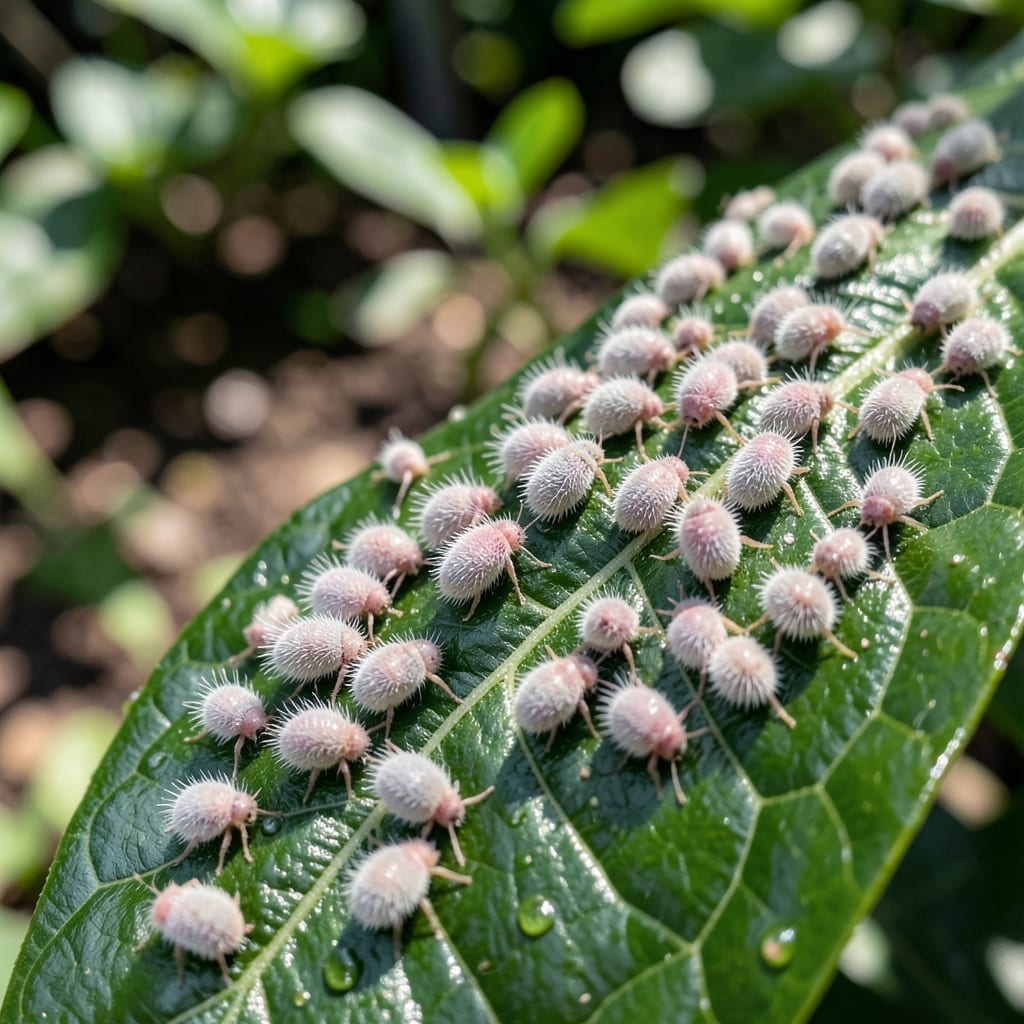
White cottony spots on your jatropha mean mealybugs have moved in. I’ve lost count of how many plants I’ve saved by catching these pests early—before they spread to every leaf and stem.
These bugs thrive in dry conditions, hiding in leaf joints and under stems. Left untreated, they’ll stunt growth and weaken your plant. The good news? They’re slow movers, so you’ve got time to act.
With the right approach, your jatropha will bounce back with lush, healthy foliage. Organic sprays and manual removal work surprisingly well, and prevention keeps them from coming back.
Works for indoor and outdoor plants. Here’s how to tackle them head-on.
Mealybugs thrive on Jatropha plants due to several environmental and cultural factors. Understanding these triggers helps prevent outbreaks before they start.
Dense plantings or cramped growing spaces restrict airflow, creating a humid microclimate that mealybugs love. Jatropha grown in tight clusters or under low-light conditions (e.g., indoor settings) are especially vulnerable. Prune regularly to improve ventilation and reduce hiding spots for pests.
Mealybugs are drawn to succulent, soft growth—often a result of overwatering or high humidity. Jatropha prefers well-draining soil; soggy roots stress the plant and weaken its natural defenses. Water only when the top inch of soil is dry, and avoid overhead irrigation to discourage pest settlement.
In balanced ecosystems, beneficial insects like ladybugs, lacewings, or parasitic wasps keep mealybug populations in check. However, monoculture setups or heavy pesticide use can eliminate these allies. Introduce natural predators or plant companion species (e.g., marigolds) to restore ecological balance.
Underfertilized, drought-stressed, or diseased Jatropha plants emit chemical signals that attract mealybugs. Ensure your plants receive adequate nutrition (balanced NPK fertilizer) and are free from root rot or leaf spot diseases. Healthy plants resist infestations better and recover faster.
Dealing with mealybugs on your jatropha plants? Here’s how to tackle the problem head-on with practical, easy-to-follow solutions for every stage of infestation.
If you spot a few mealybugs early, act fast! Use a cotton swab dipped in rubbing alcohol (70% isopropyl) to gently dab and remove the pests. Focus on leaf axils, stems, and undersides where they love to hide. Repeat every few days to catch new hatchlings.
For larger clusters, mix 1 tablespoon of insecticidal soap or neem oil with a liter of water. Spray thoroughly, covering all plant surfaces—especially hidden nooks. Reapply weekly until the bugs are gone. Pro tip 💡: Test the spray on a small area first to avoid leaf burn.
When mealybugs overwhelm your jatropha, use a systemic insecticide (like imidacloprid) as a last resort. Follow label instructions carefully, and avoid using it during flowering if pollinators are active.
Consistency is key—stay vigilant, and your jatropha will thrive! 🌿
Look for white cottony clusters in leaf joints and stem crevices. You might also notice sticky residue or black sooty mold from their secretions.
Yes, but dilute 1 teaspoon of mild dish soap in 1 liter of water. Avoid degreasers as they can harm the plant. Test on a small area first.
Mealybugs move slowly but can hitch rides on tools or wind. Isolate infested plants immediately and inspect neighbors weekly.
Apply every 7-10 days for active infestations. For prevention, monthly treatments work well. Always spray in the evening to avoid leaf burn.