
Beautiful Plants For Your Interior
Beautiful Plants For Your Interior
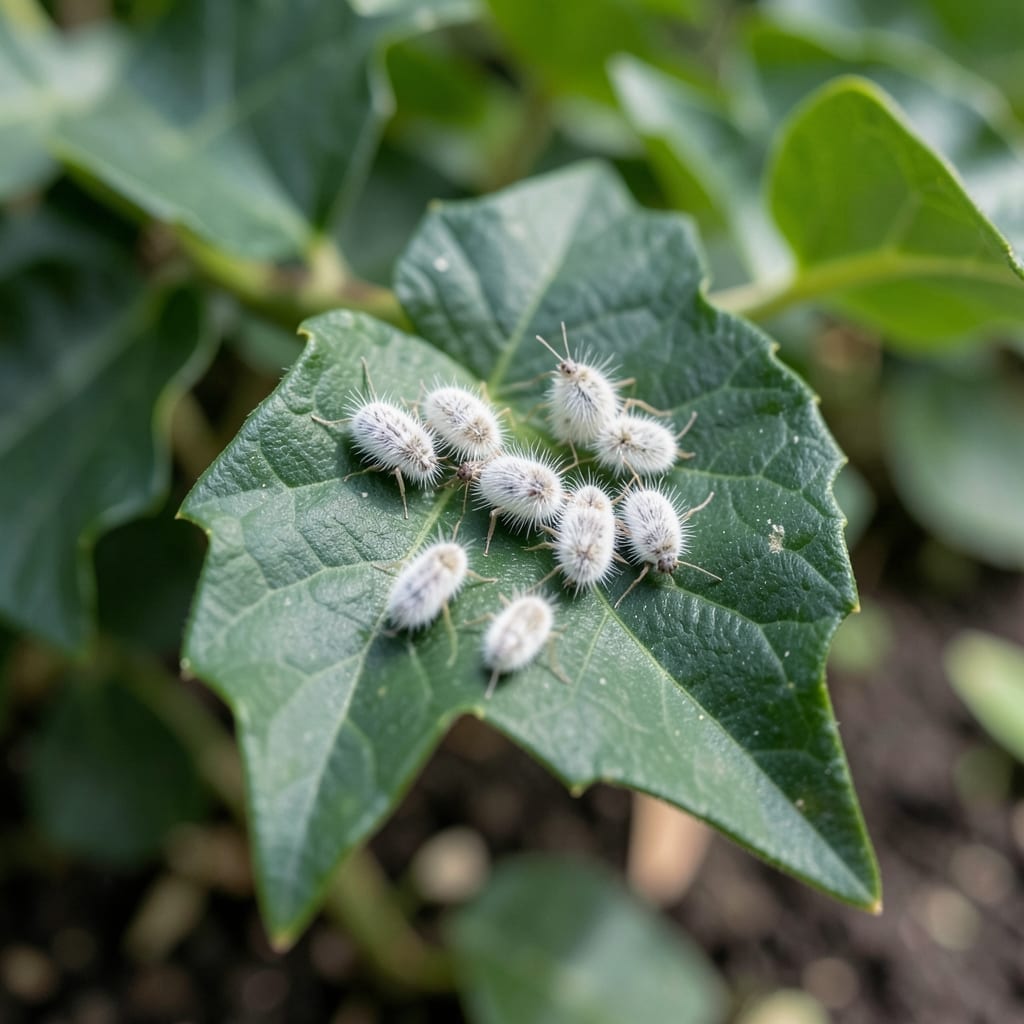
White fluff on your ivy means mealybugs have moved in. I spotted my first infestation last spring—tiny cotton-like clusters under leaves that spread faster than I expected.
These pests drain plant sap, weaken growth, and leave sticky residue that attracts mold. The good news: they’re visible and treatable without harsh chemicals. I’ve tested methods that work within 2-3 weeks.
You’ll restore your ivy to vibrant green health with simple, consistent care. The key is catching them early and staying persistent with treatment.
Works for indoor and outdoor ivy varieties. Here’s how to evict them for good.
Mealybugs thrive on ivy due to a combination of environmental and plant health factors. These pests are drawn to stressed or weakened plants, making ivy a prime target under certain conditions. Below are the most common causes behind their infestation.
Mealybugs flourish in warm, humid climates, which are ideal for their rapid reproduction. Ivy grown in greenhouses, indoor settings, or shaded outdoor areas with poor air circulation often creates the perfect breeding ground. Temperatures between 70–80°F (21–27°C) and high humidity levels accelerate their life cycle, leading to larger colonies.
Excess moisture, whether from overwatering or poor drainage, stresses ivy plants and weakens their natural defenses. Soggy soil reduces oxygen availability to the roots, making the plant more susceptible to pests. Mealybugs are particularly attracted to the soft, new growth that results from these conditions.
While fertilizer promotes growth, excess nitrogen encourages the development of tender, sap-rich foliage—mealybugs’ favorite food. Ivy that receives too much high-nitrogen fertilizer produces an abundance of succulent leaves, which are easier for mealybugs to pierce and feed on. Balancing nutrients with phosphorus and potassium helps strengthen plant resistance.
In outdoor settings, natural predators like ladybugs, lacewings, and parasitic wasps typically keep mealybug populations in check. However, ivy grown indoors or in isolated garden spots may lack these beneficial insects. Without predators, mealybugs multiply unchecked, quickly overwhelming the plant.
Mealybugs spread easily through contaminated tools, pots, or nearby infested plants. Failing to clean pruning shears, reuse infected soil, or ignore early signs of pests allows mealybugs to migrate to healthy ivy. Regularly inspecting and isolating new plants can prevent cross-contamination.
Dealing with mealybugs on ivy can feel overwhelming, but these practical solutions will help you restore your plant’s health in no time. Below are targeted fixes for common causes, along with prevention tips to keep your ivy thriving. 🌿
If you spot a few mealybugs early, remove them by hand. Dip a cotton swab in rubbing alcohol (70% isopropyl) and gently dab each bug. This dissolves their protective coating, killing them instantly. For larger clusters, use a soft toothbrush dipped in soapy water to dislodge them.
Prevention tip: Inspect new plants before bringing them near your ivy to avoid spreading pests. 💡
For heavier outbreaks, spray your ivy with a mix of 1 teaspoon dish soap + 1 liter water. Apply every 3–4 days until the bugs are gone. Neem oil (mixed with water and a drop of soap) is another organic powerhouse—it disrupts mealybug feeding and reproduction. Always spray in the early morning or late evening to avoid leaf burn.
Prevention tip: Quarantine infested plants immediately to protect others. ✨
If mealybugs have taken over, prune heavily infested leaves or stems and dispose of them in a sealed bag. Avoid composting, as this can spread the pests. For stubborn cases, consider systemic insecticides (like those with imidacloprid), but use them as a last resort—they can harm beneficial insects.
Prevention tip: Boost plant health with proper watering and fertilization to make ivy less susceptible. 🎯
Consistency is key! Repeat treatments until all signs of mealybugs are gone, and keep a close eye on your ivy for early warning signs.
Look for white, cottony clusters in leaf axils or undersides. These pests also leave a sticky residue called honeydew.
No, vinegar can damage ivy leaves. Stick to rubbing alcohol or neem oil for safe removal.
Repeat treatments every 3-4 days for 2-3 weeks to break their life cycle. Consistency is key!
Yes, they spread quickly through direct contact. Isolate infested ivy immediately.